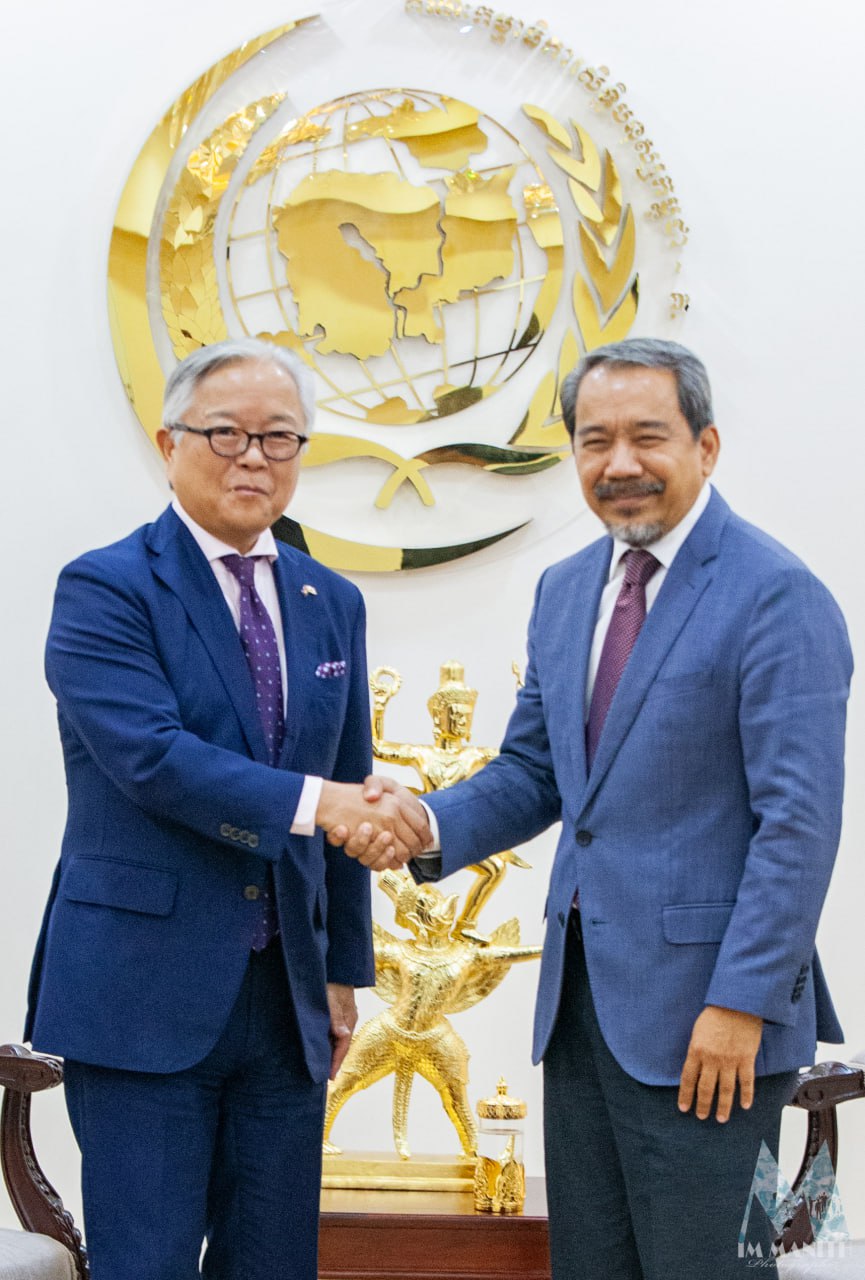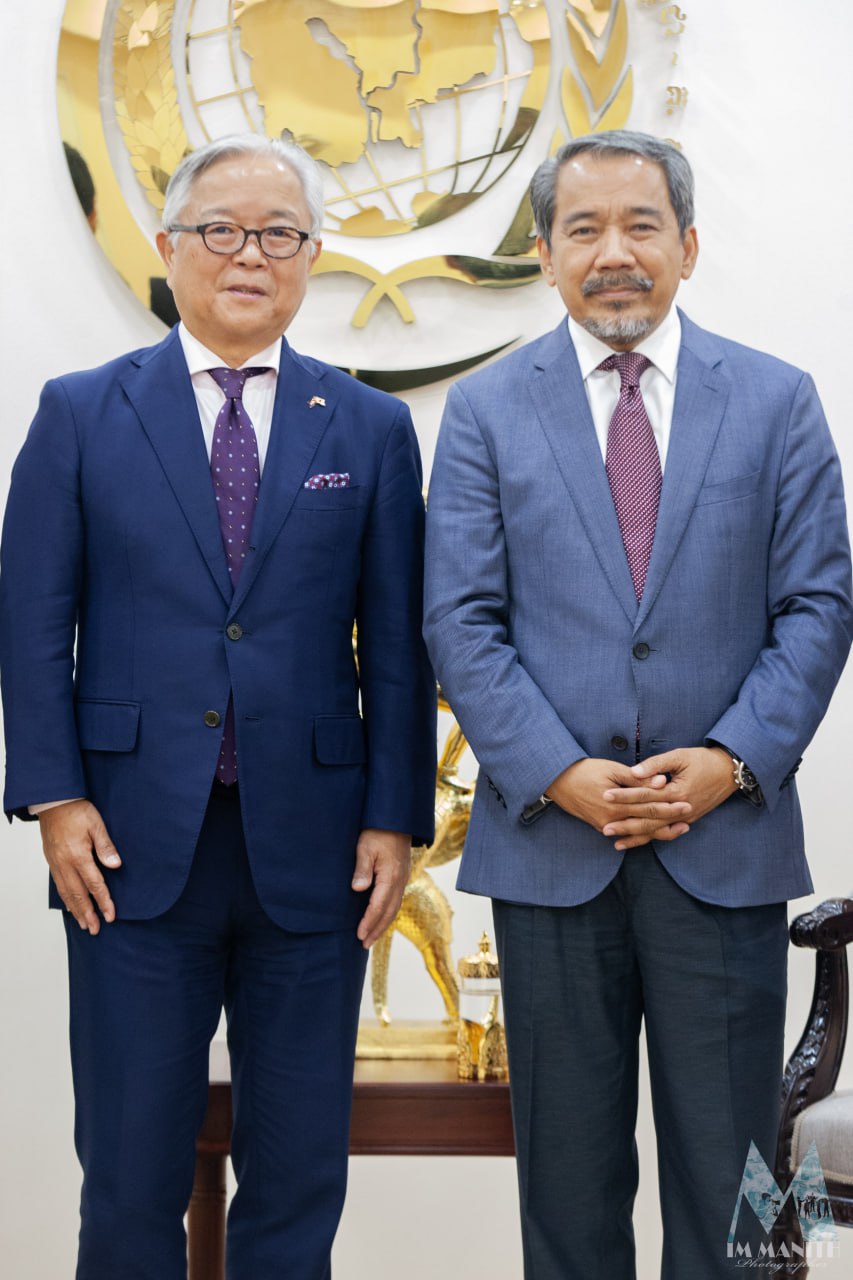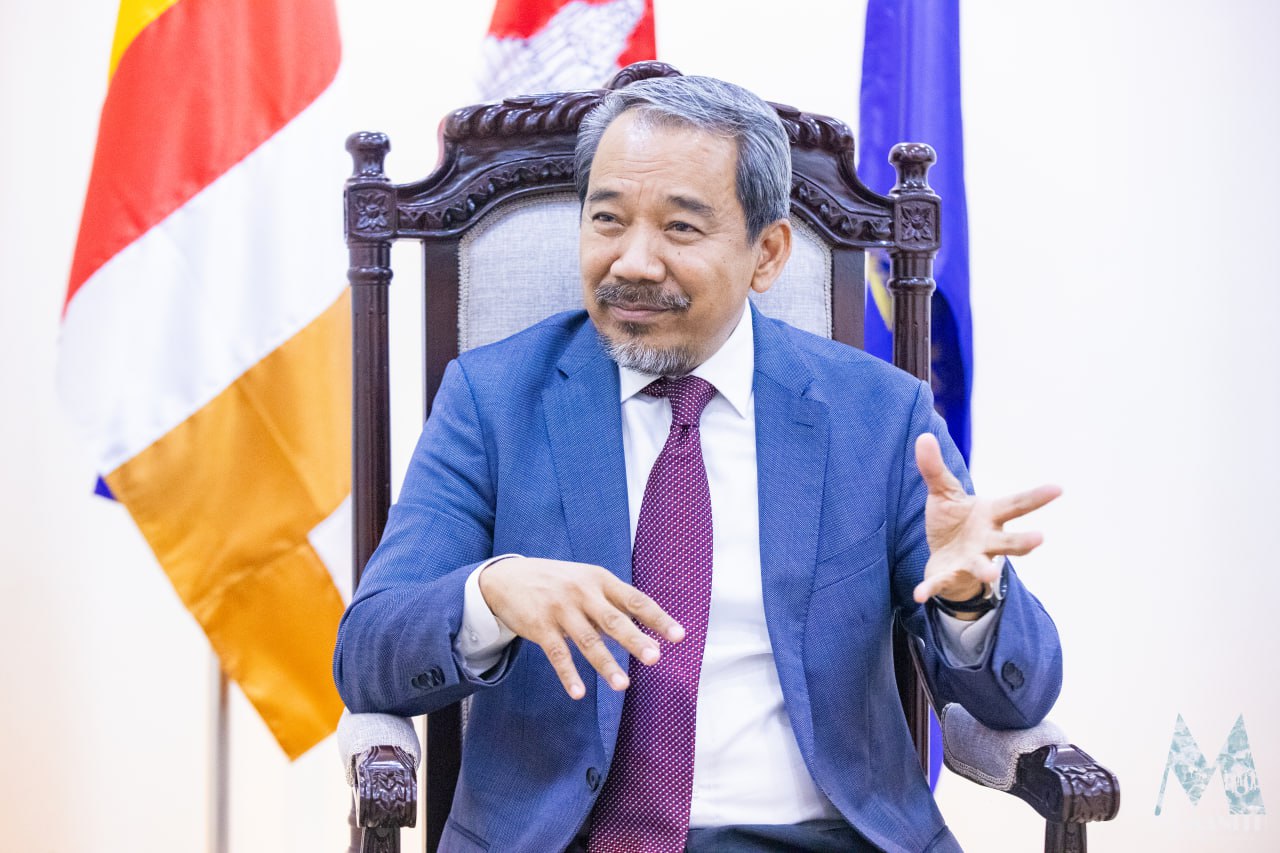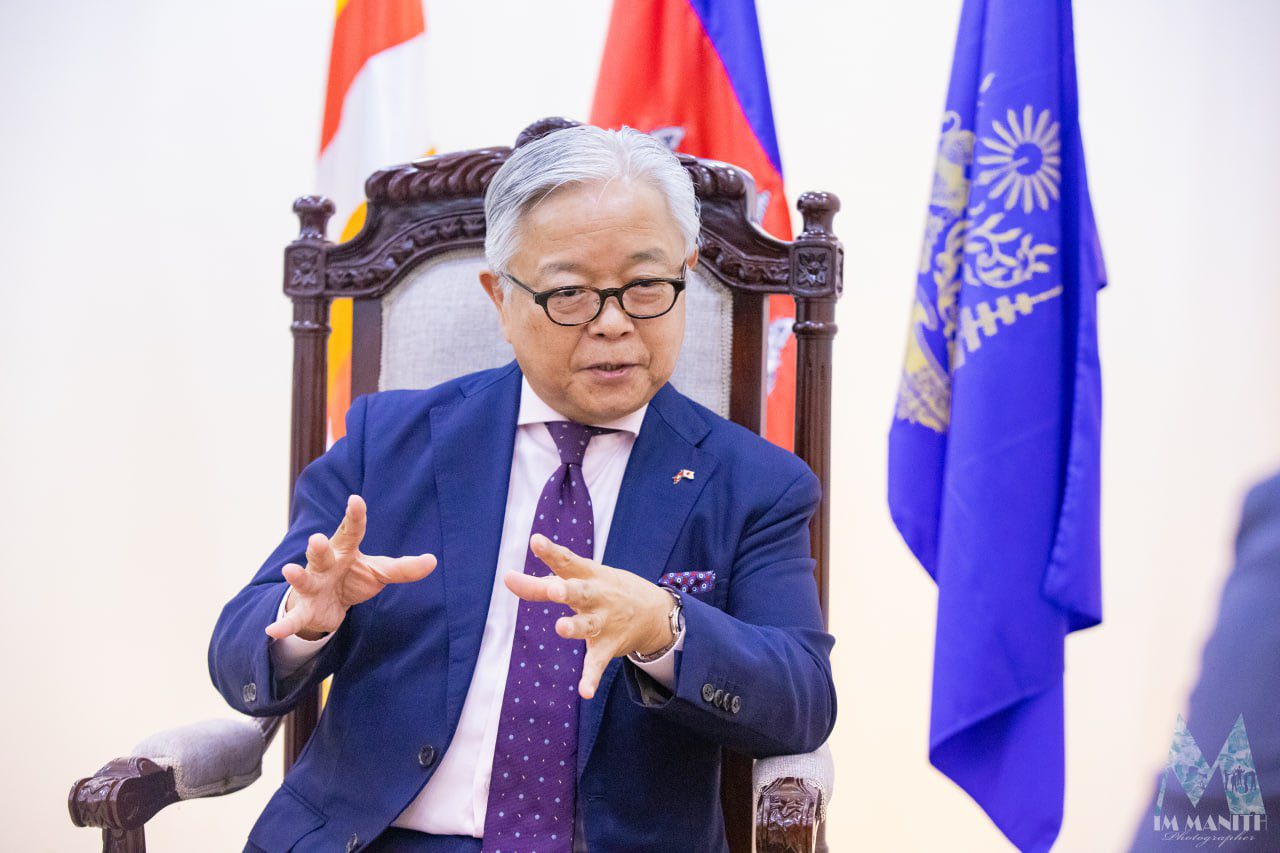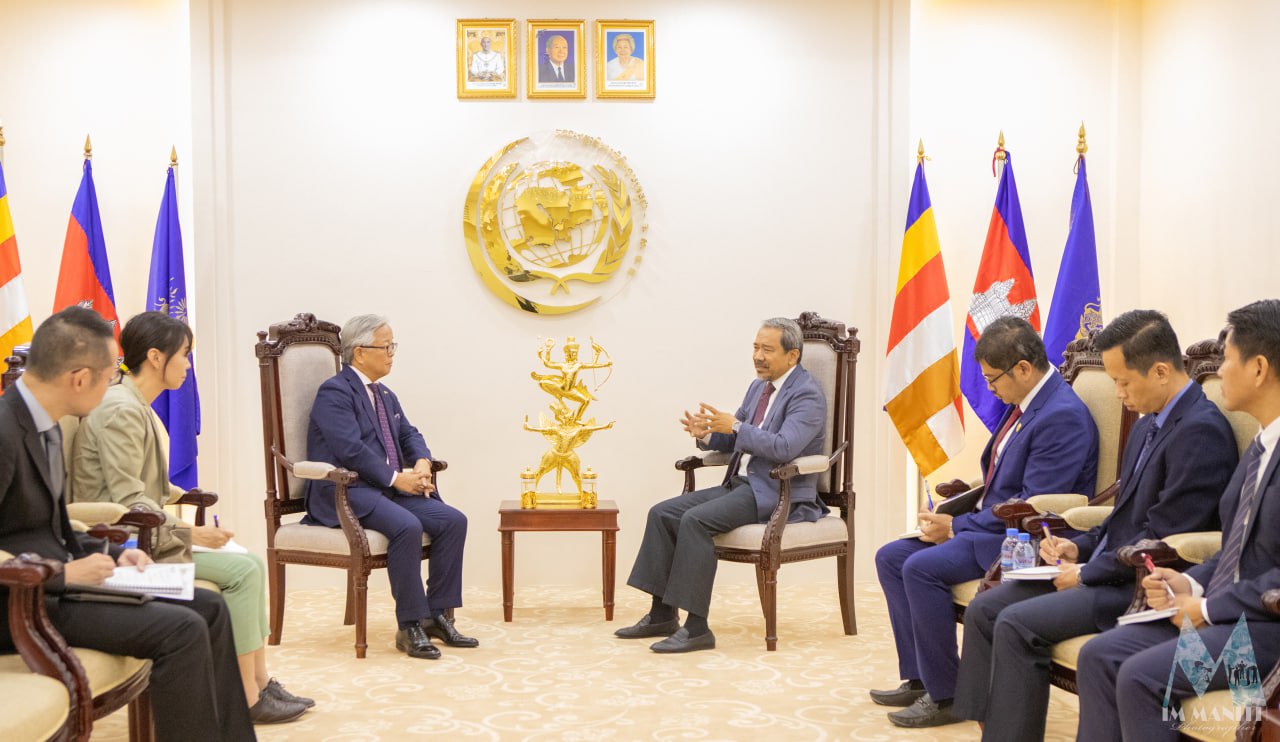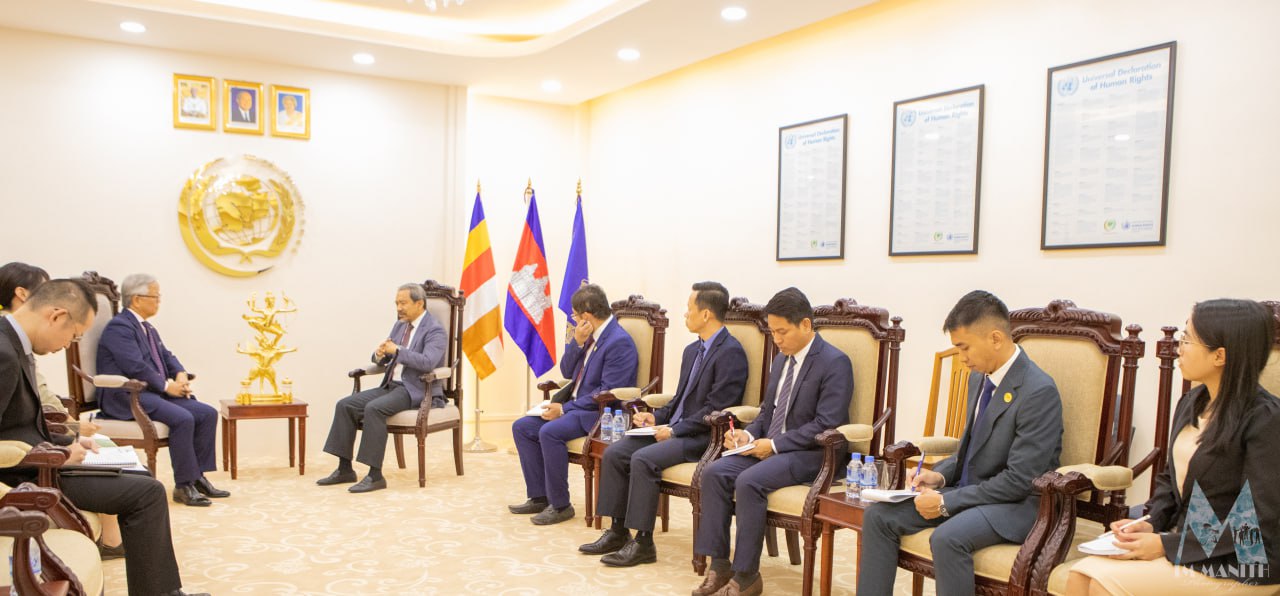
HE Keo Remy, Senior Minister, held a meeting with HE Ueno Atsushi, Ambassador Extraordinary and Plenipotentiary of Japan to the Kingdom of Cambodia, to discuss work matters.
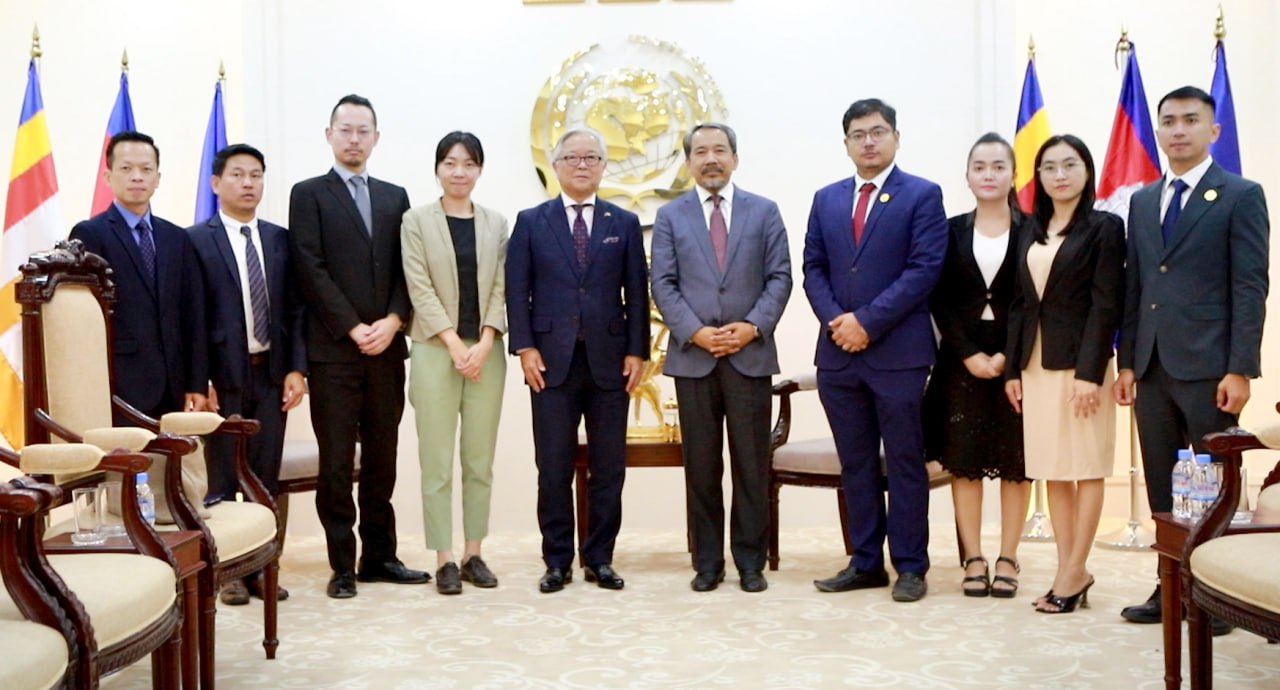 HE Keo Remy, Senior Minister, held a meeting with HE Ueno Atsushi, Ambassador Extraordinary and Plenipotentiary of Japan to the Kingdom of Cambodia, to discuss work matters.
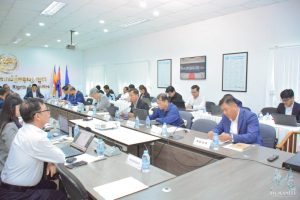
Phnom Penh: On the afternoon of 9 February 2026, HE Keo Remy, Senior Minister, President of the Cambodian Human Rights Committee (CHRC), met with HE Ueno Atsushi, Ambassador Extraordinary and Plenipotentiary of Japan to the Kingdom of Cambodia, at the CHRC meeting hall, to discuss work matters.
On the occasion, HE Keo Remy, Senior Minister, voiced his gratitude for Japan’s vital role in human rights, the rule of law, and both regional and global stability. He pointed out that, even after the 27 December 2025, ceasefire agreement, around 90,000 refugees remain unable to return home safely due to the Thai military’s ongoing illegal occupation of Cambodian land and other disruptive tactics, like installing barbed wire and containers. These moves blatantly violate Article 4 of the agreement, which requires: “Both sides agree to allow civilians residing in the affected border areas to return at the earliest, without obstruction and in safety and dignity, to their homes and normal livelihoods in areas within their own side.” Such actions severely undermine refugees’ fundamental rights—particularly for women, children, infants, the elderly, the sick, and those with disabilities—by restricting access to education, healthcare, adequate housing, and freedom of movement.
In addition, HE Keo Remy, Senior Minister, cited the Thai military’s aggression, which involved deploying every kind of weapon—including cluster bombs, poison gas, and F-16, Gripen, and T-50 fighter jets—to indiscriminately target civilians. This has led to the destruction of homes, infrastructure, monasteries, schools, hospitals, and ancient temples—particularly Preah Vihear Temple, a World Heritage Site—along with religious statues, theft of property, and the building of new structures intended to impose a false identity on Cambodian sovereign land.
Furthermore, HE Keo Remy, Senior Minister, affirmed that, even amid the weakening global order, resolving disputes, securing justice, and attaining enduring peace must rely on established international mechanisms and laws. He expressed confidence in Japan’s capacity and key role to urge Thailand toward resolution through these active legal frameworks and norms.
In response, HE Ueno Atsushi will inform the Tokyo government about the Cambodia-Thailand border situation. He added that Japan has delivered humanitarian aid to conflict-affected refugees along the border, helping the Royal Government of Cambodia share their hardships—especially since Japan has consistently supported and cooperated with these refugees.
The meeting unfolded in a cordial atmosphere of mutual understanding and yielded proud, meaningful outcomes.