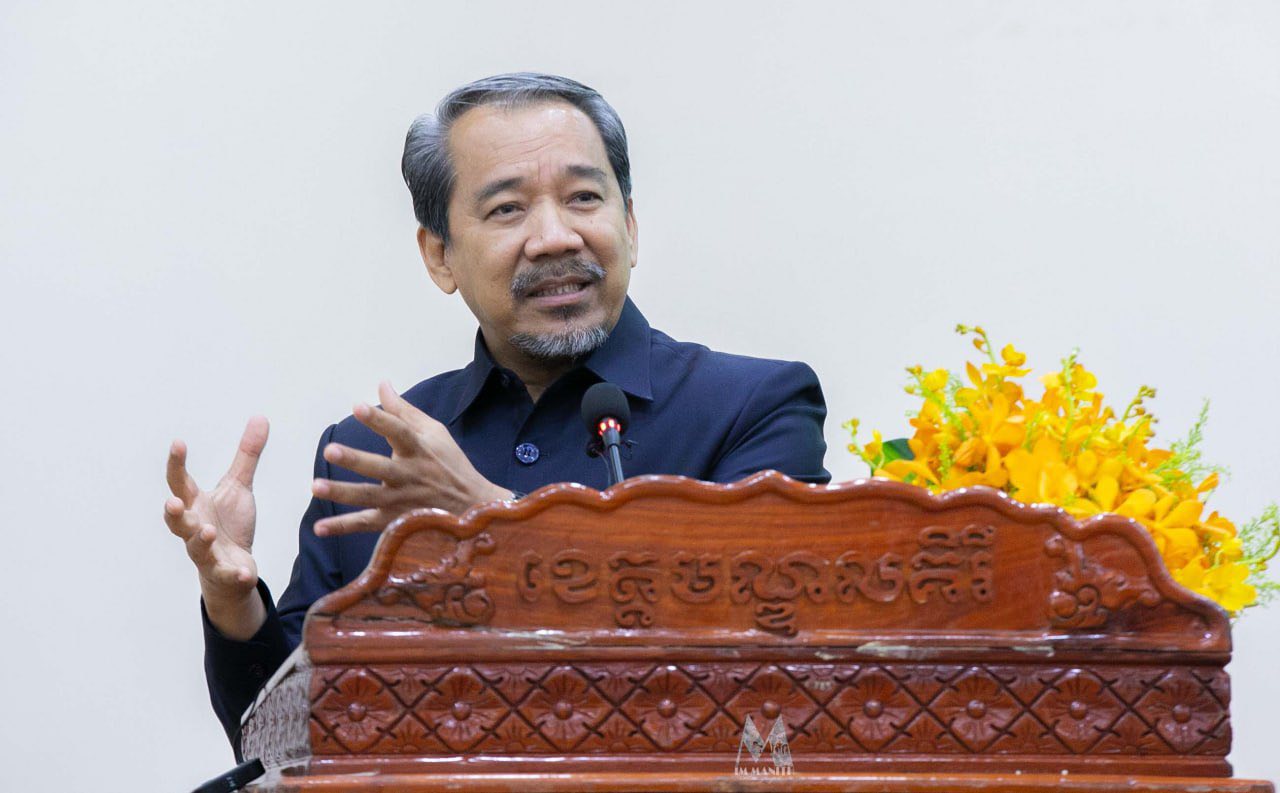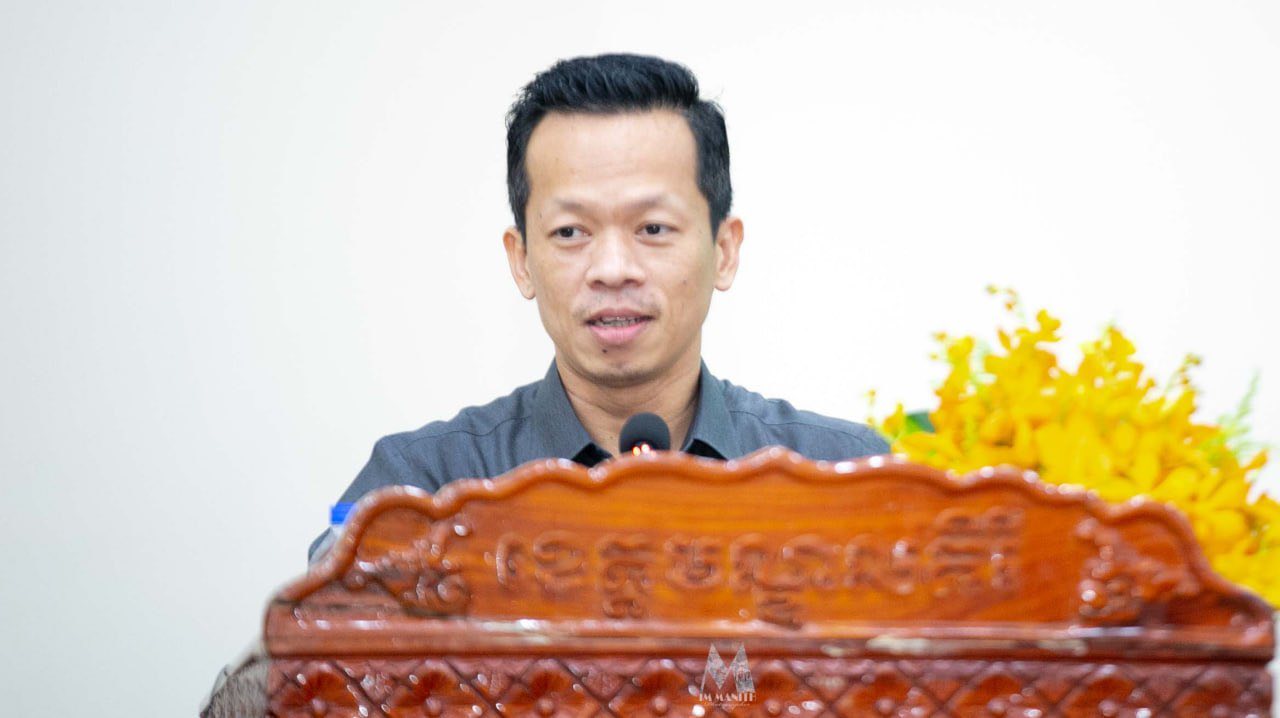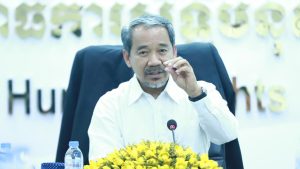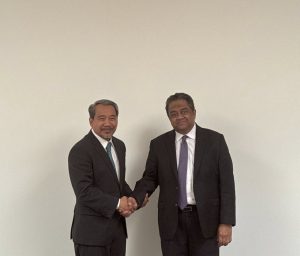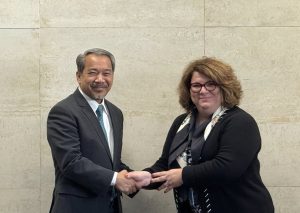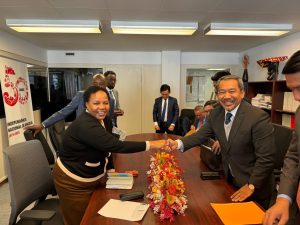
HE Keo Remy, Senior Minister, [states] Cambodia has always upheld and steadfastly applied every international human rights standard, along with the eradication of all forms of discrimination.
![HE Keo Remy, Senior Minister, [states] Cambodia has always upheld and steadfastly applied every international human rights standard, along with the eradication of all forms of discrimination.](https://chrc.gov.kh/wp-content/uploads/2026/03/653714886_1243427361337078_670027009907298301_n.jpg) HE Keo Remy, Senior Minister, [states] Cambodia has always upheld and steadfastly applied every international human rights standard, along with the eradication of all forms of discrimination.
HE Keo Remy, Senior Minister, [states] Cambodia has always upheld and steadfastly applied every international human rights standard, along with the eradication of all forms of discrimination.
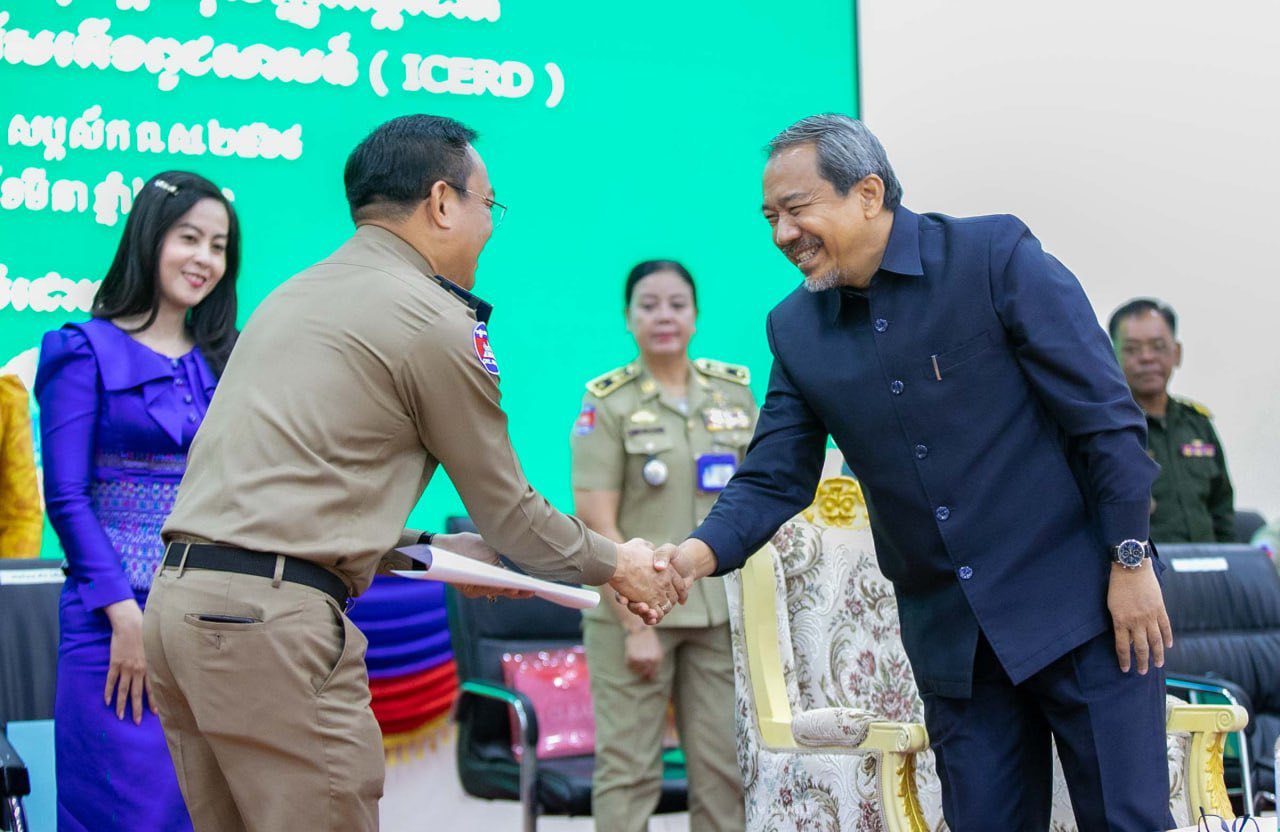
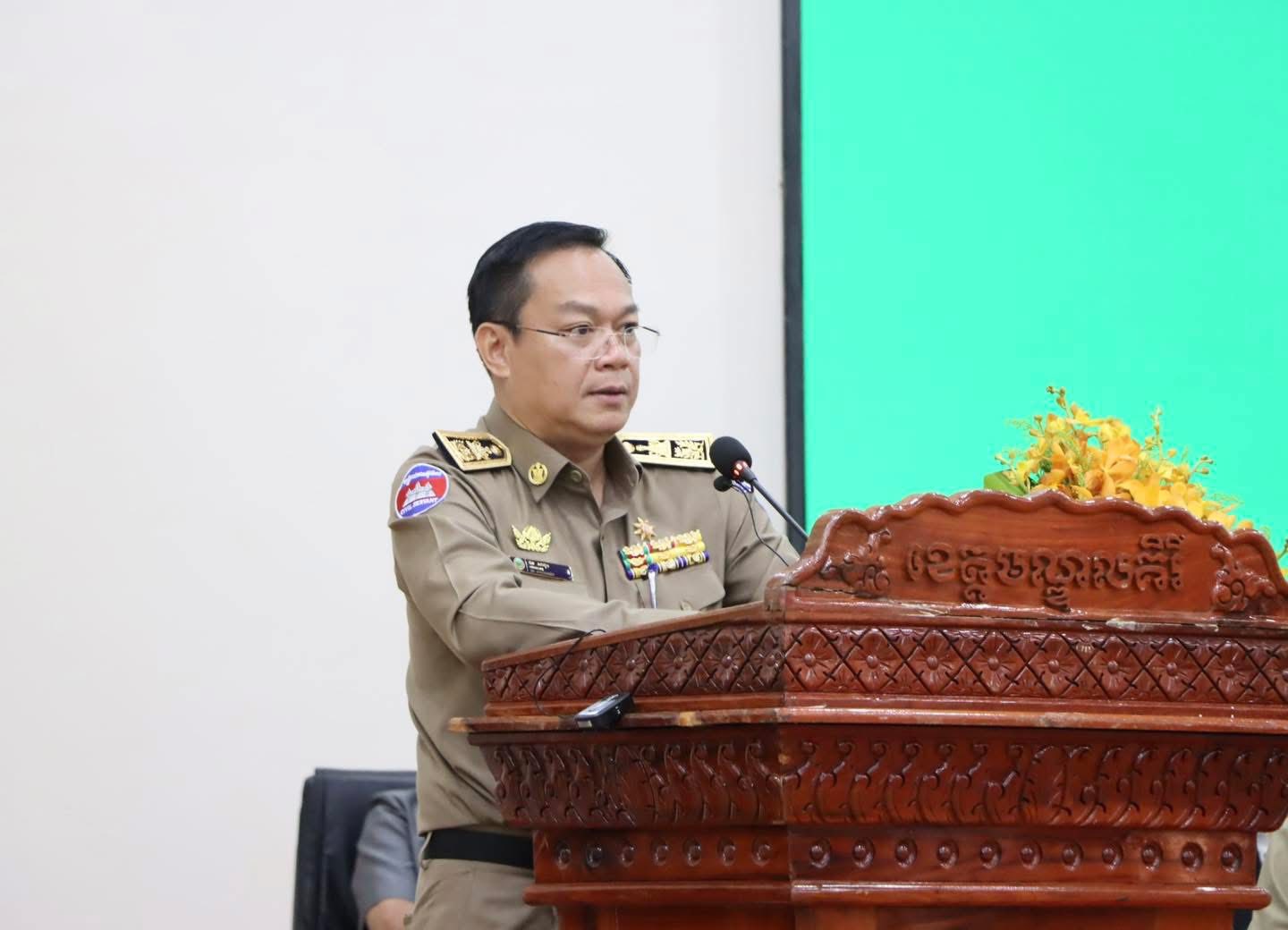
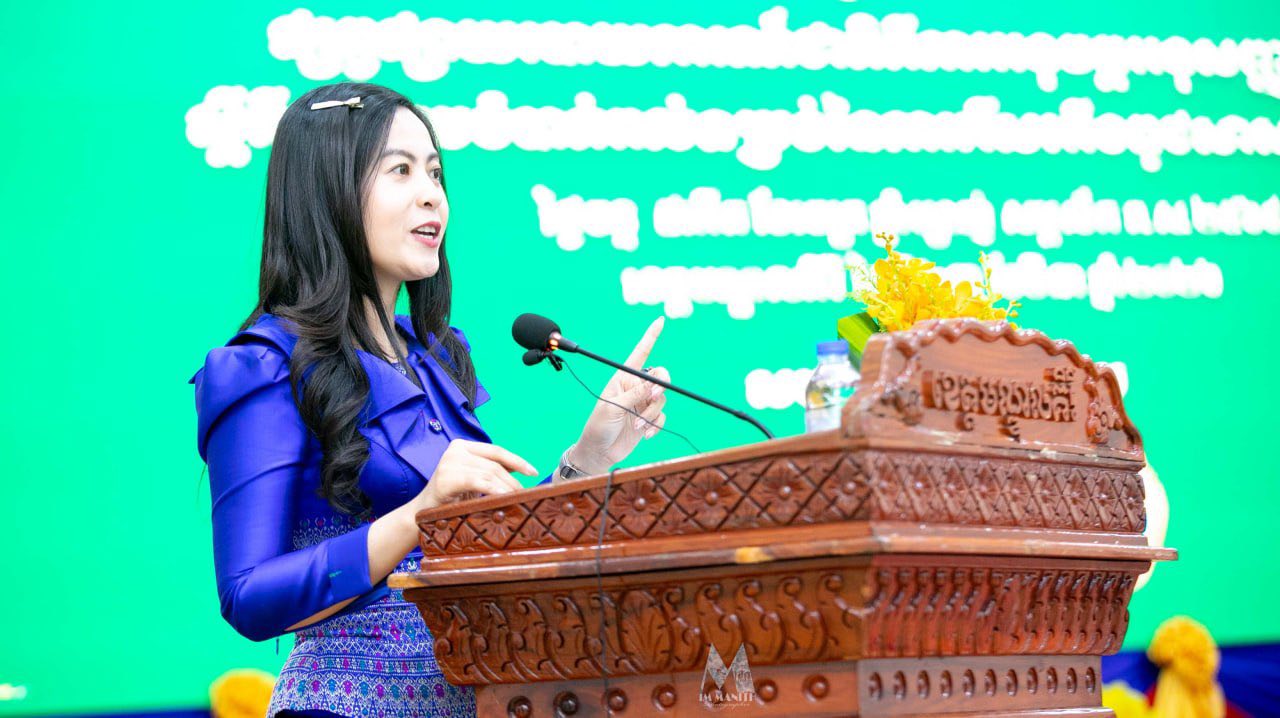
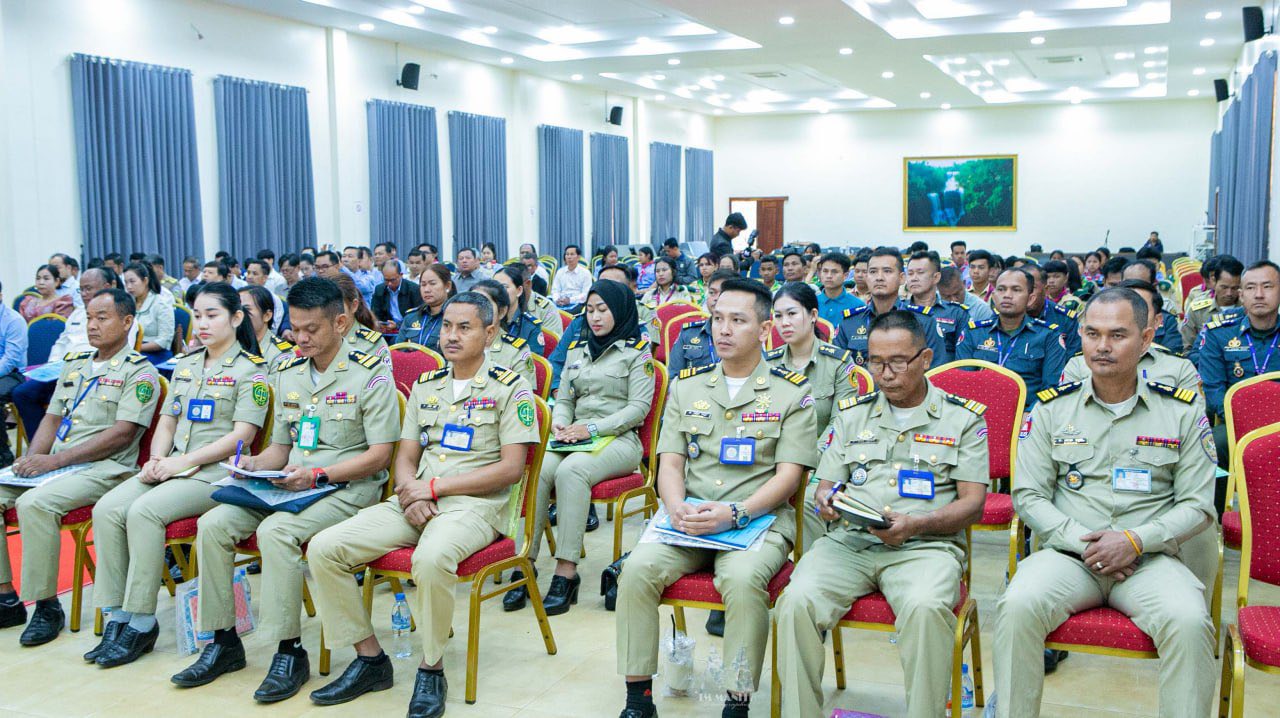
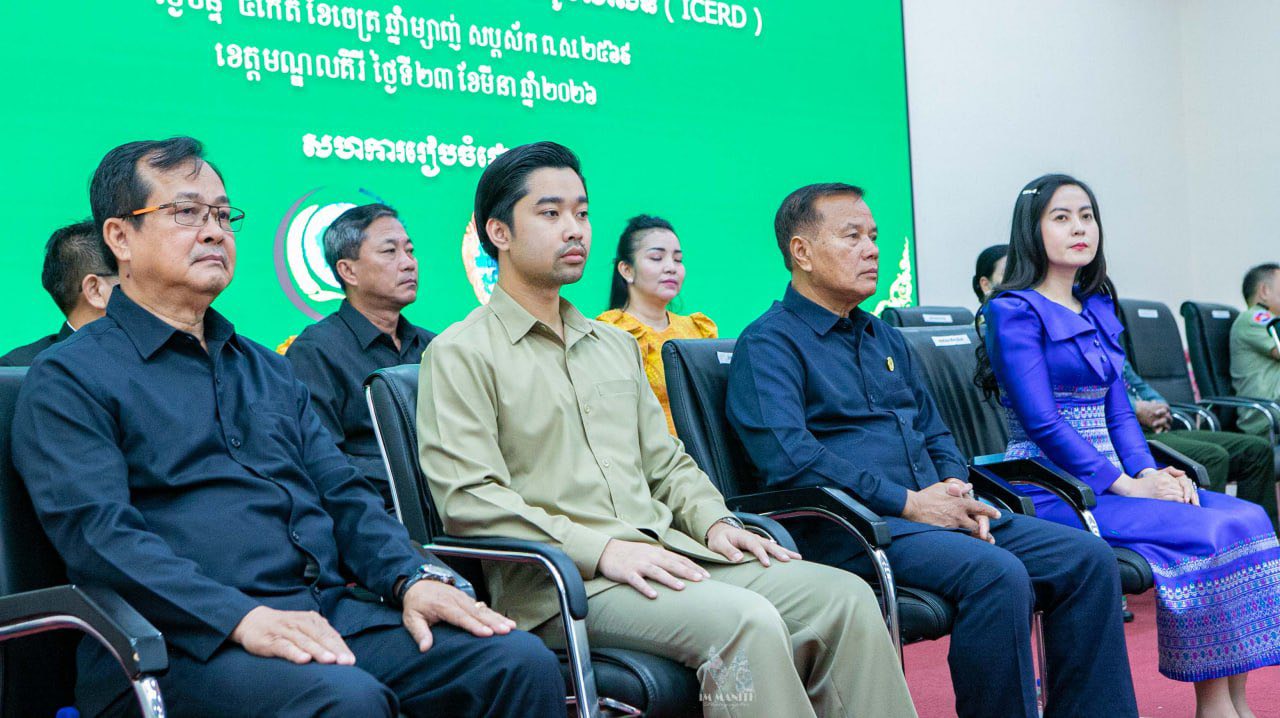
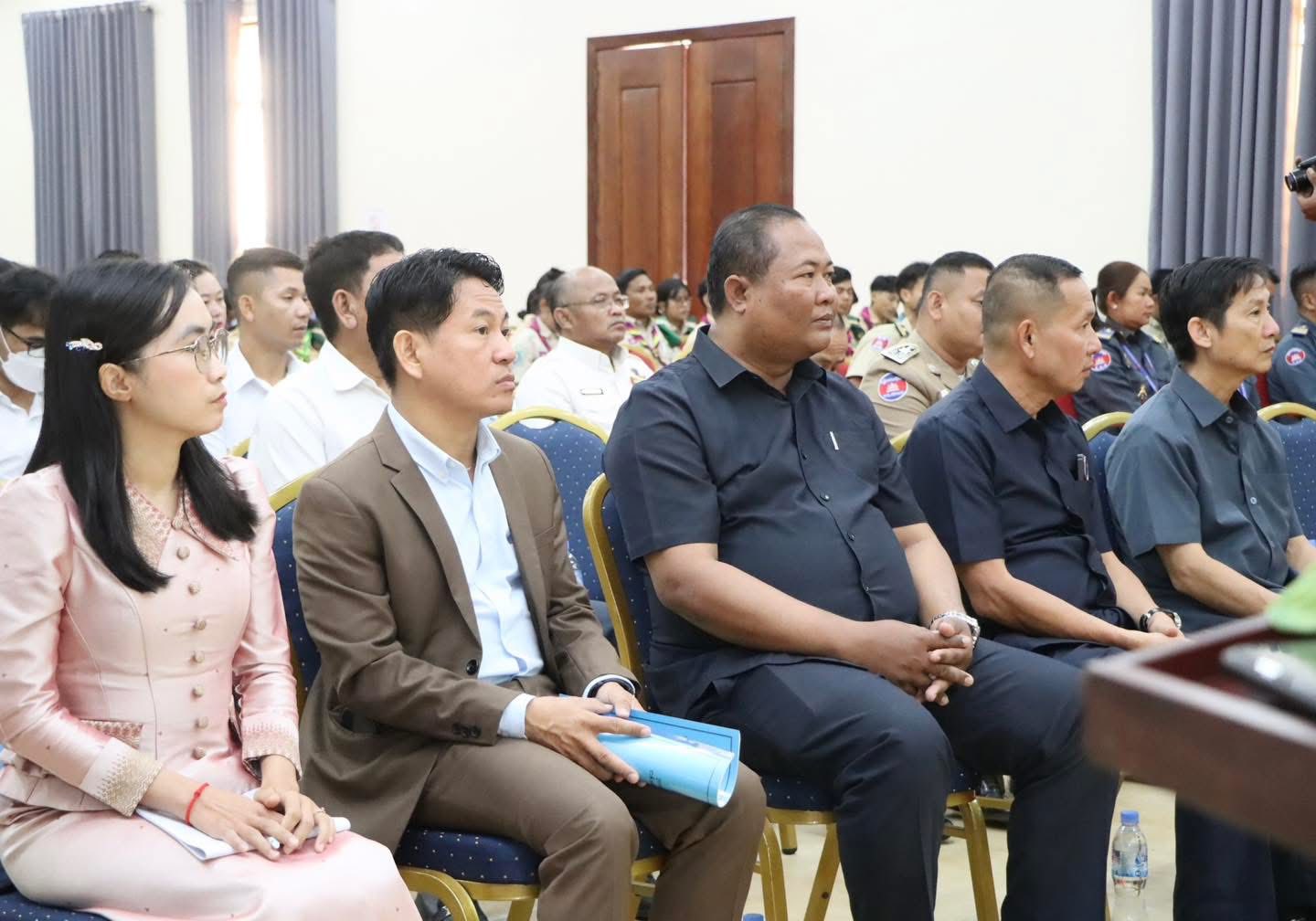
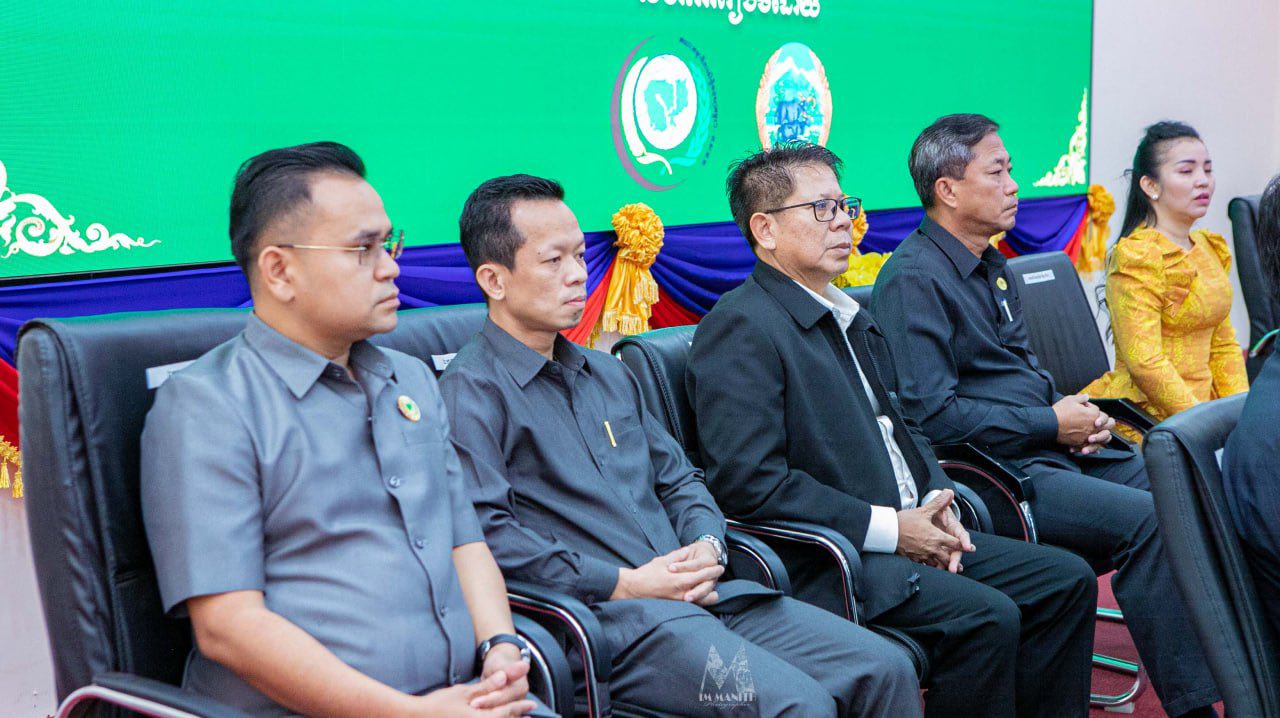
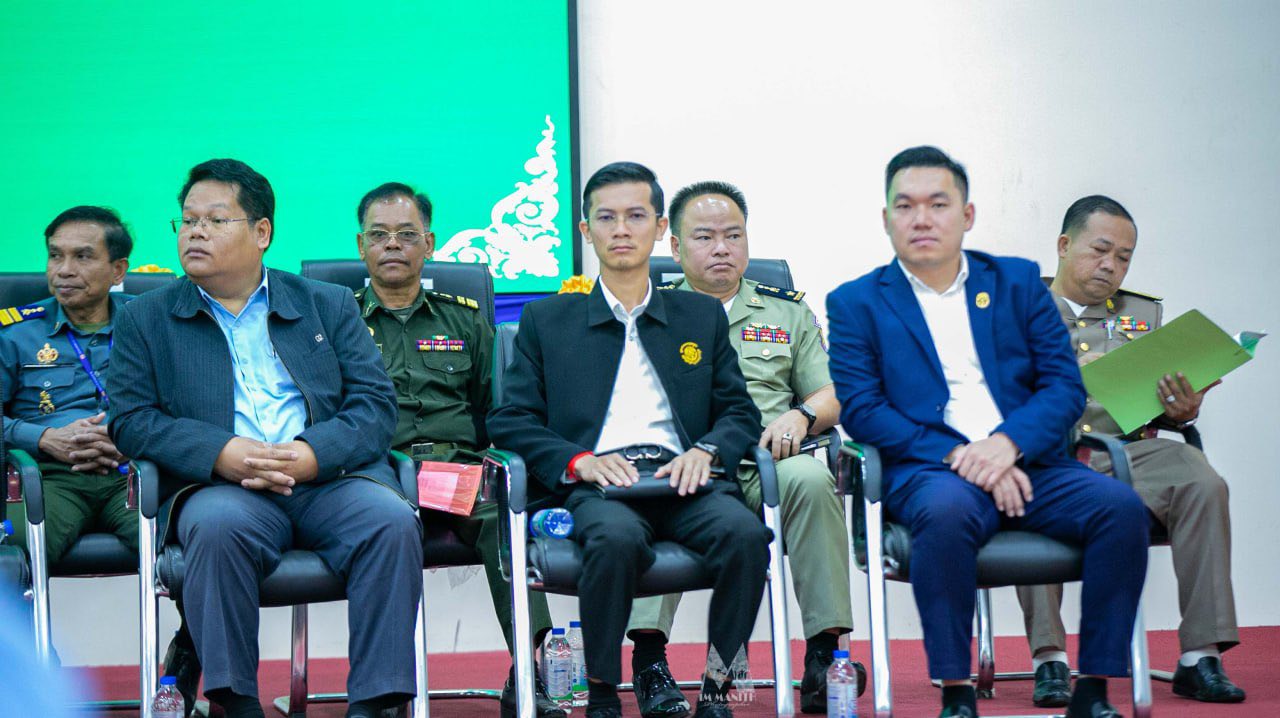
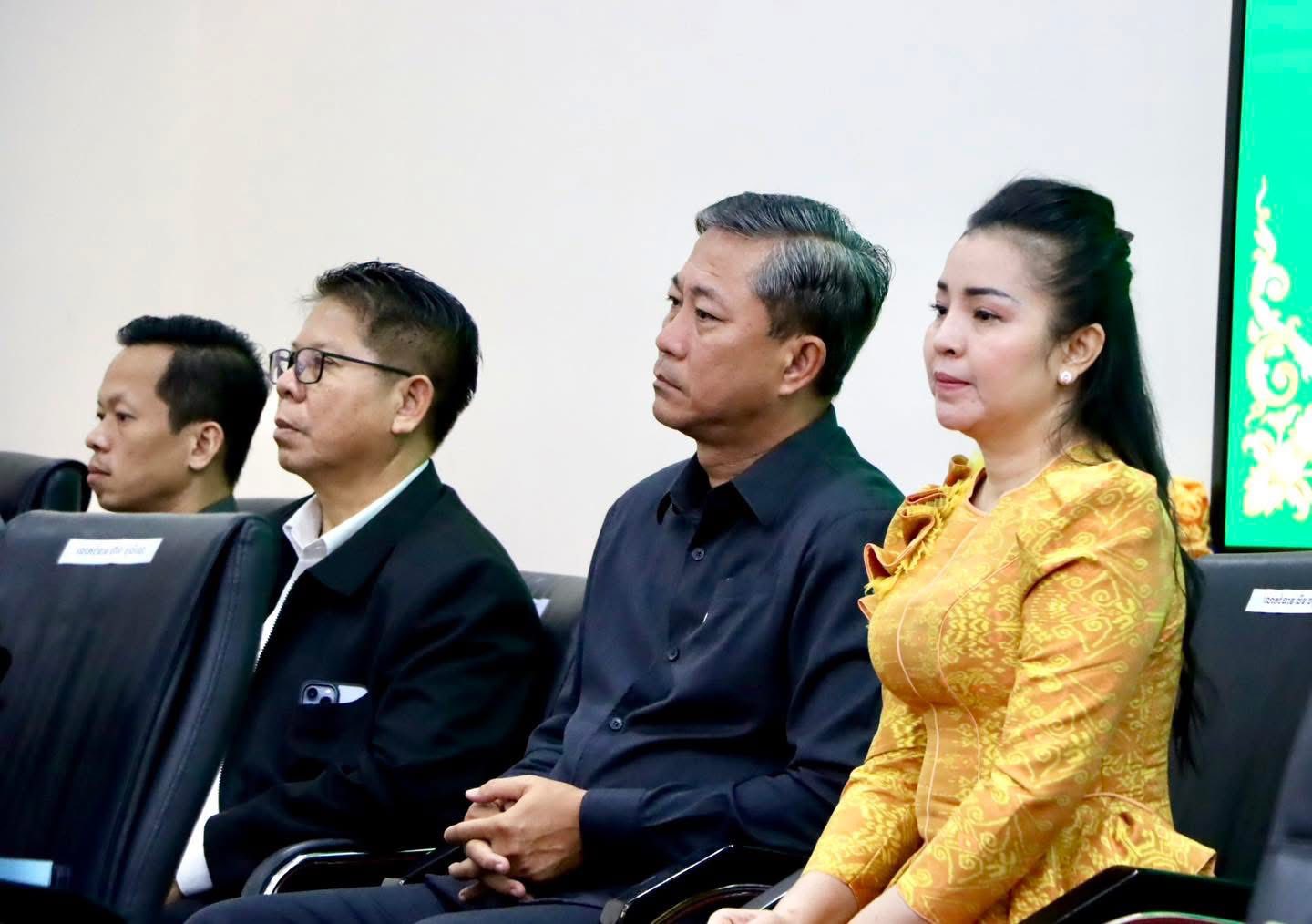
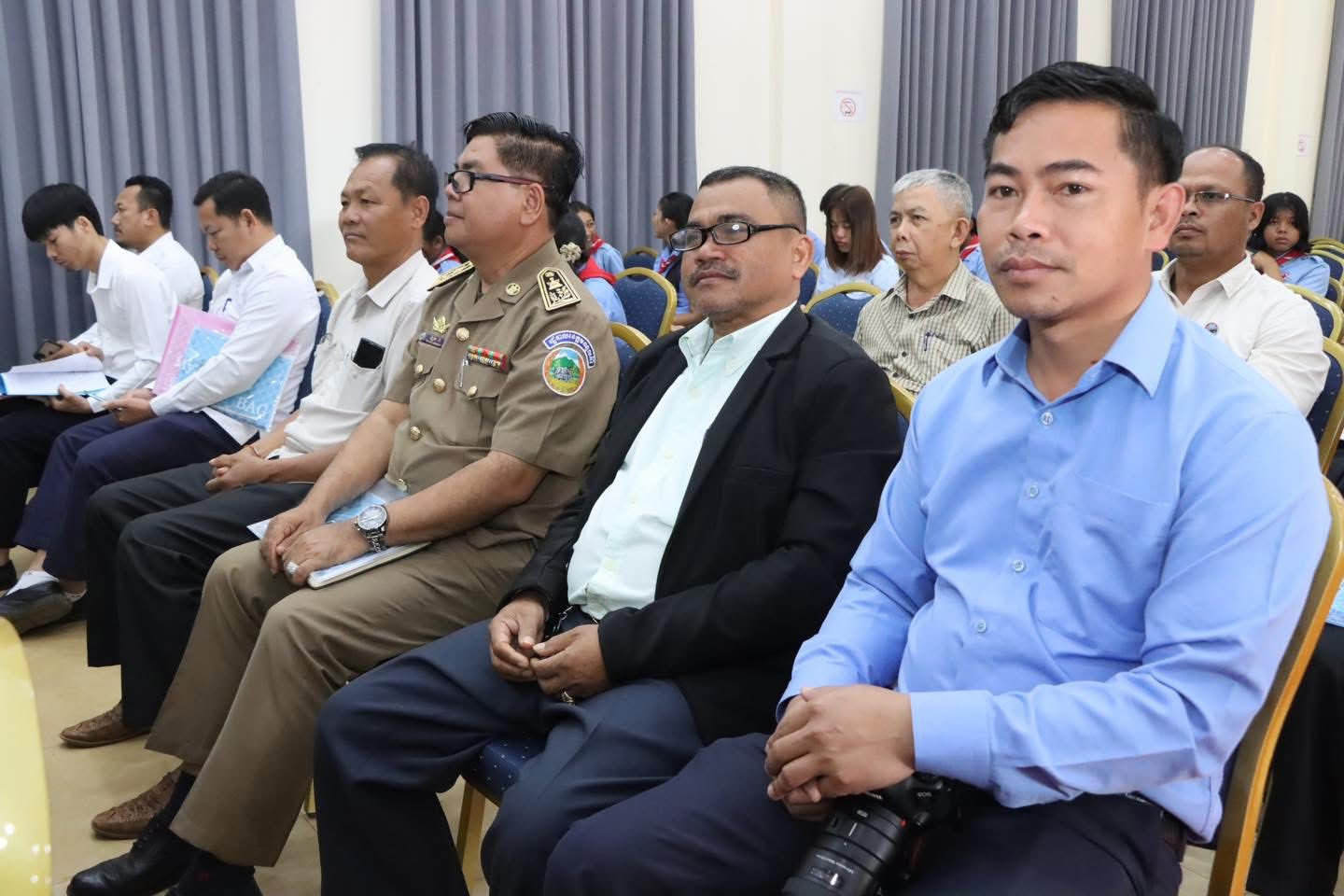
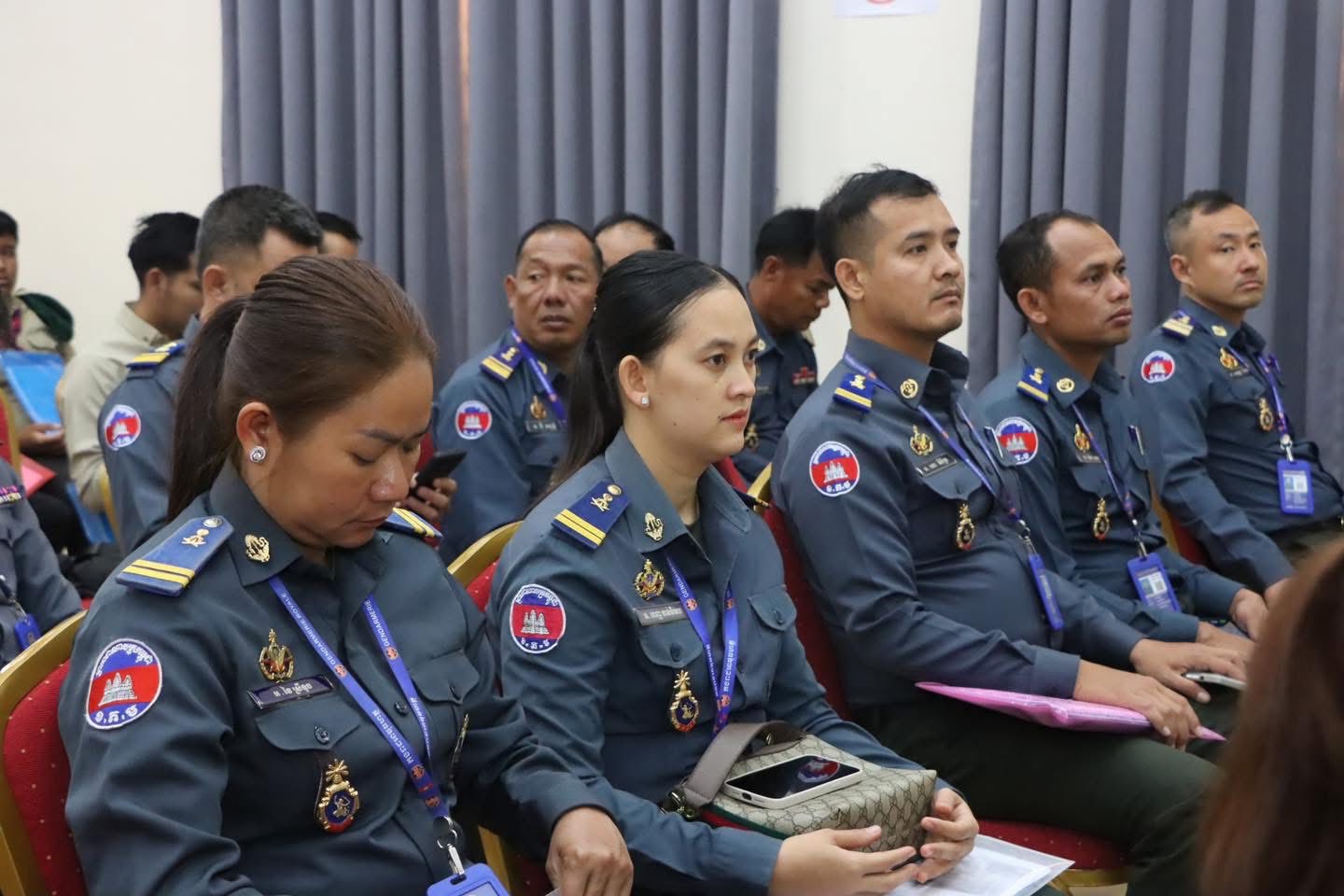
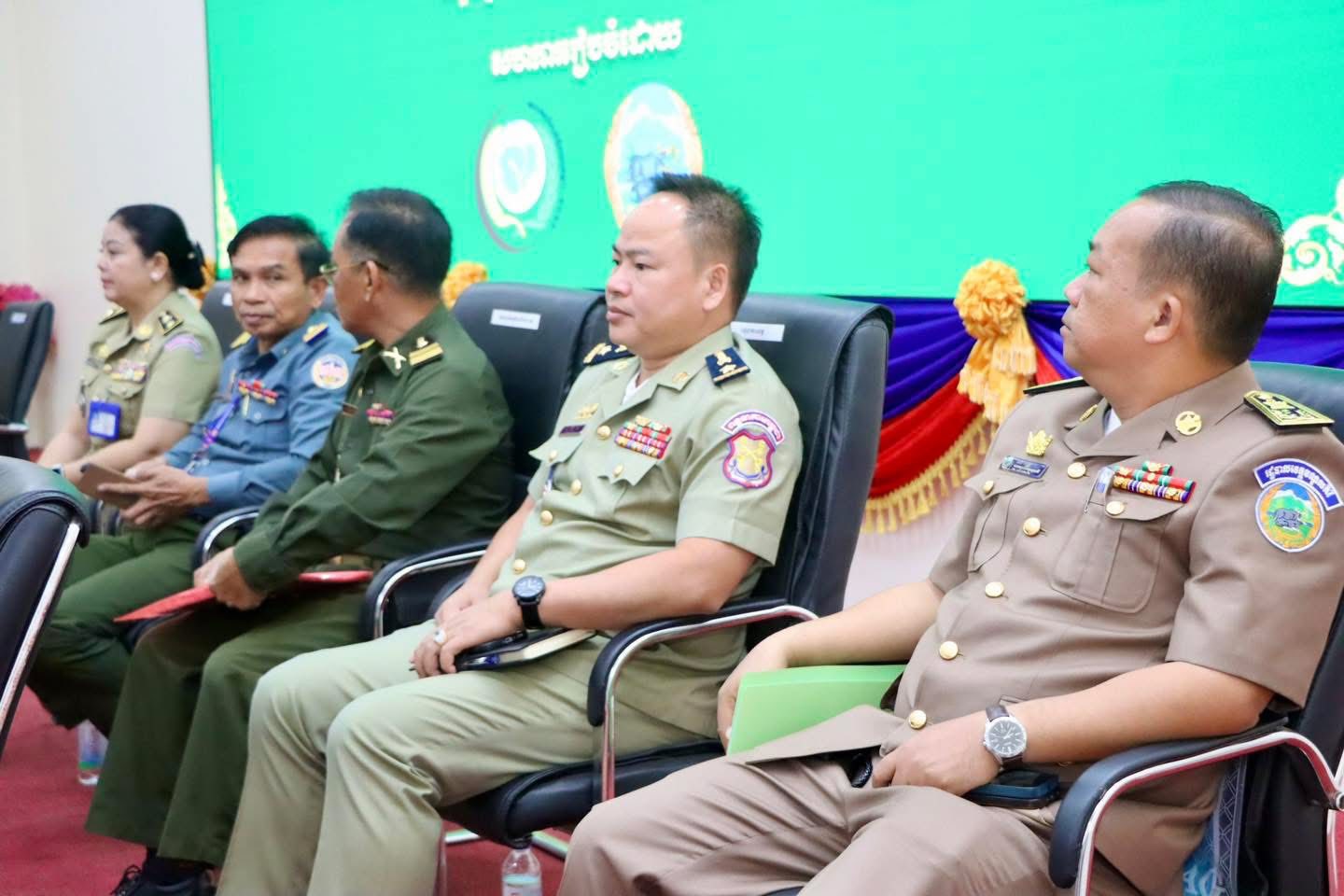
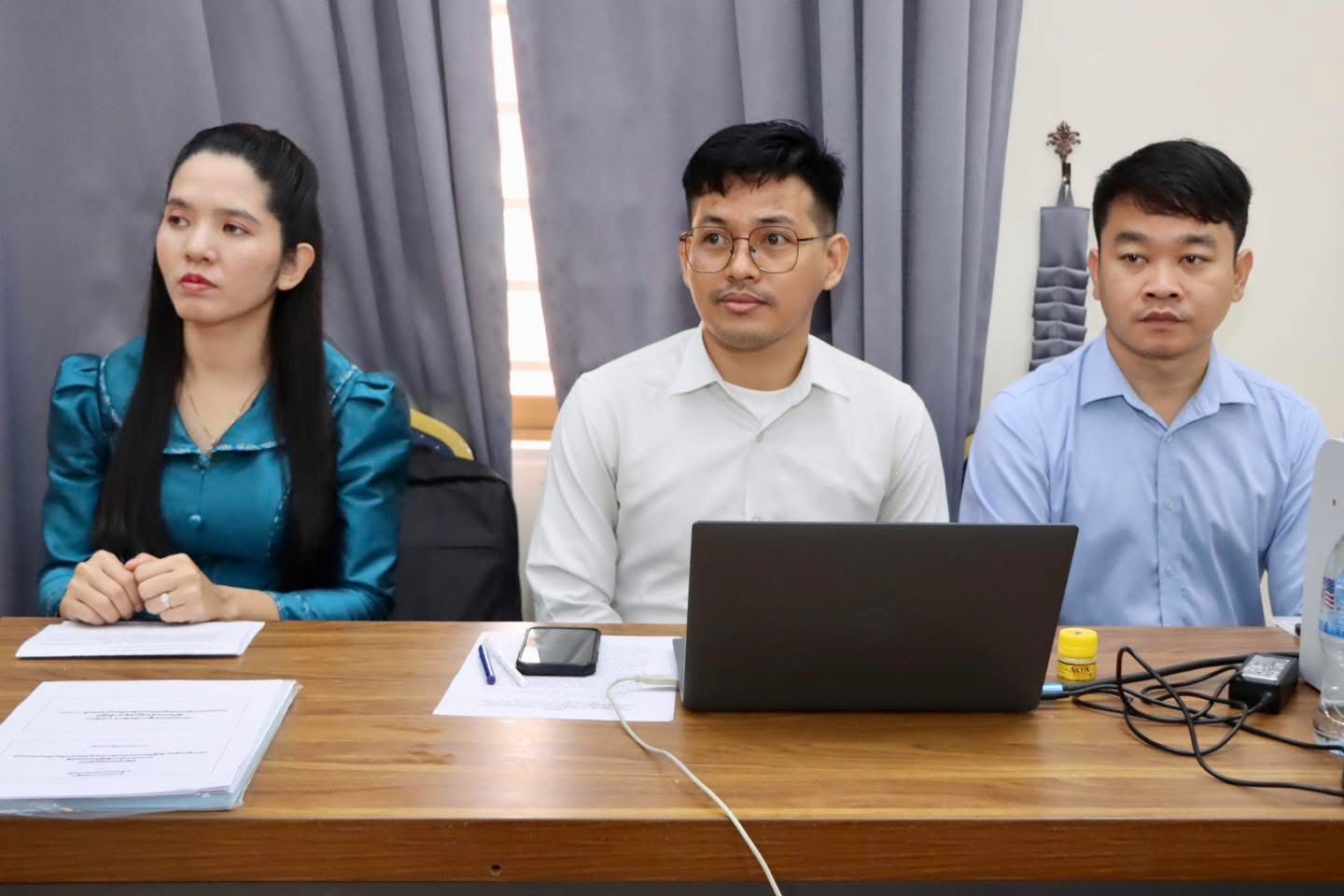
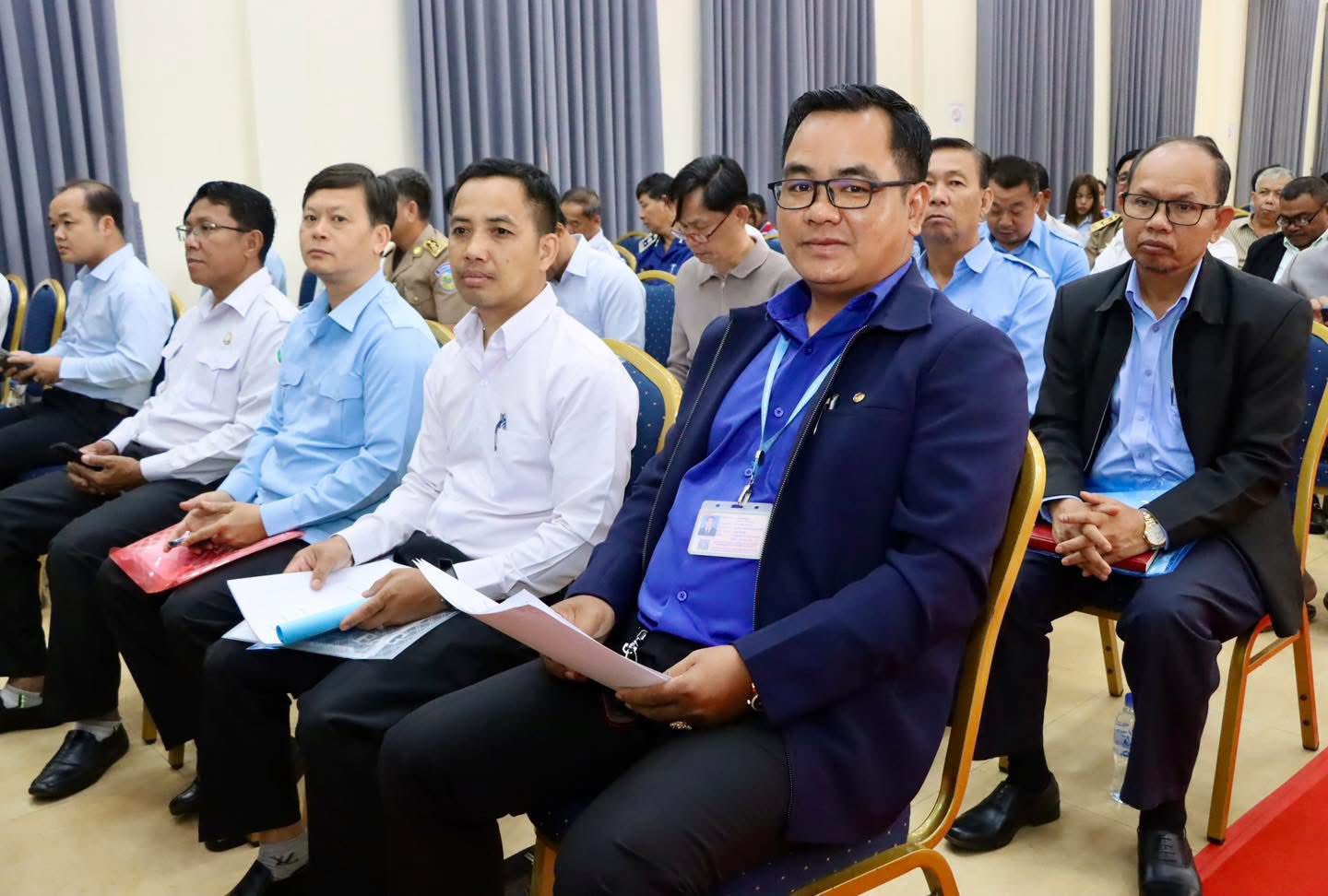
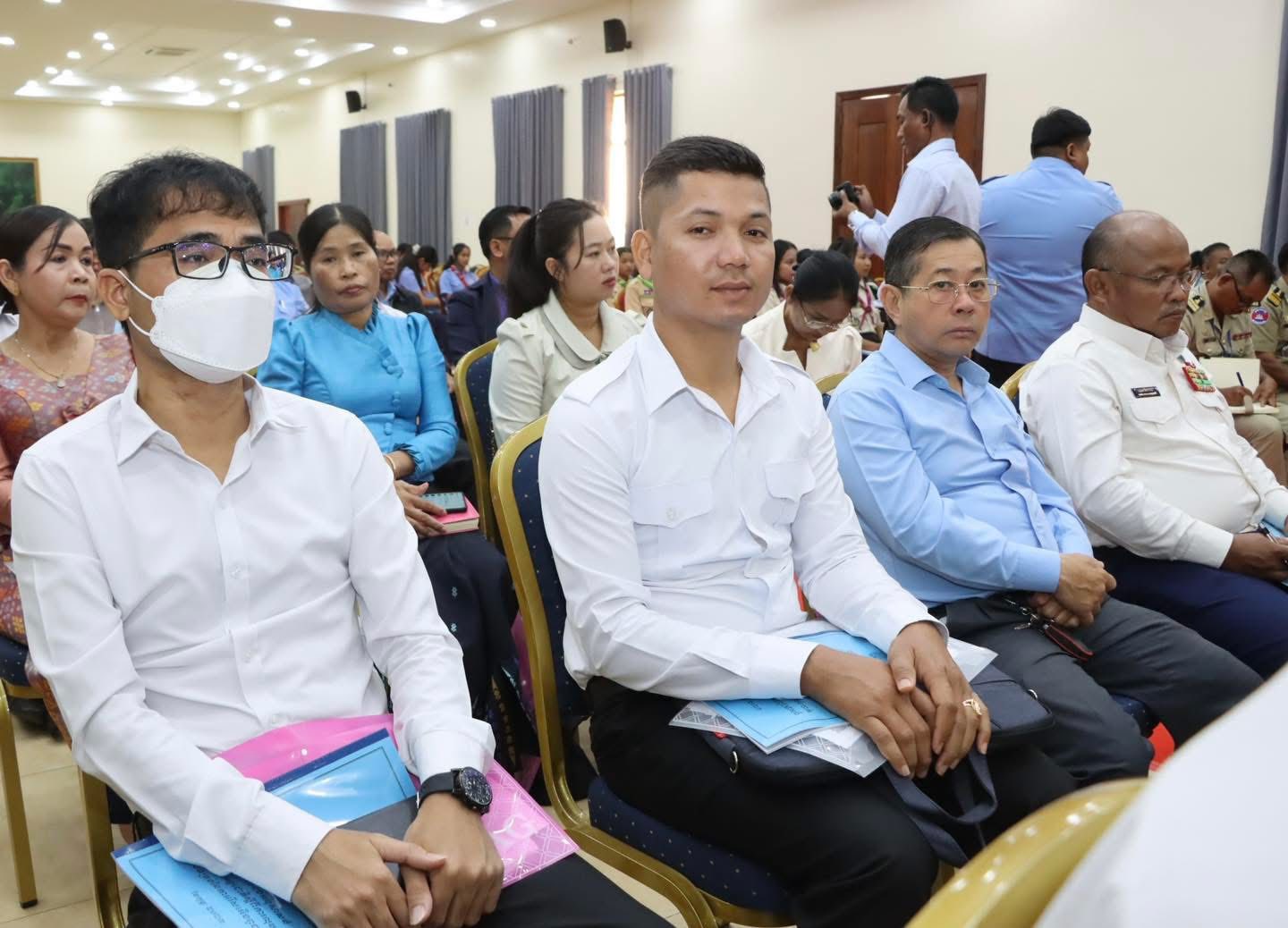
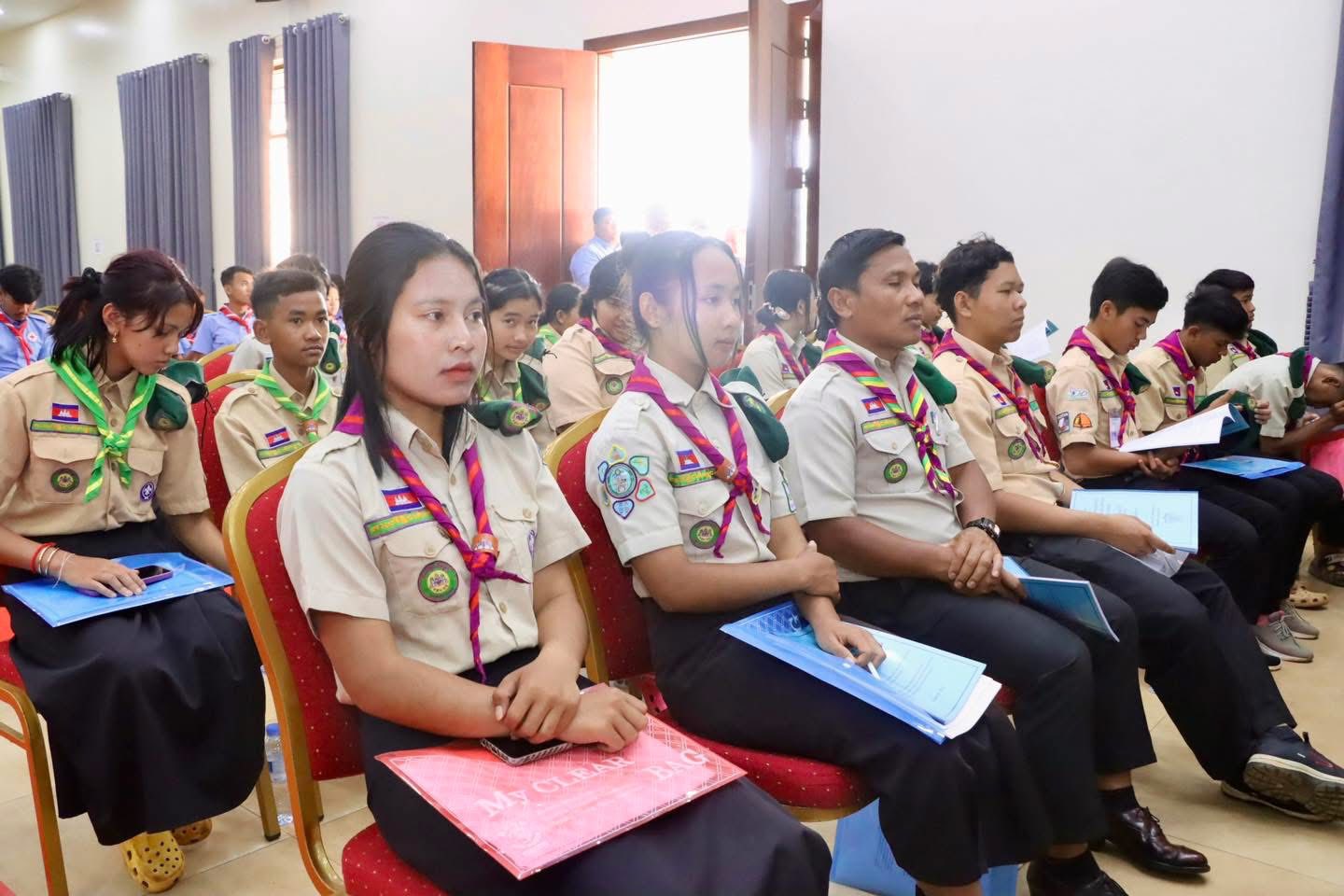
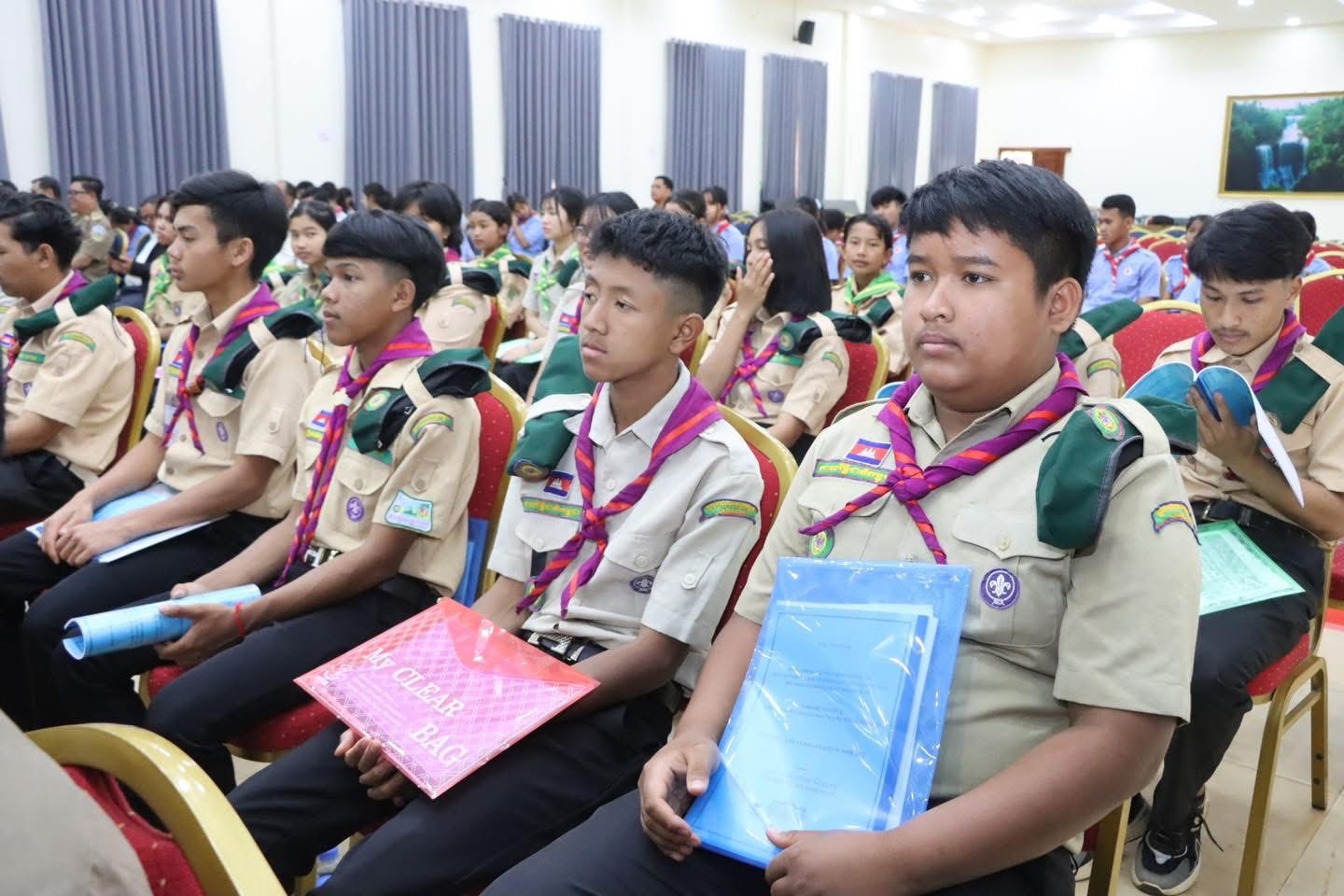
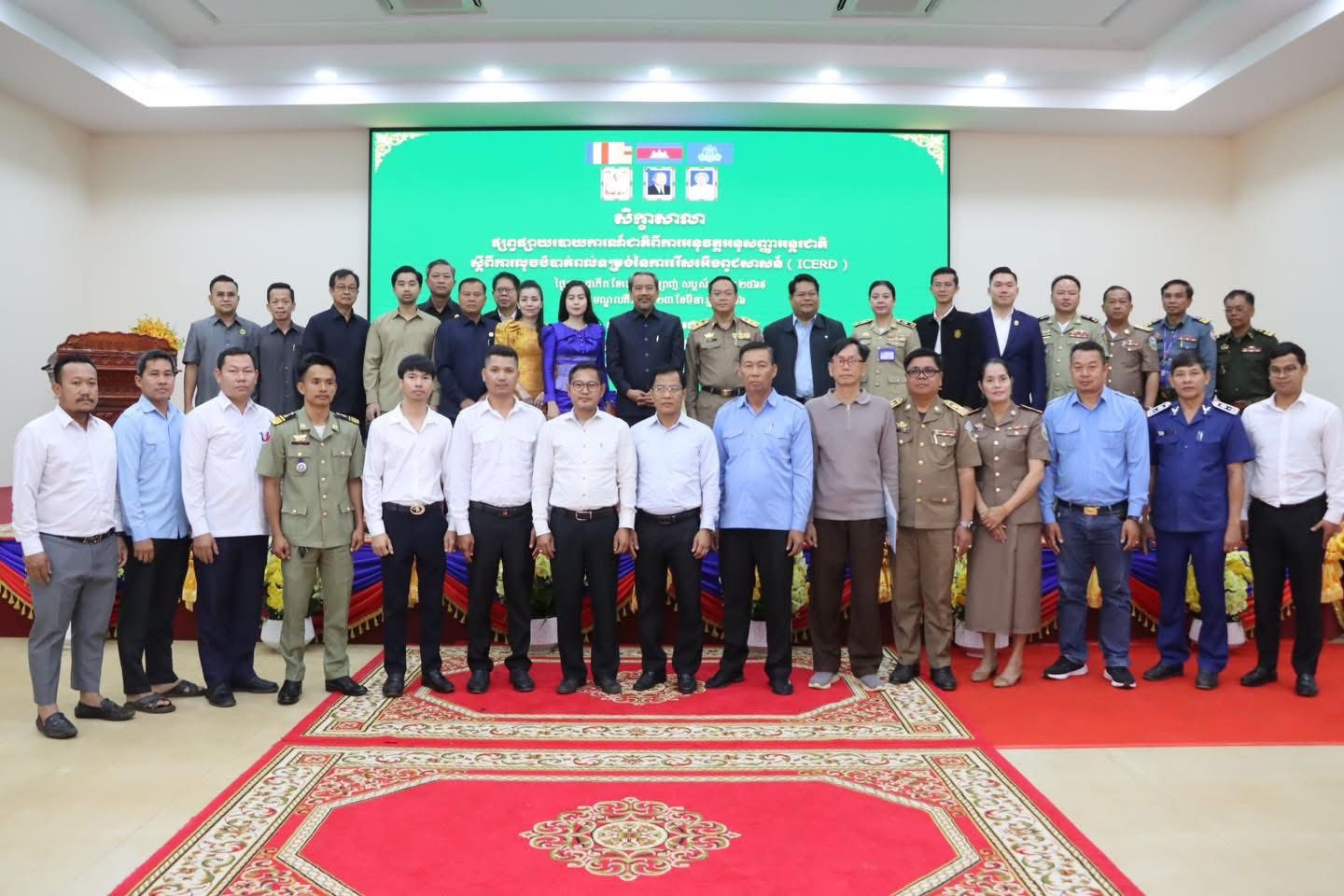
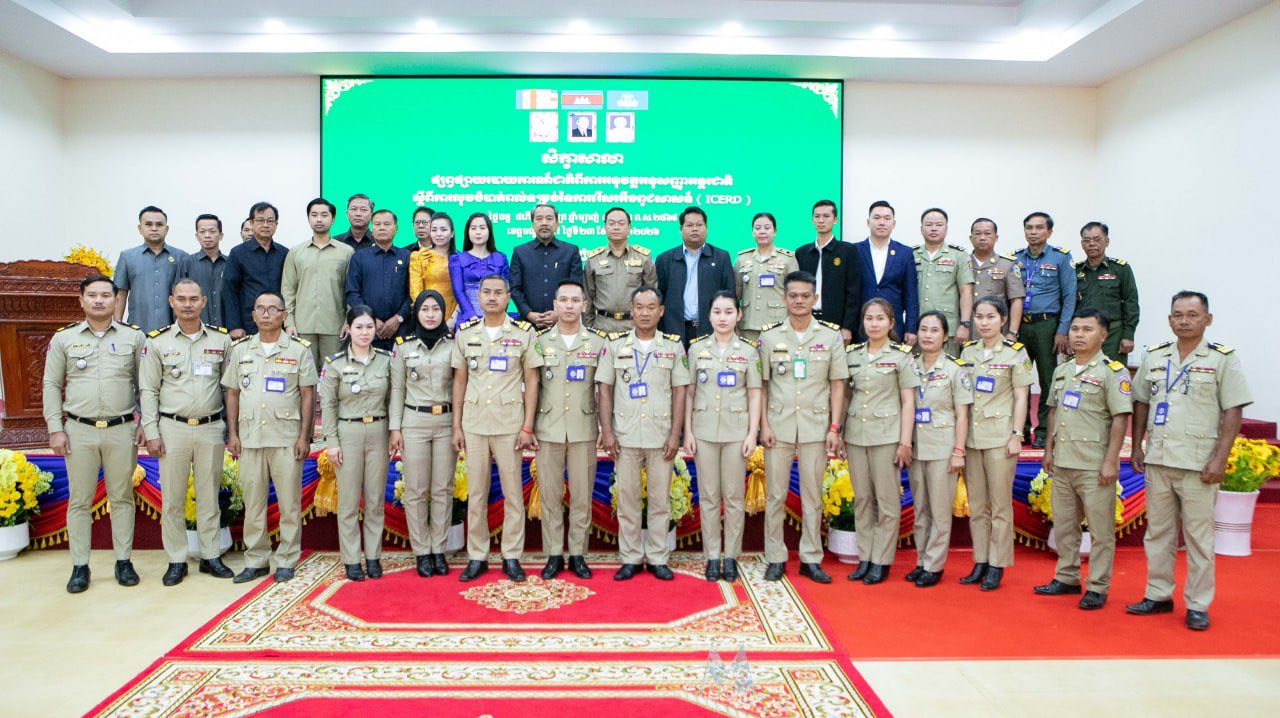
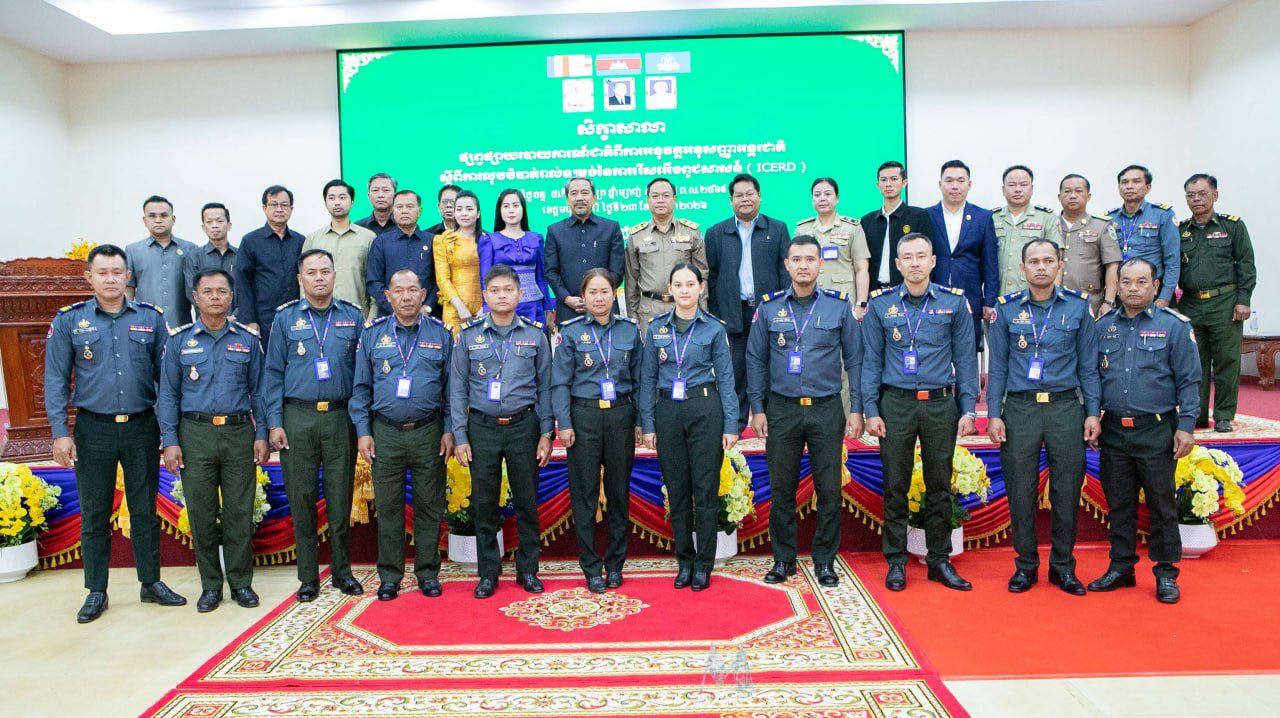
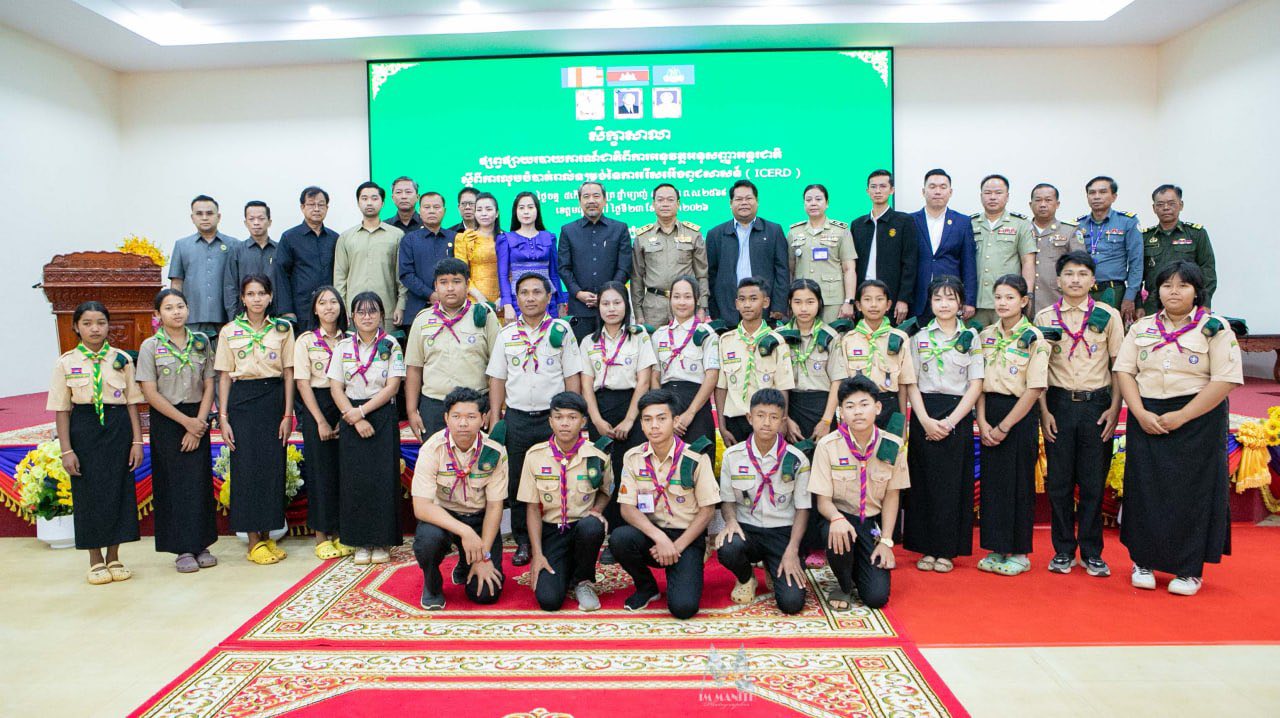
Mondulkiri: HE Keo Remy, Senior Minister, President of the Cambodian Human Rights Committee (CHRC), presided over the opening ceremony for the workshop aimed at disseminating Cambodia’s national report on implementing the International Convention on the Elimination of All Forms of Racial Discrimination, under the collaboration between the CHRC and the Mondulkiri Provincial Administration, on the morning of 23 March 2026, at the Mondulkiri Provincial Hall.
Speaking on the occasion, HE [Keo Remy,] Senior Minister, said that Cambodia has always upheld and steadfastly applied every international human rights standard and international human rights treaties to which Cambodia is a state party, including the International Convention on the Elimination of All Forms of Racial Discrimination, which Cambodia has ratified since 1983. Regarding non-discrimination, the Royal Government of Cambodia upholds a firm policy against it, despite the ongoing border dispute with Thailand. In particular, Samdech Moha Borvor Thipadei Hun Manet, Prime Minister of the Kingdom of Cambodia, has urged civil servants at every level and the public at large to rigorously follow laws in force—avoiding any discrimination, violence, or harm toward Thai residents, workers, or businesspeople in Cambodia that could incite racial or ethnic bias. In addition, Thai nationals detained in prisons are also protected from discrimination and violence. This serves as an important basis for demonstrating respect for human rights and Cambodia’s commitment to peaceful relations with its neighbours, in contrast to actions by the Thai military, which has carried out various violations of international law, human rights law, and international humanitarian law, including the unilateral closure of border checkpoints, the unlawful detention of 20 Cambodian soldiers, the gang rape of Cambodian female workers, the use of violence against Cambodian workers residing in Thailand, and the deployment of high-frequency sound devices, among others.
HE [Keo Remy,] Senior Minister, added that the Royal Government of Cambodia has adopted a resolute position to safeguard its sovereignty and territorial integrity via diplomatic and legal channels, as well as through diverse mechanisms at ASEAN and international forums. At the same time, the CHRC supported these efforts by issuing 60 petitions, statements, condemnations, and other letters. It also conducted a human rights mission to Geneva, Switzerland, where it held 29 bilateral meetings with entities such as the United Nations Human Rights Council, the Office of the United Nations High Commissioner for Human Rights, Human Rights Council member states, and special rapporteurs on various rights issues—to present the true account of Thailand’s aggression against Cambodia.
HE [Keo Remy,] Senior Minister, expressed thanks to the Mondulkiri provincial administration—particularly HE Thong Savun, Governor of Mondulkiri province—for partnering with the CHRC to disseminate Cambodia’s national report on implementing the International Convention on the Elimination of All Forms of Racial Discrimination, highlighting the Royal Government’s efforts and key achievements while encouraging sub-national entities to actively participate in protecting and promoting human rights across Cambodia. He also reaffirmed to workshop attendees the Royal Government of Cambodia’s unwavering commitment to reclaiming territory invaded by Thailand. He called for sustained trust in the government’s resolution of this matter and urged unity with the Royal Government to safeguard and develop the nation for enduring progress.