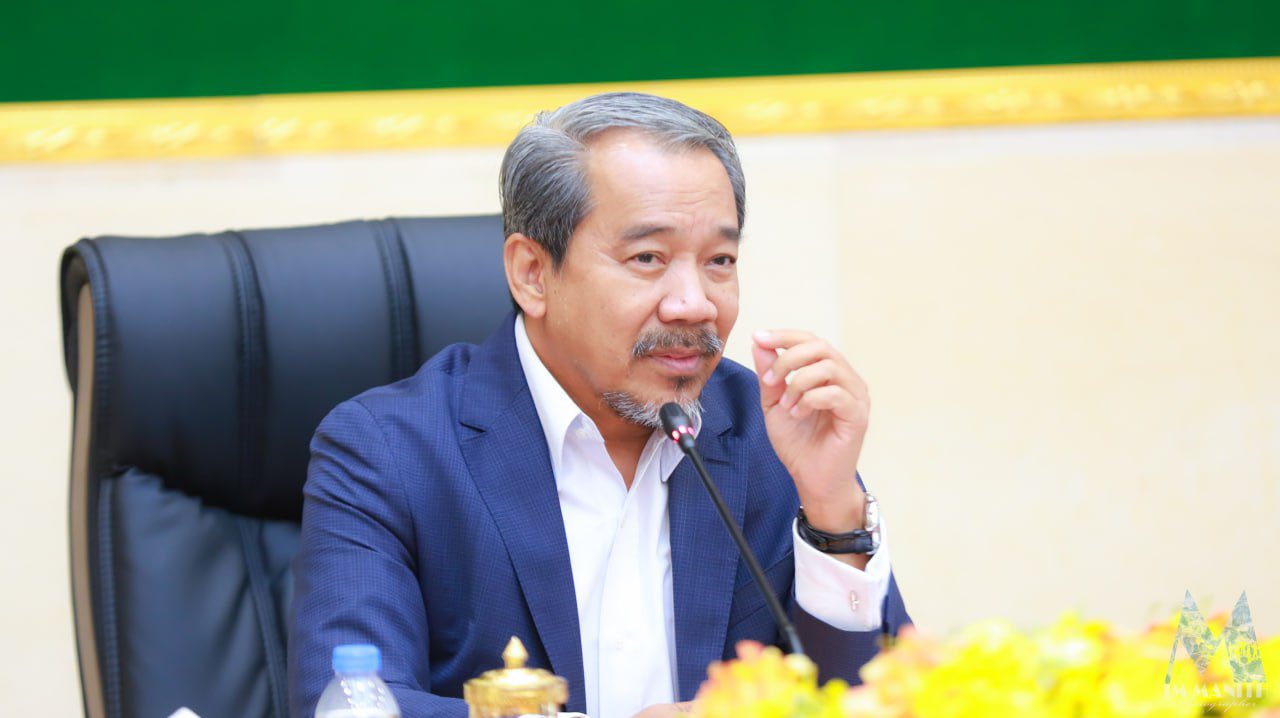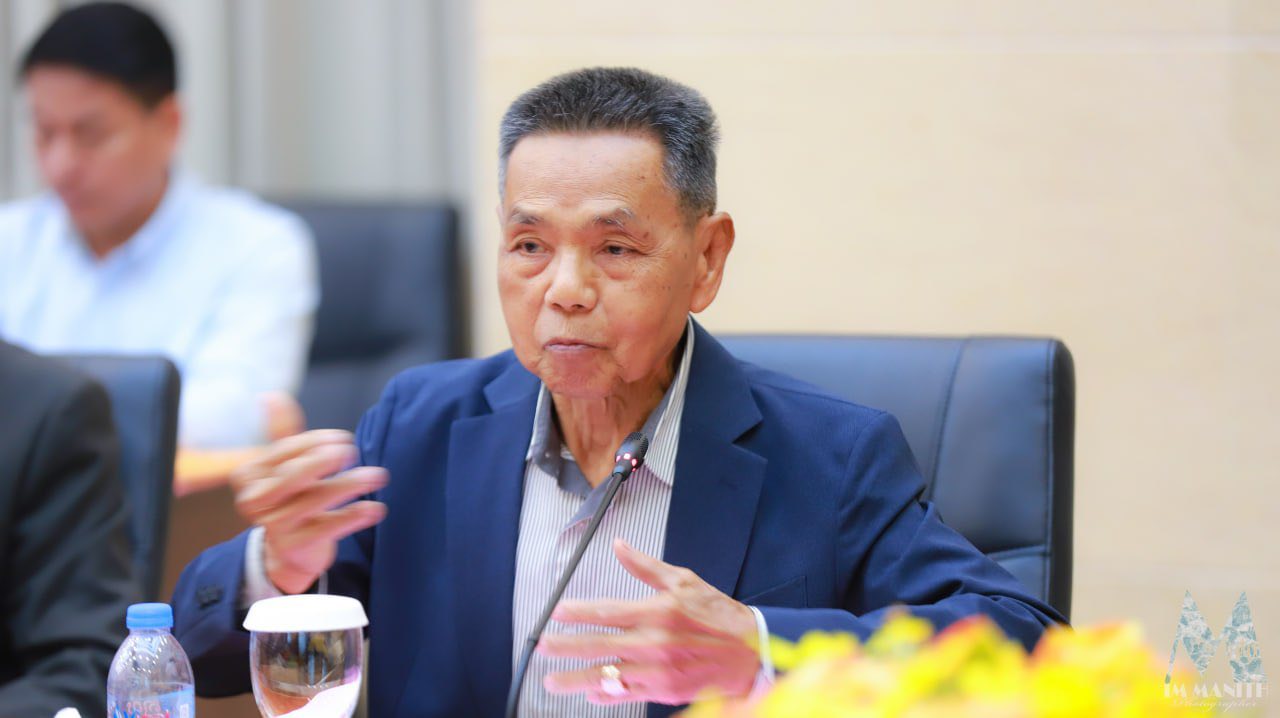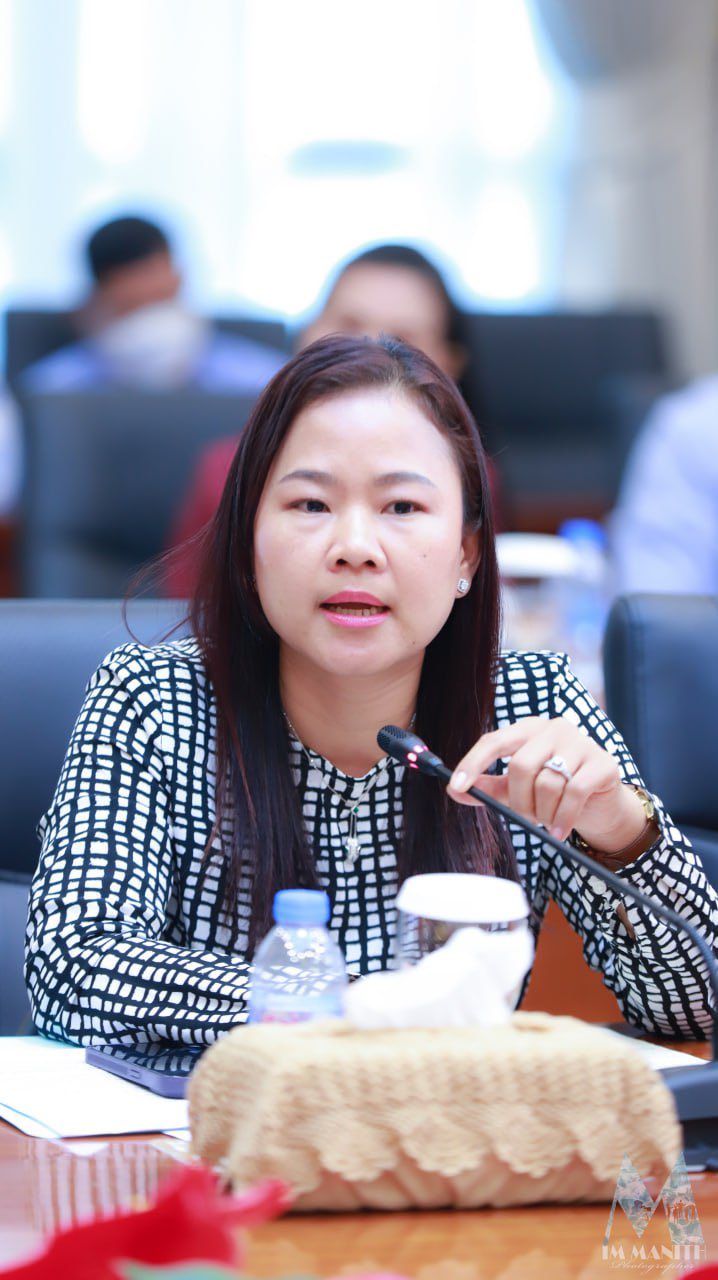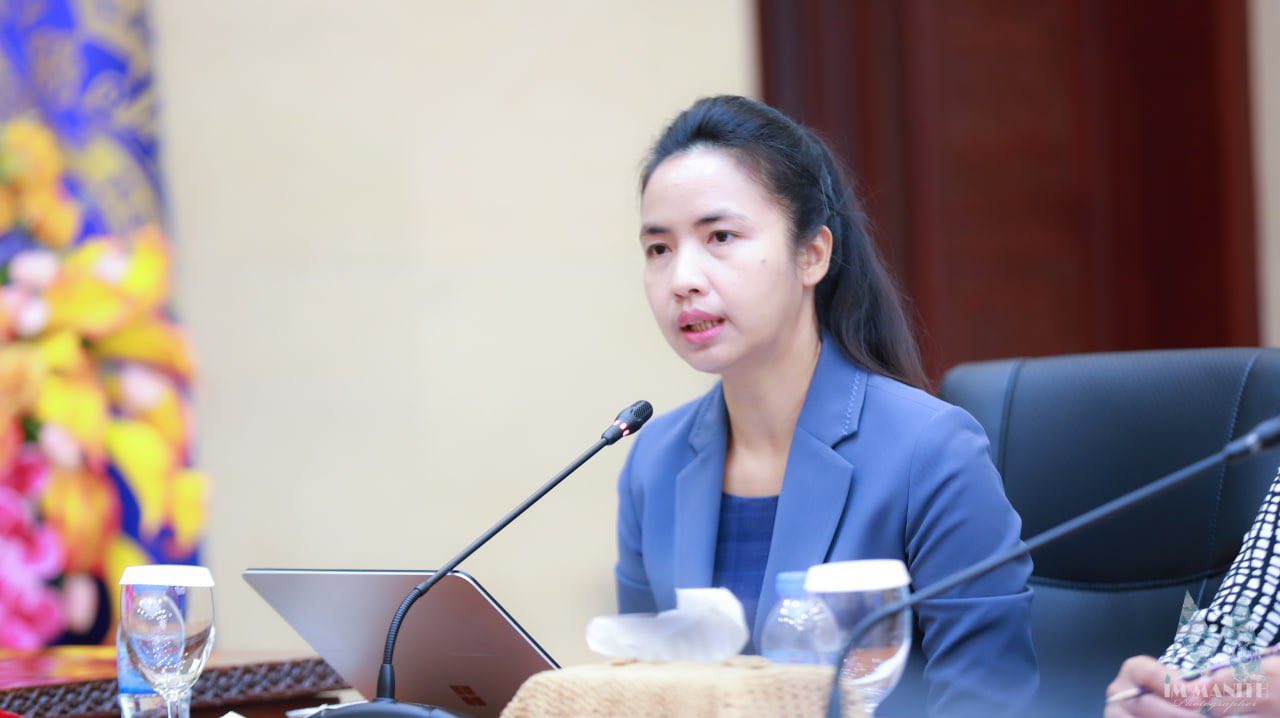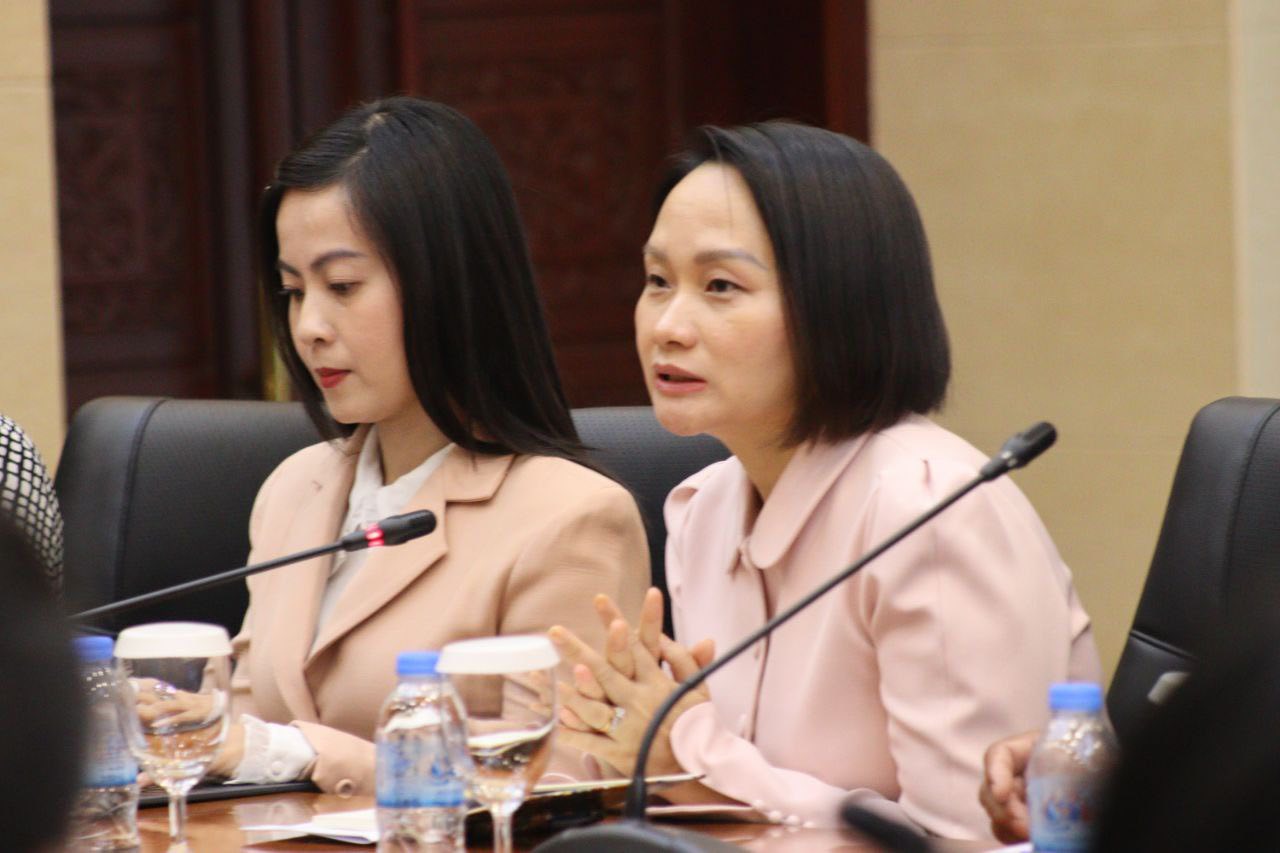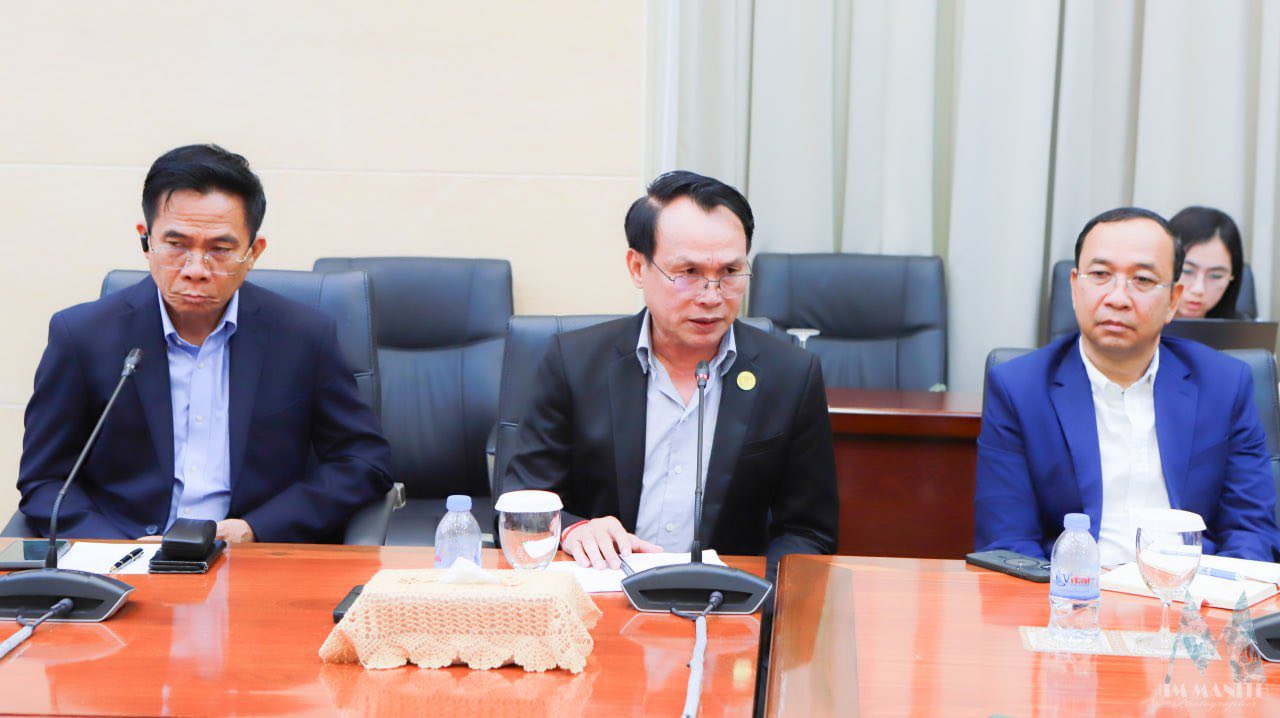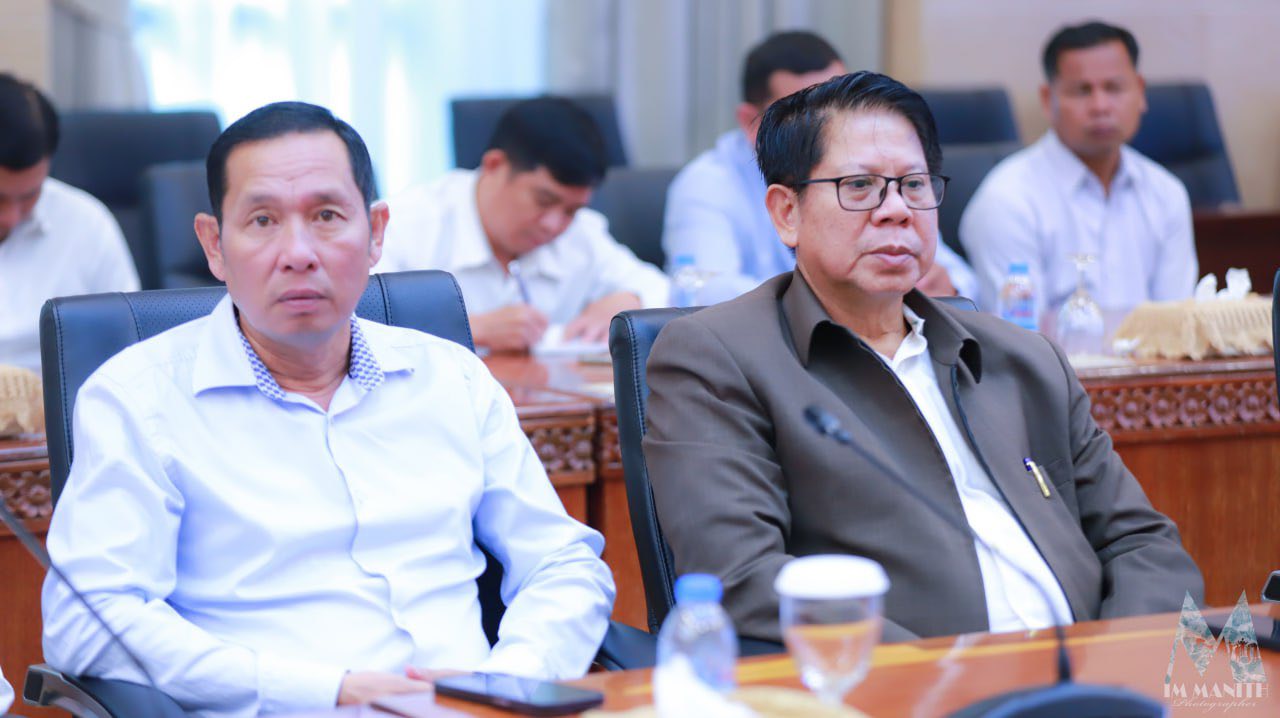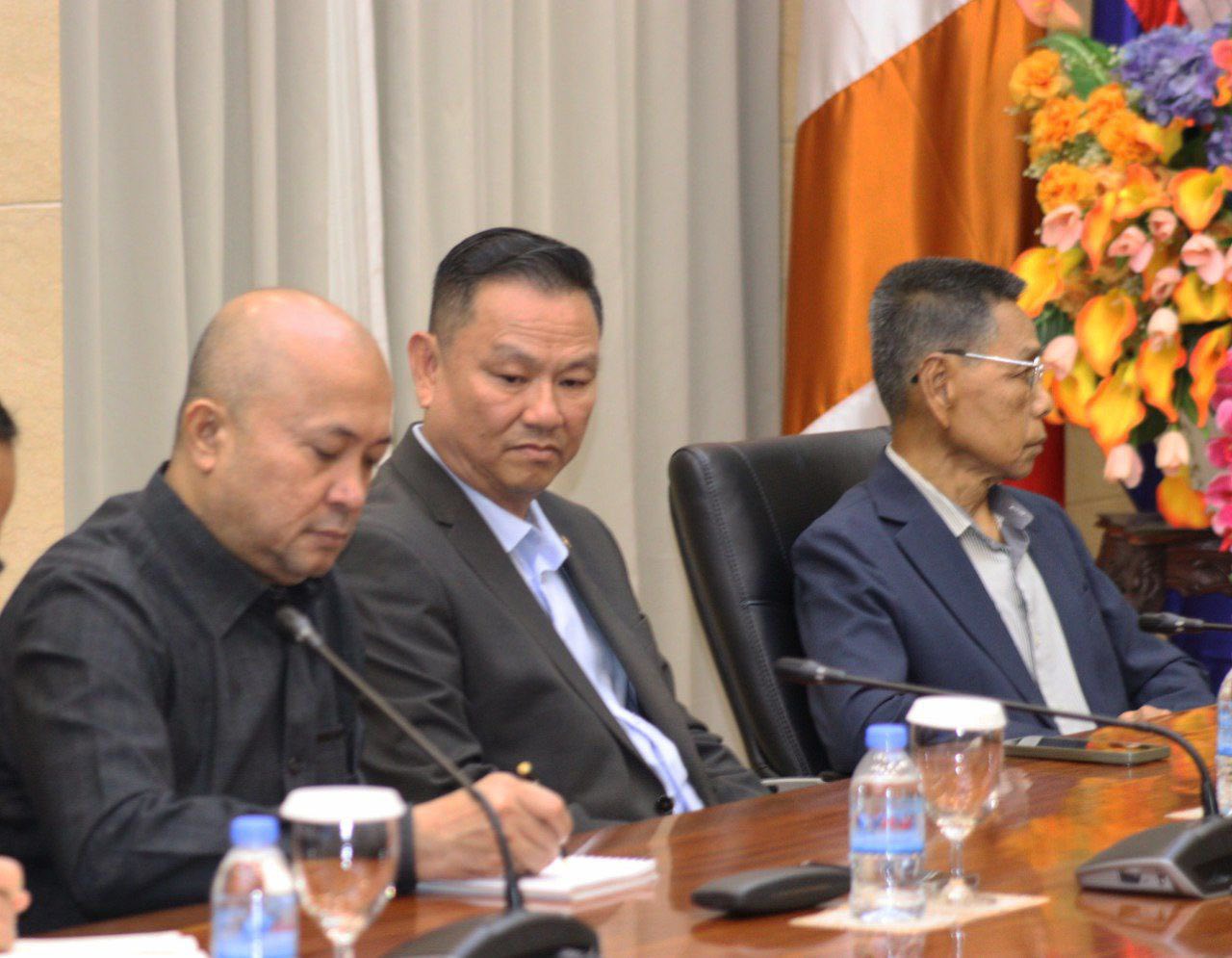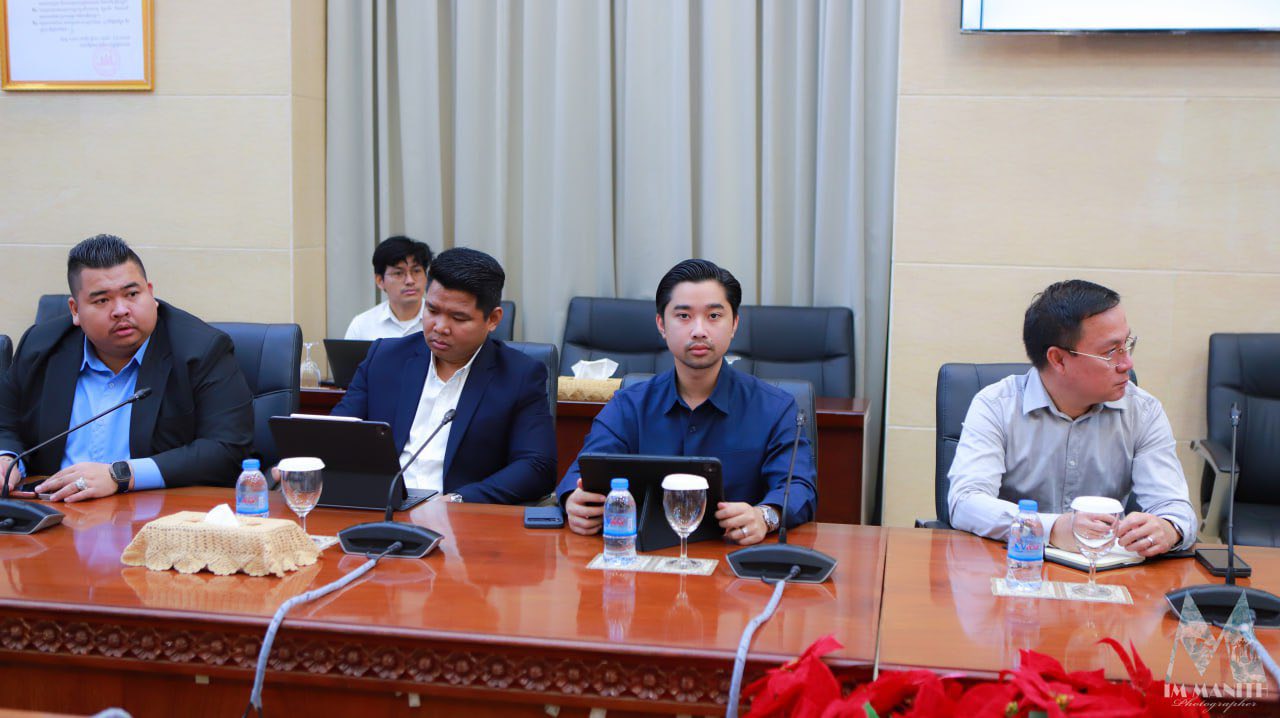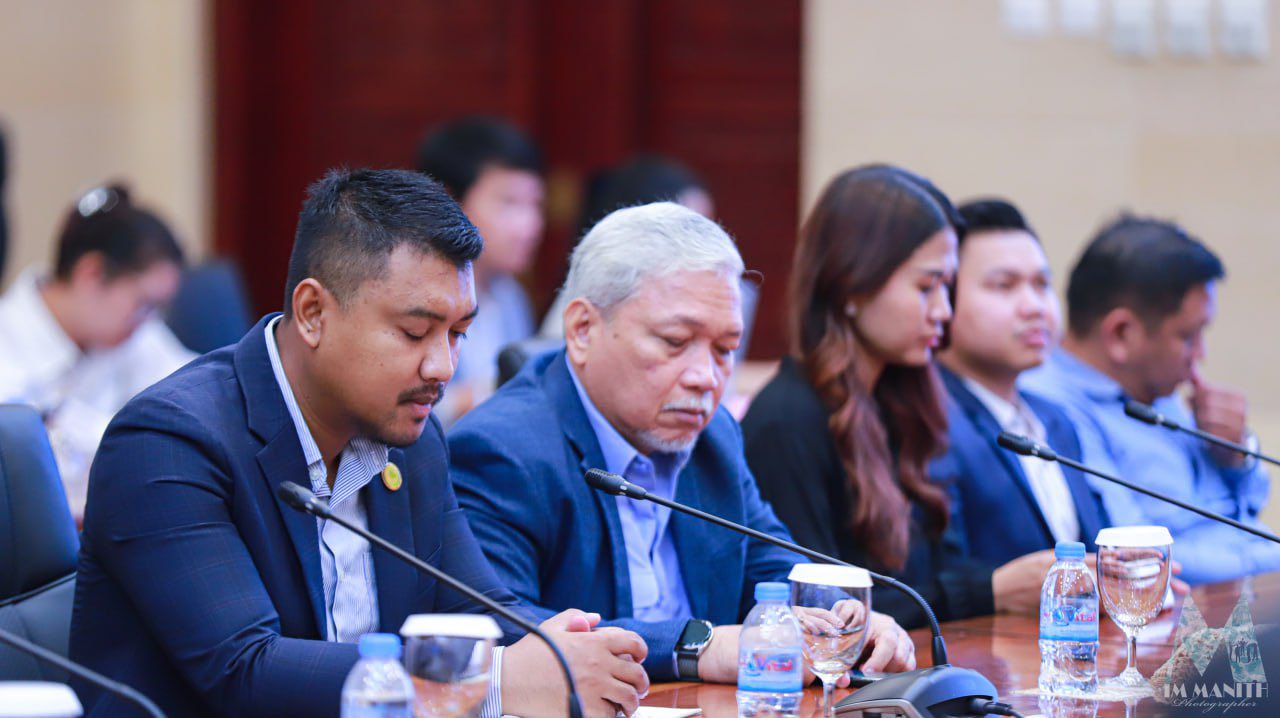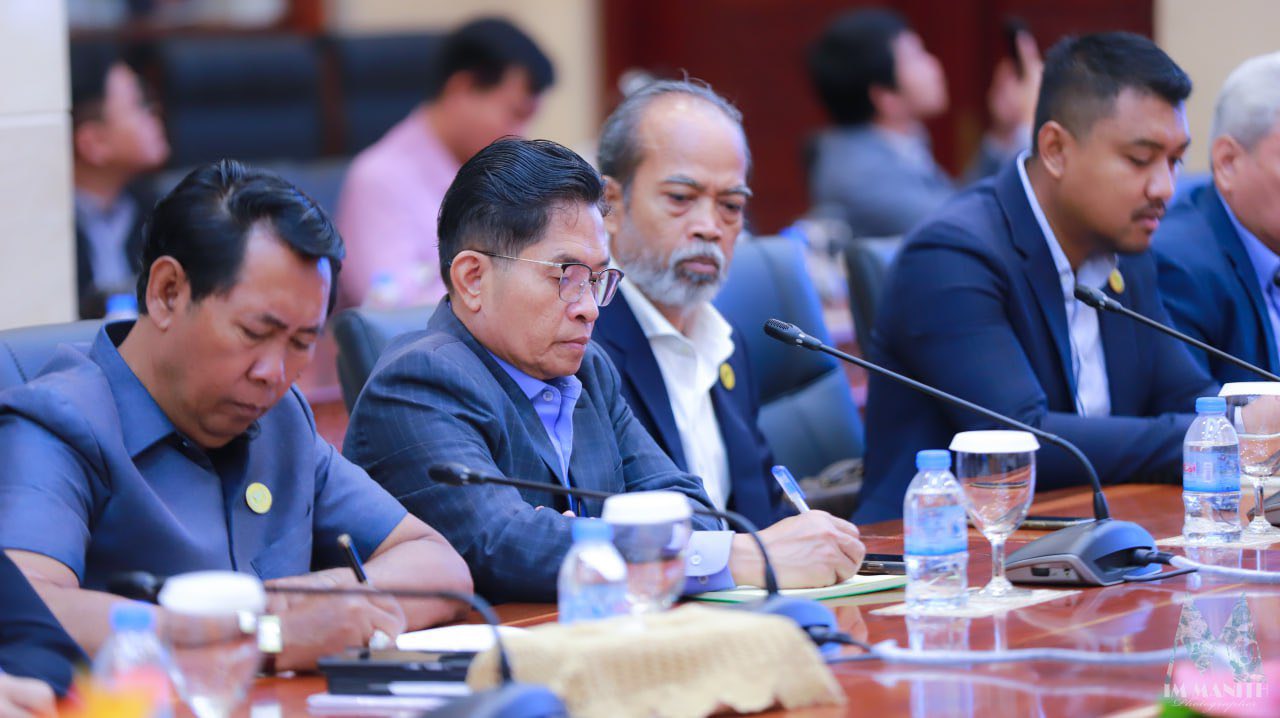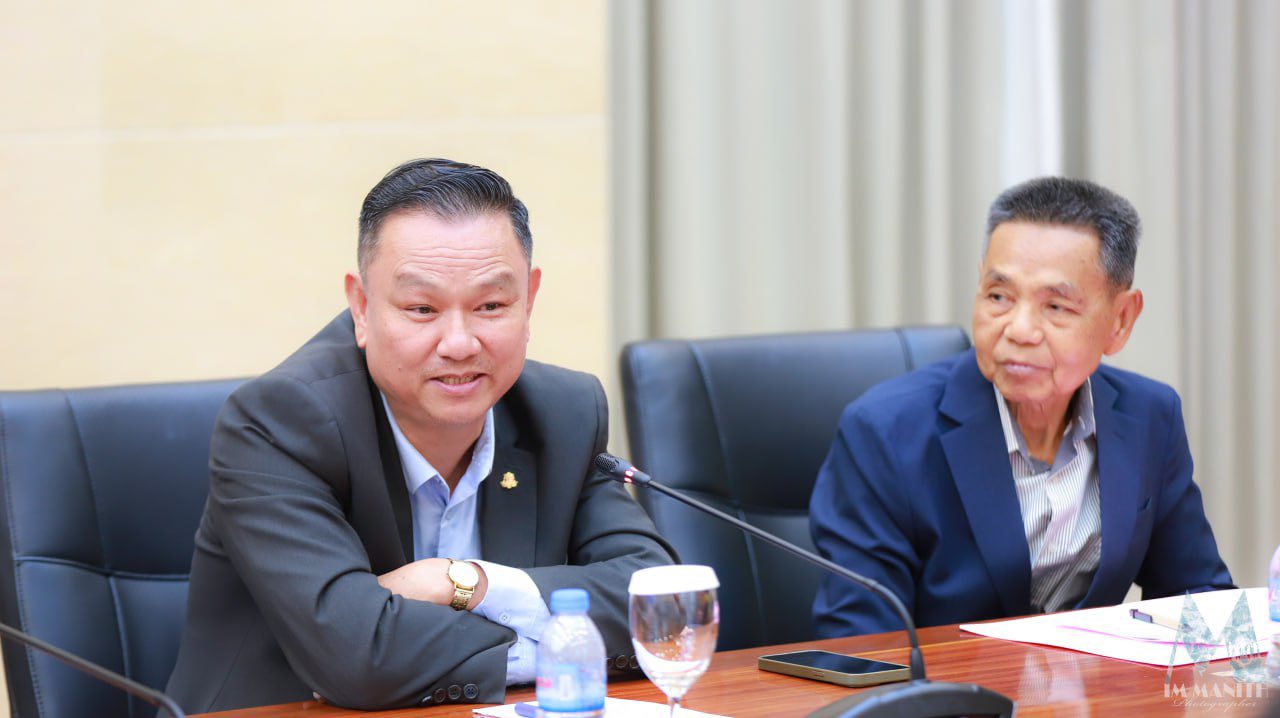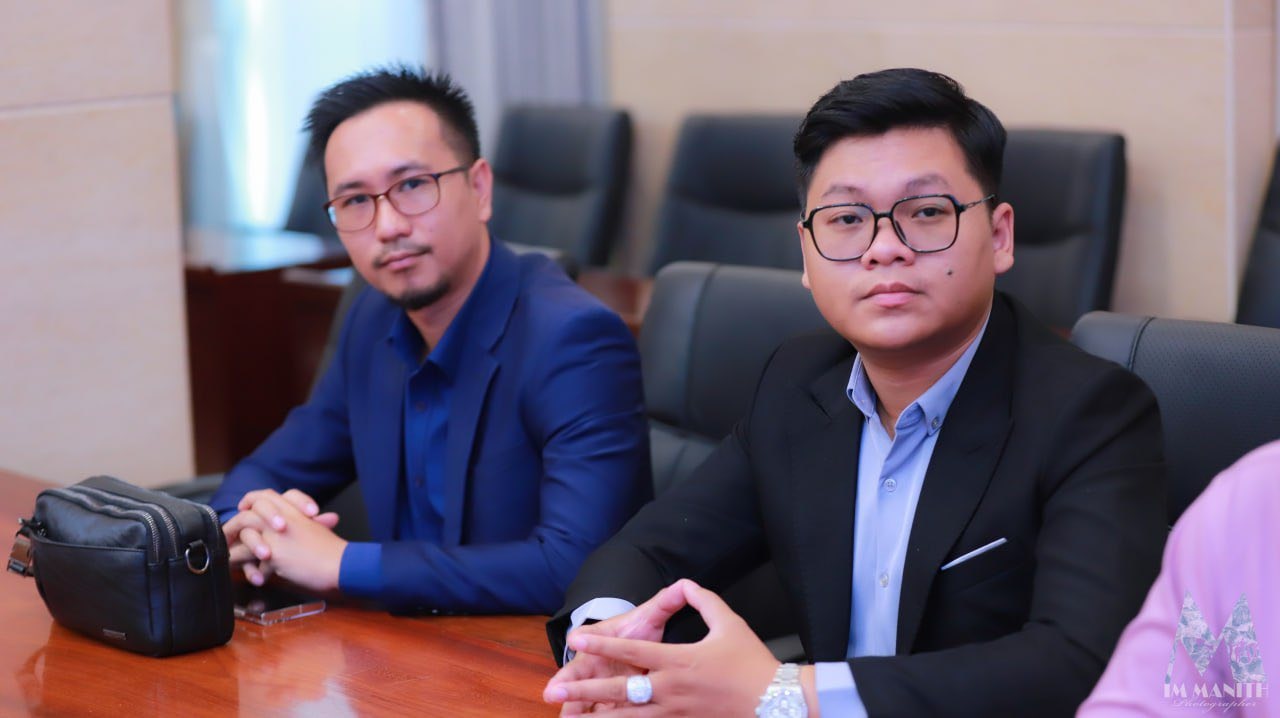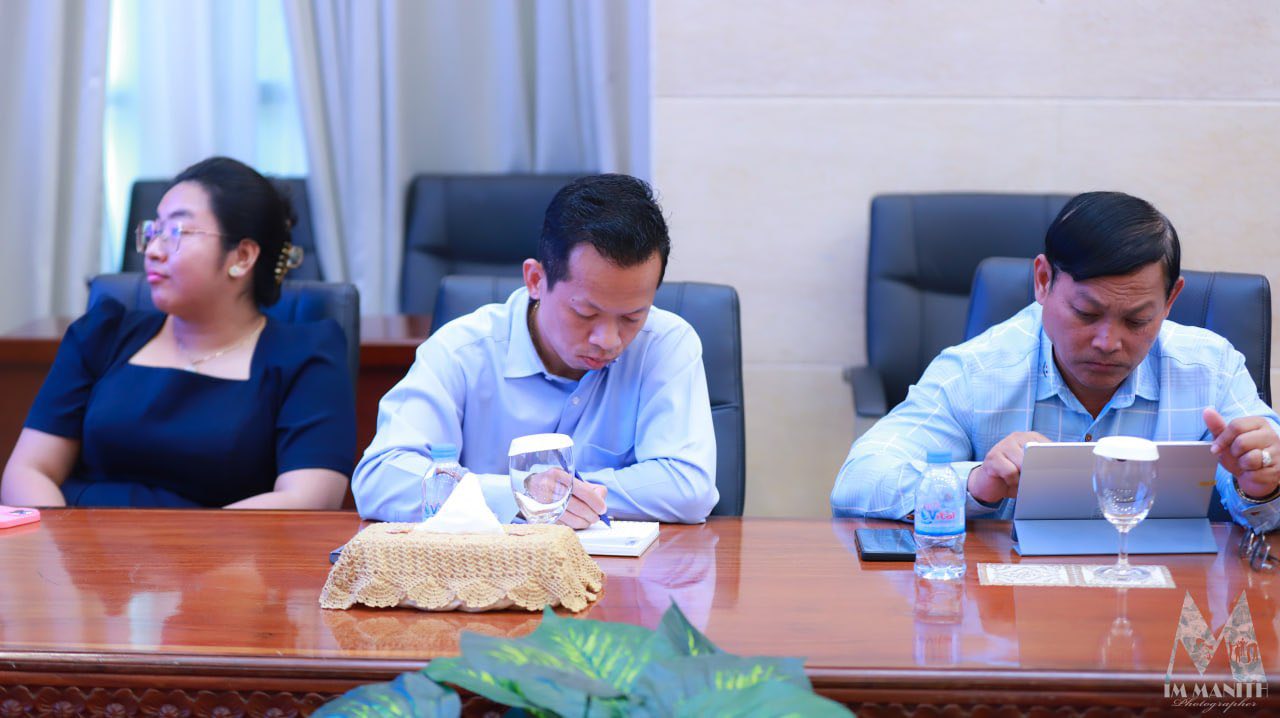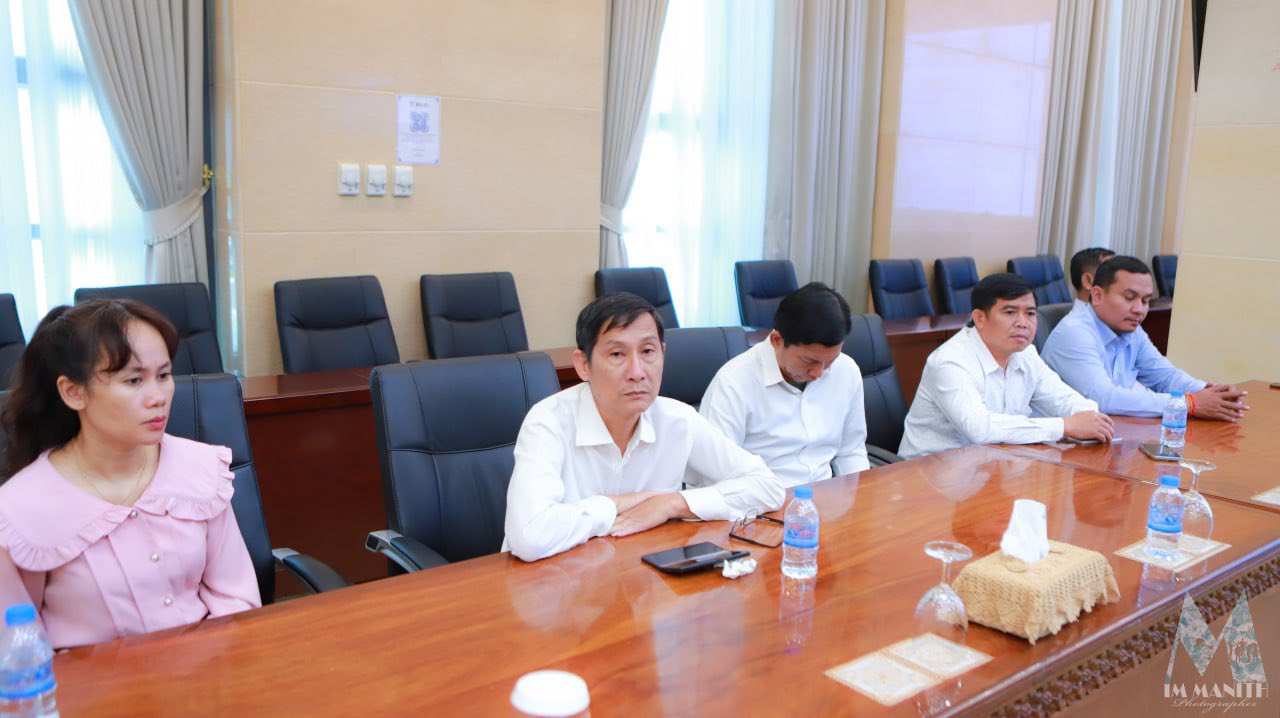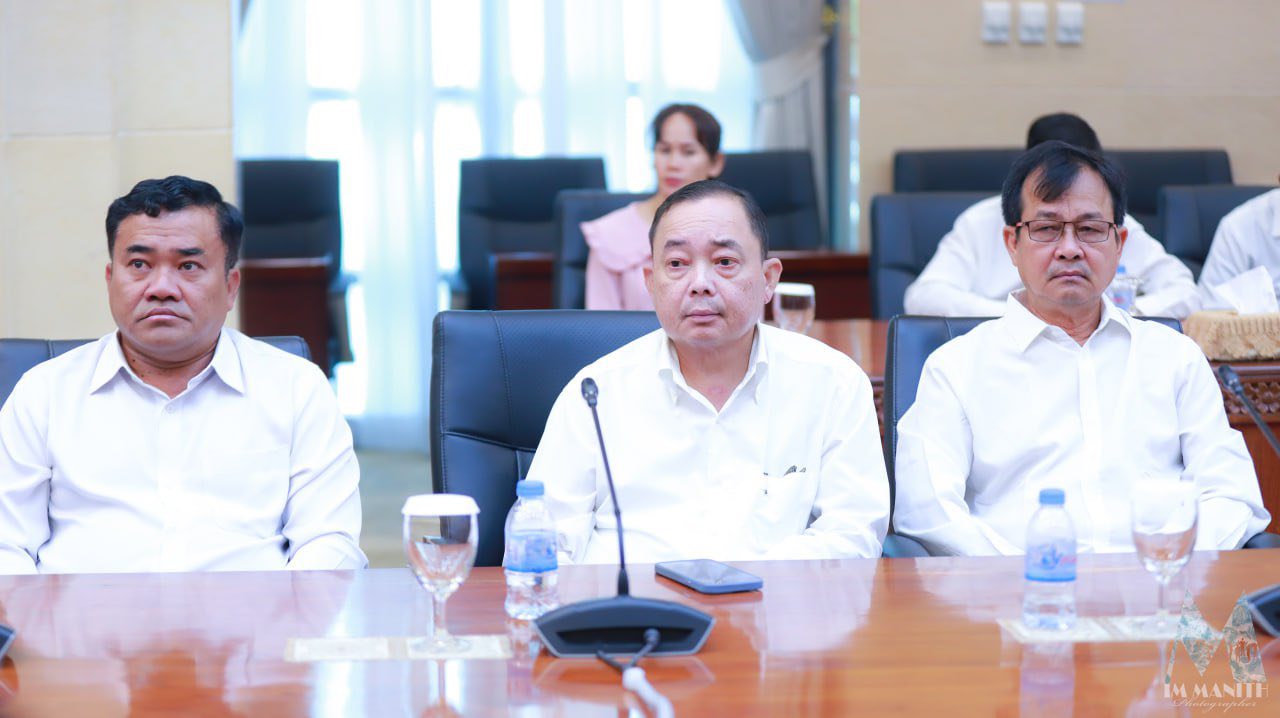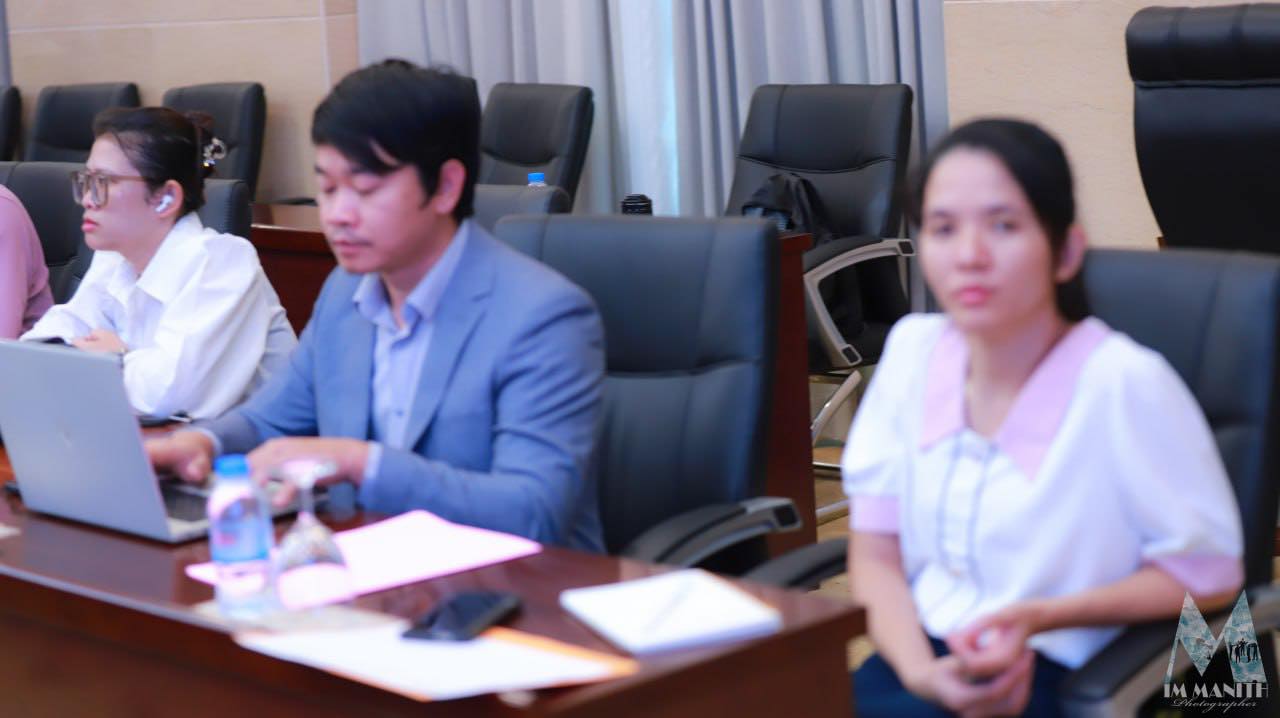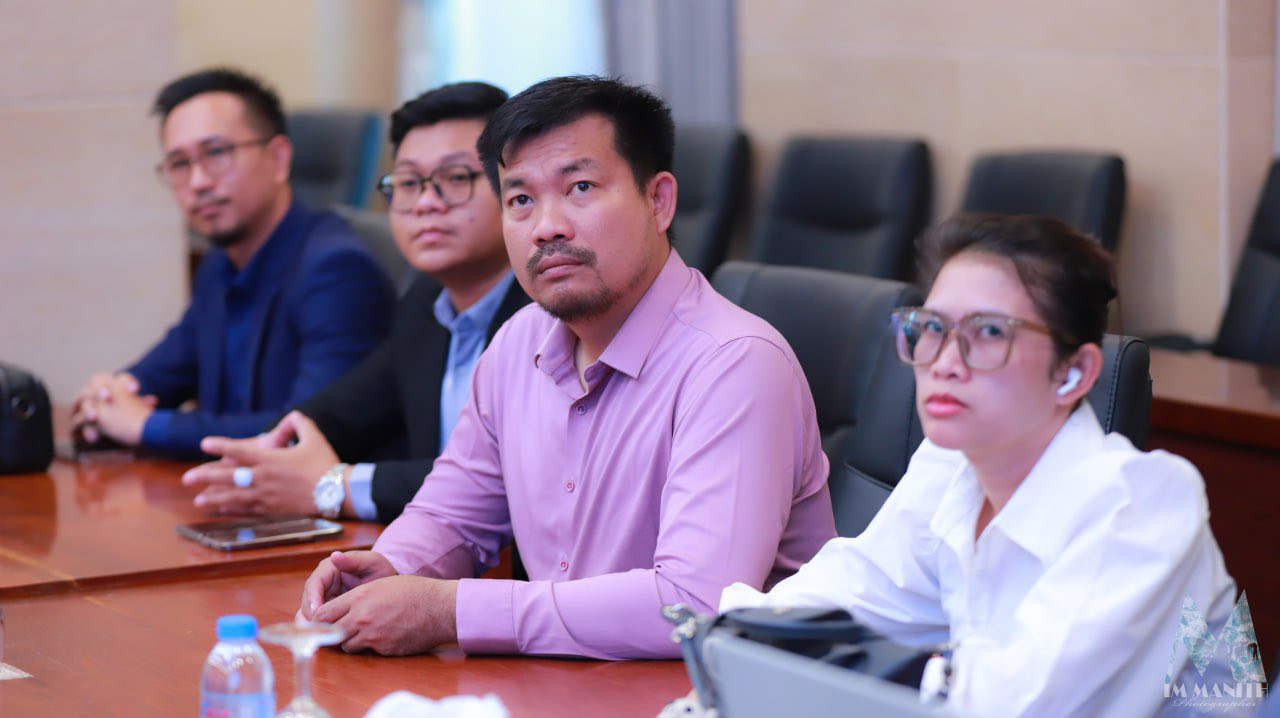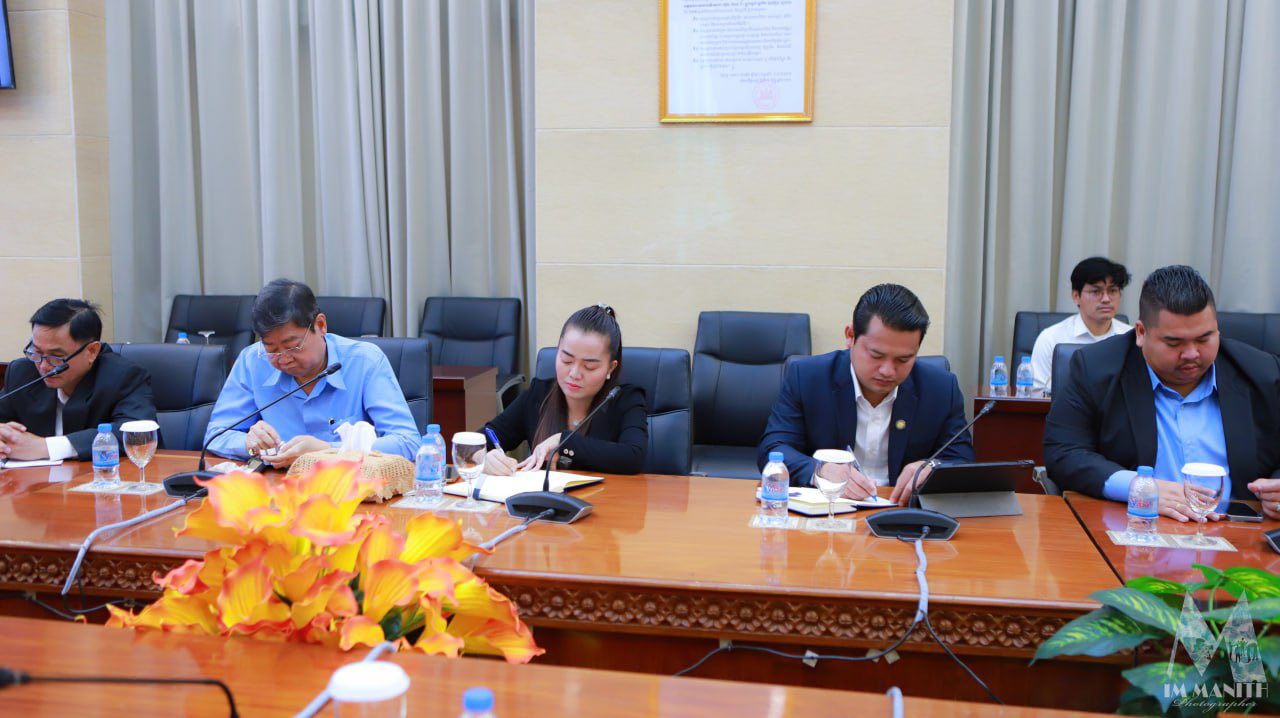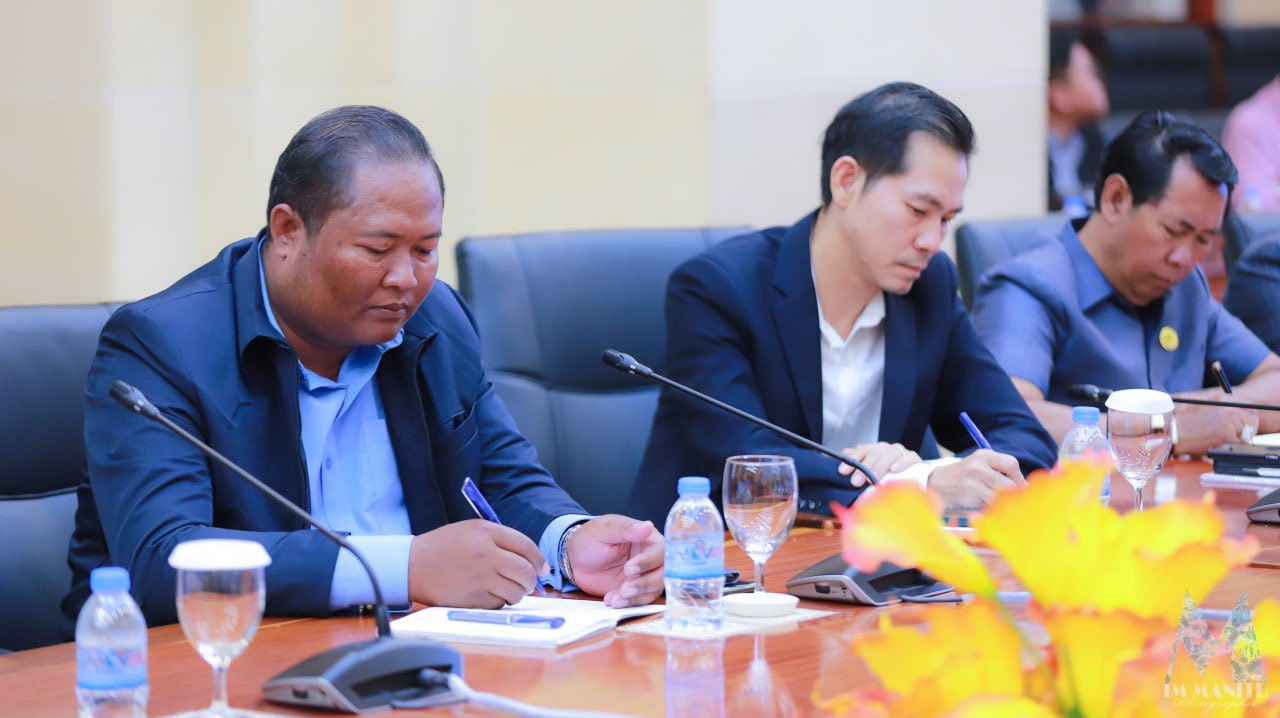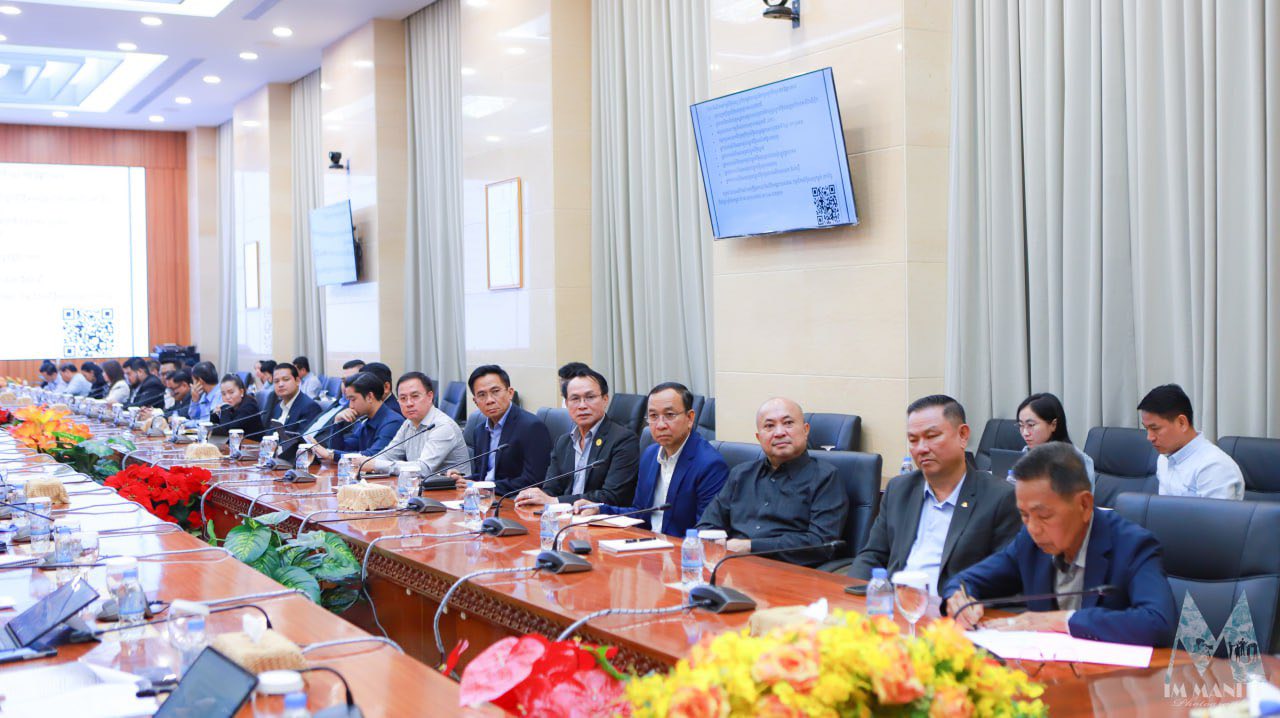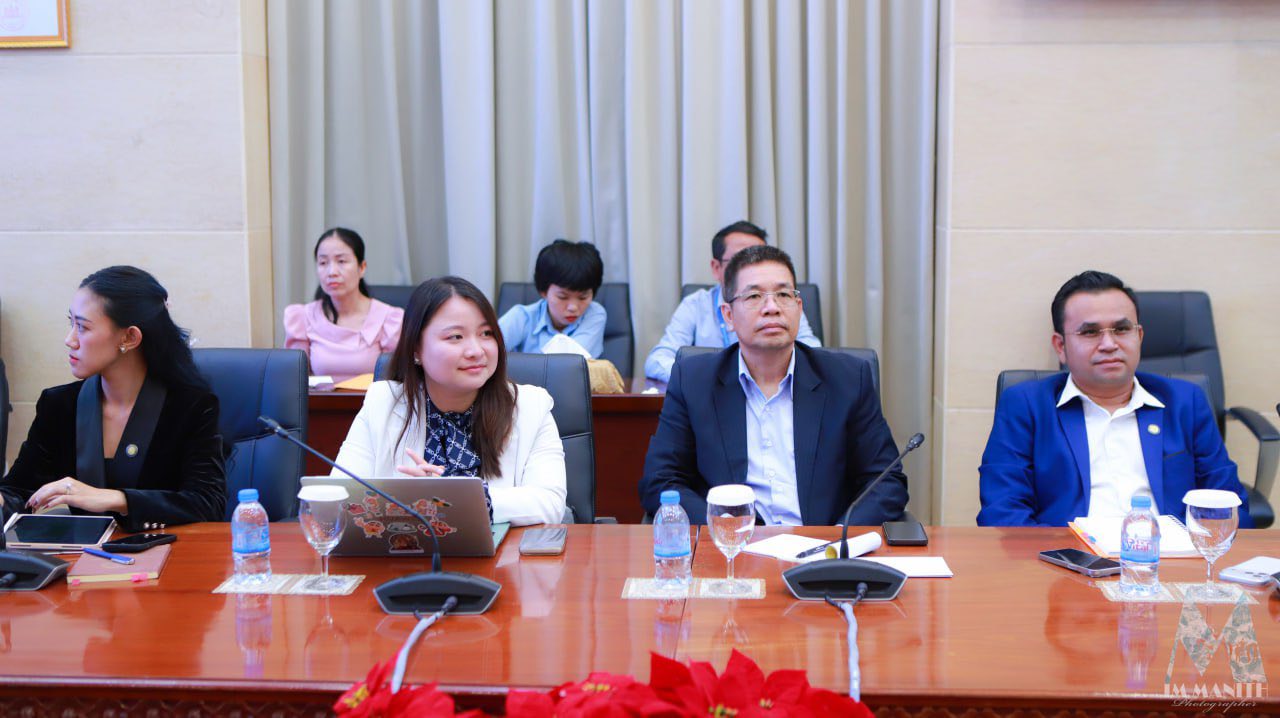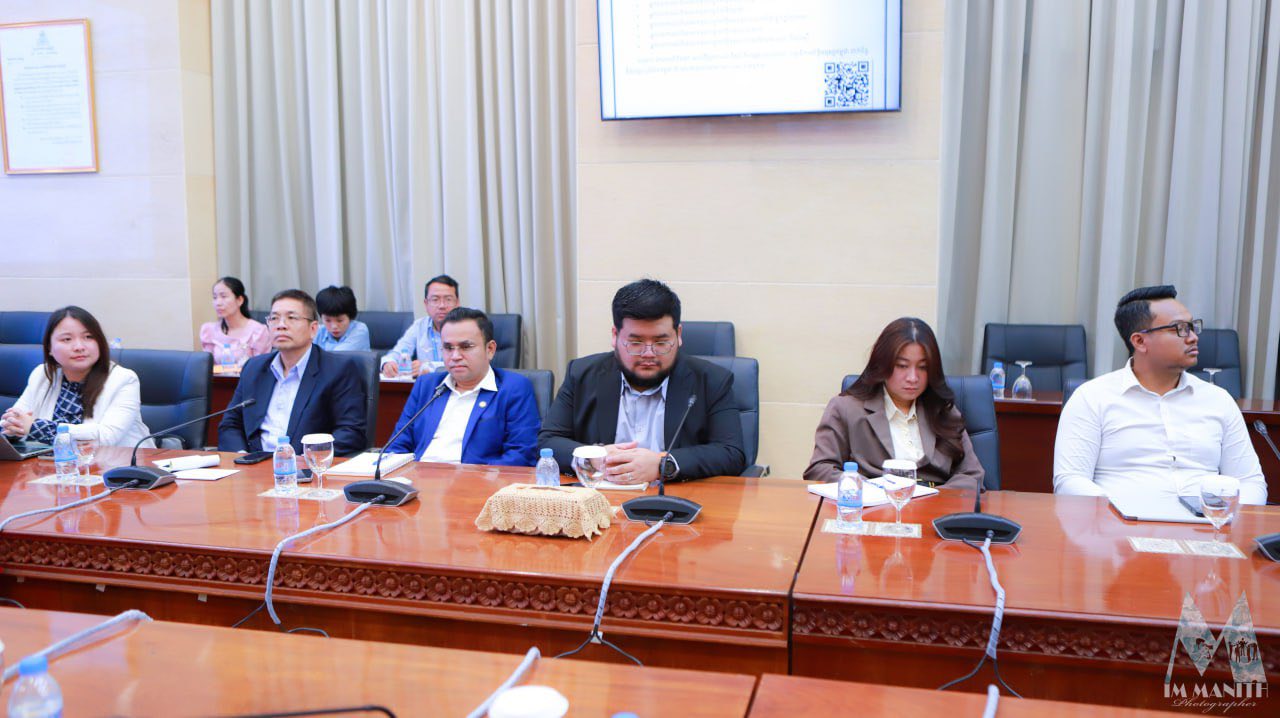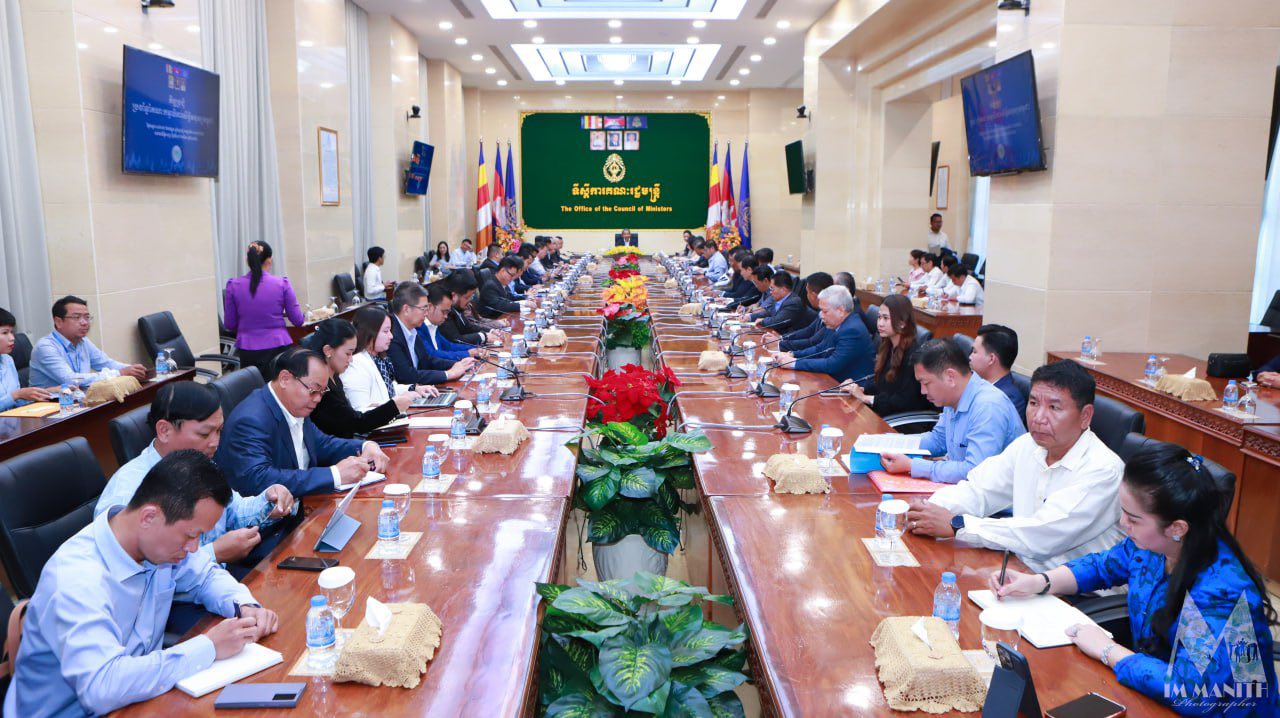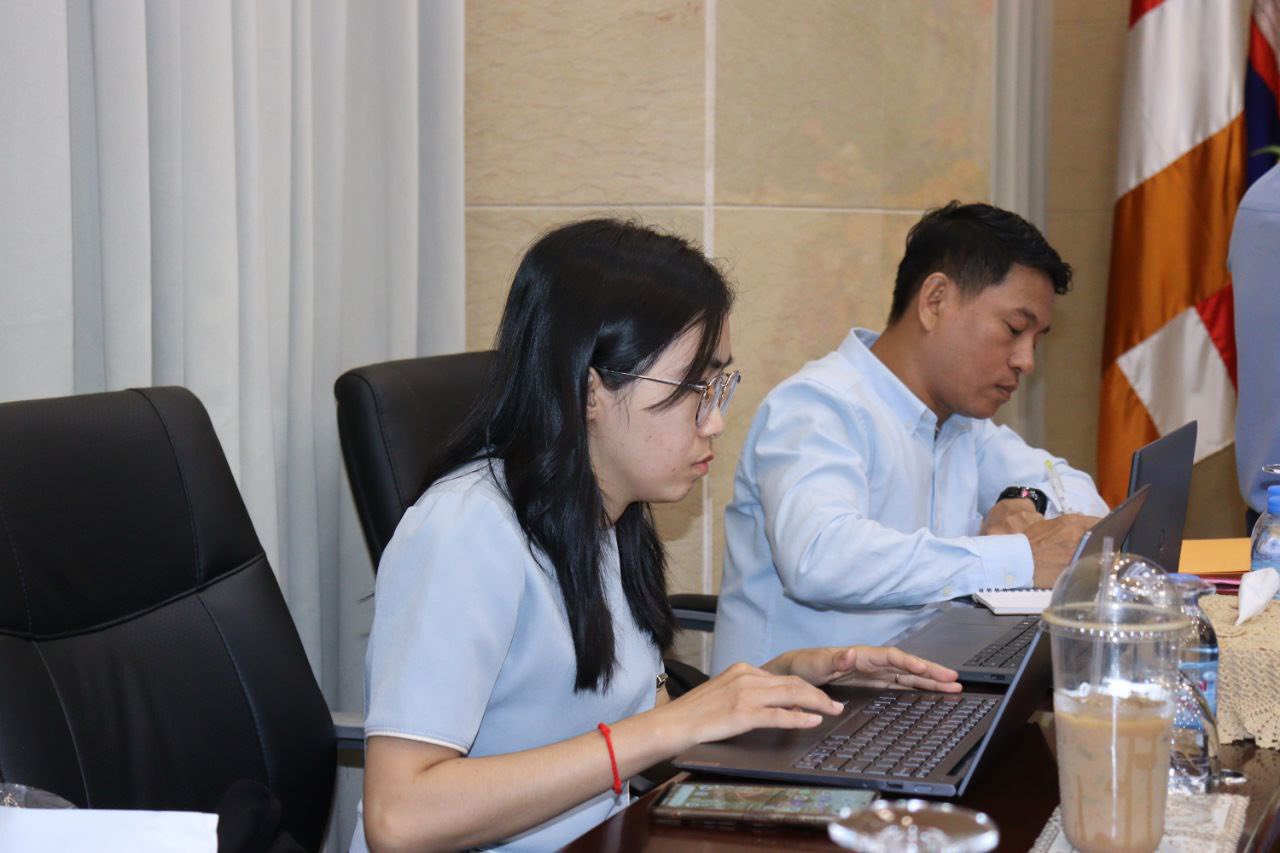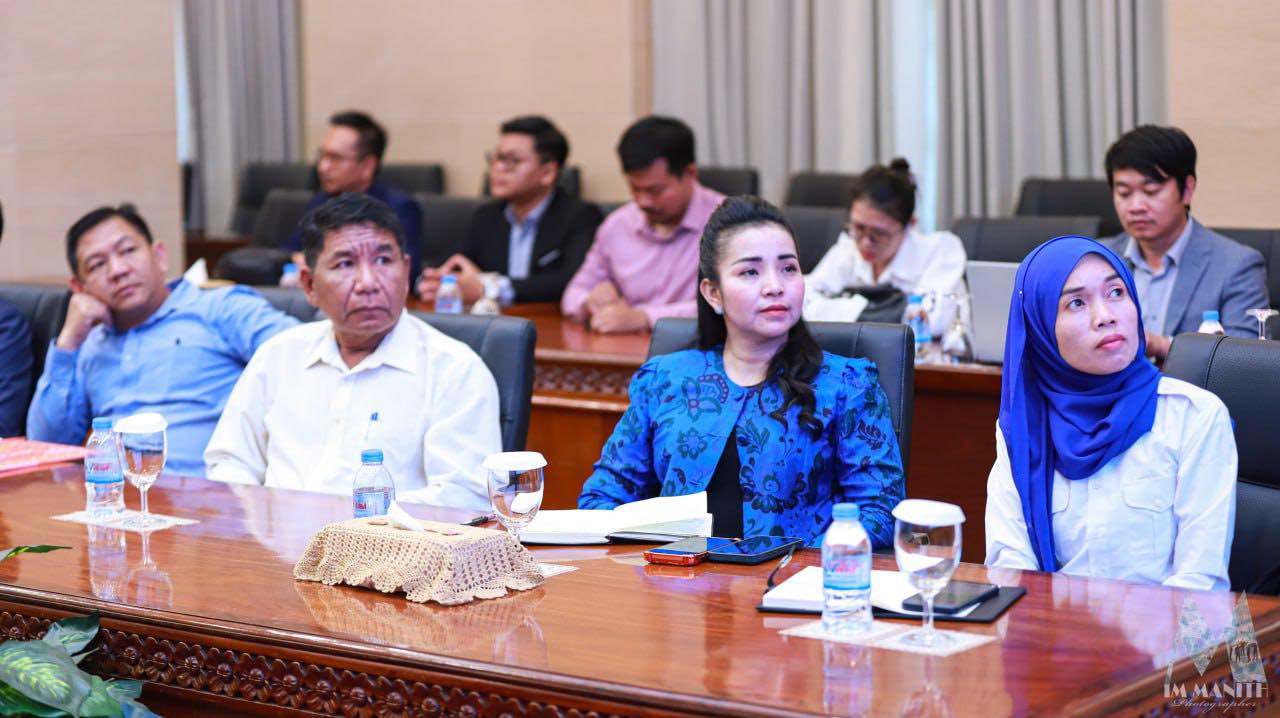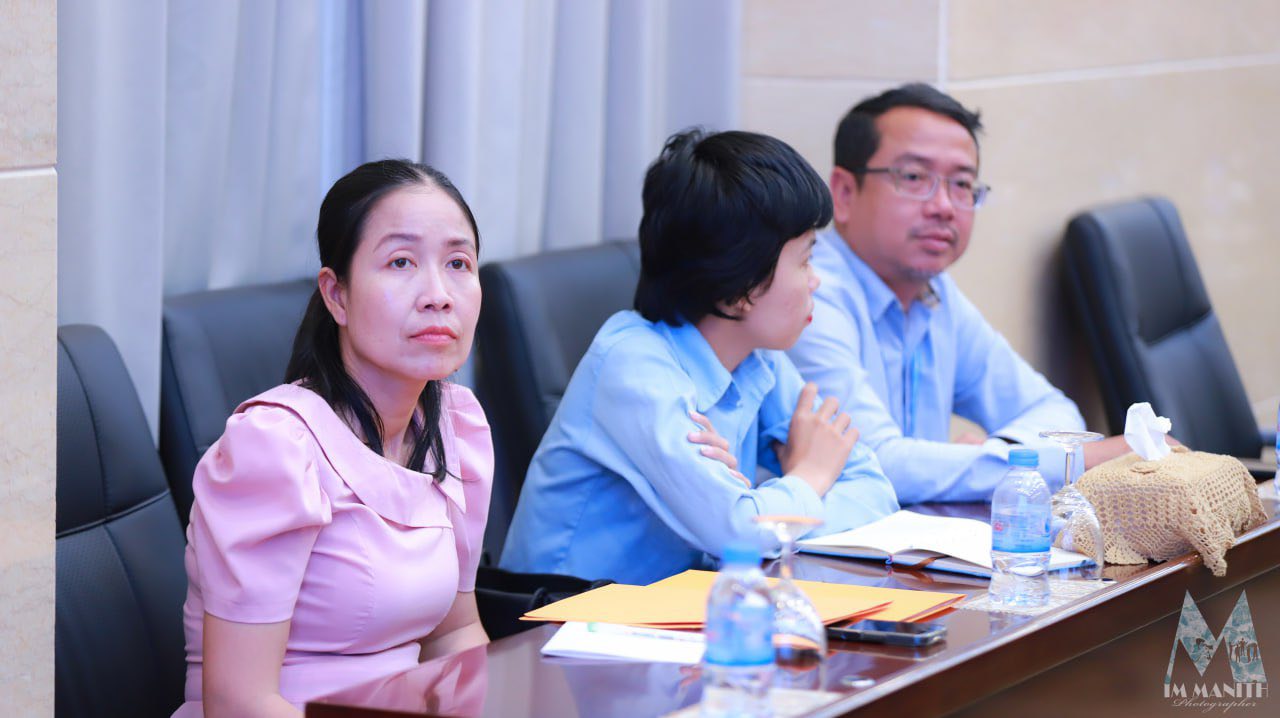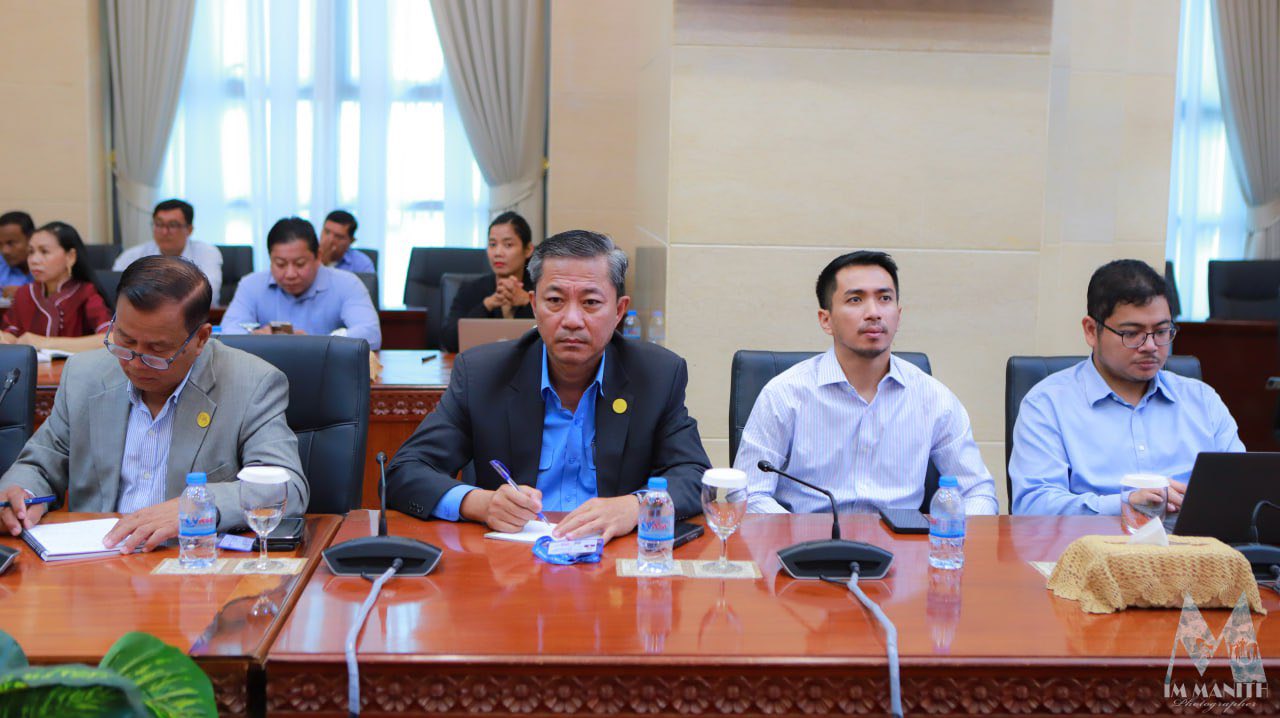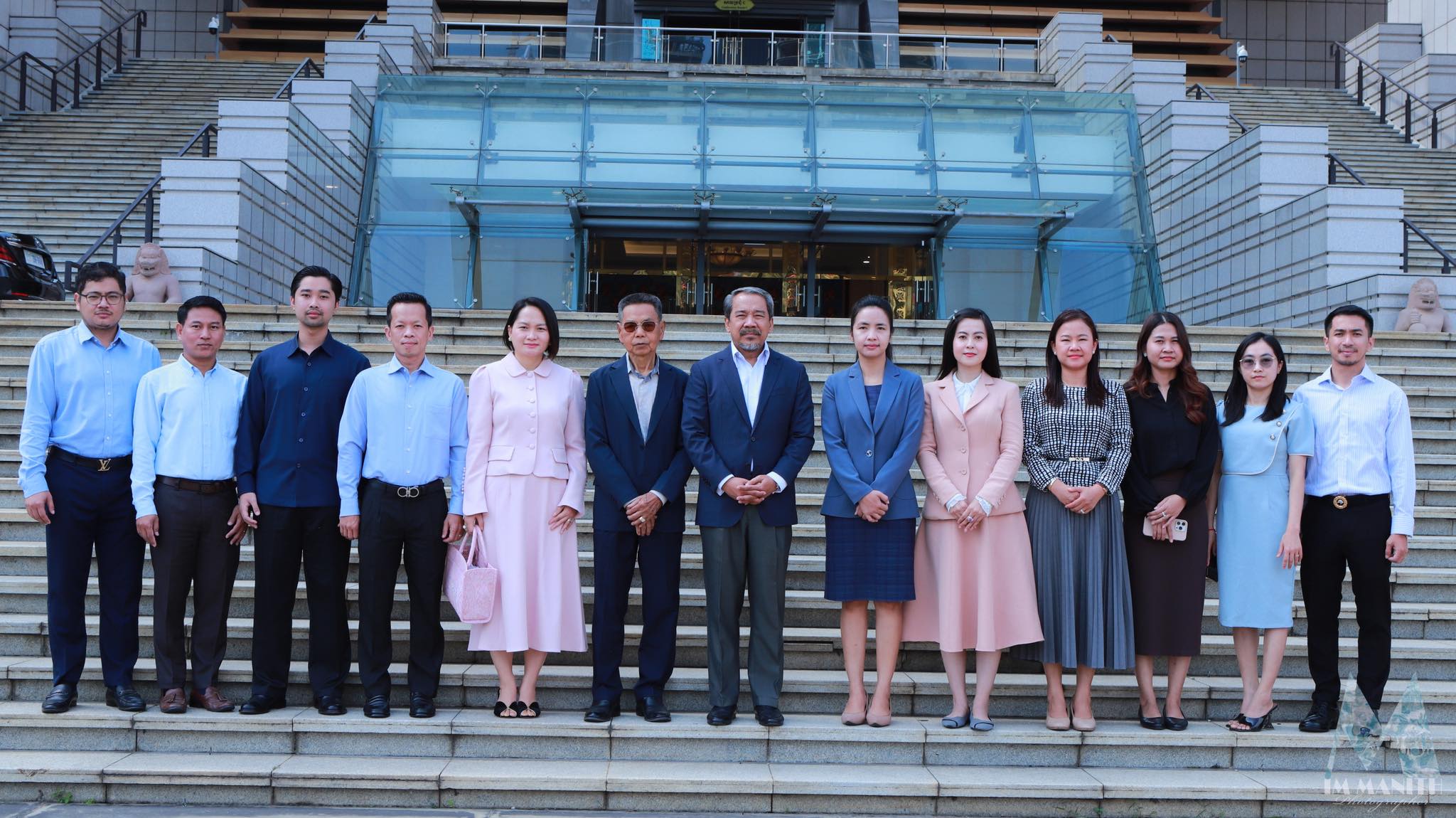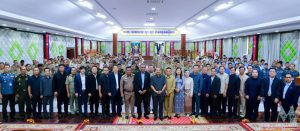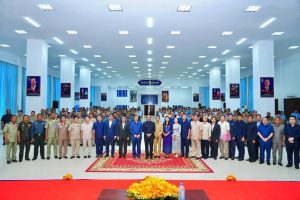
HE Keo Remy, Senior Minister, CHRC President, chaired the annual meeting, attended by CHRC dignitaries, civil servants, and volunteer lawyers.
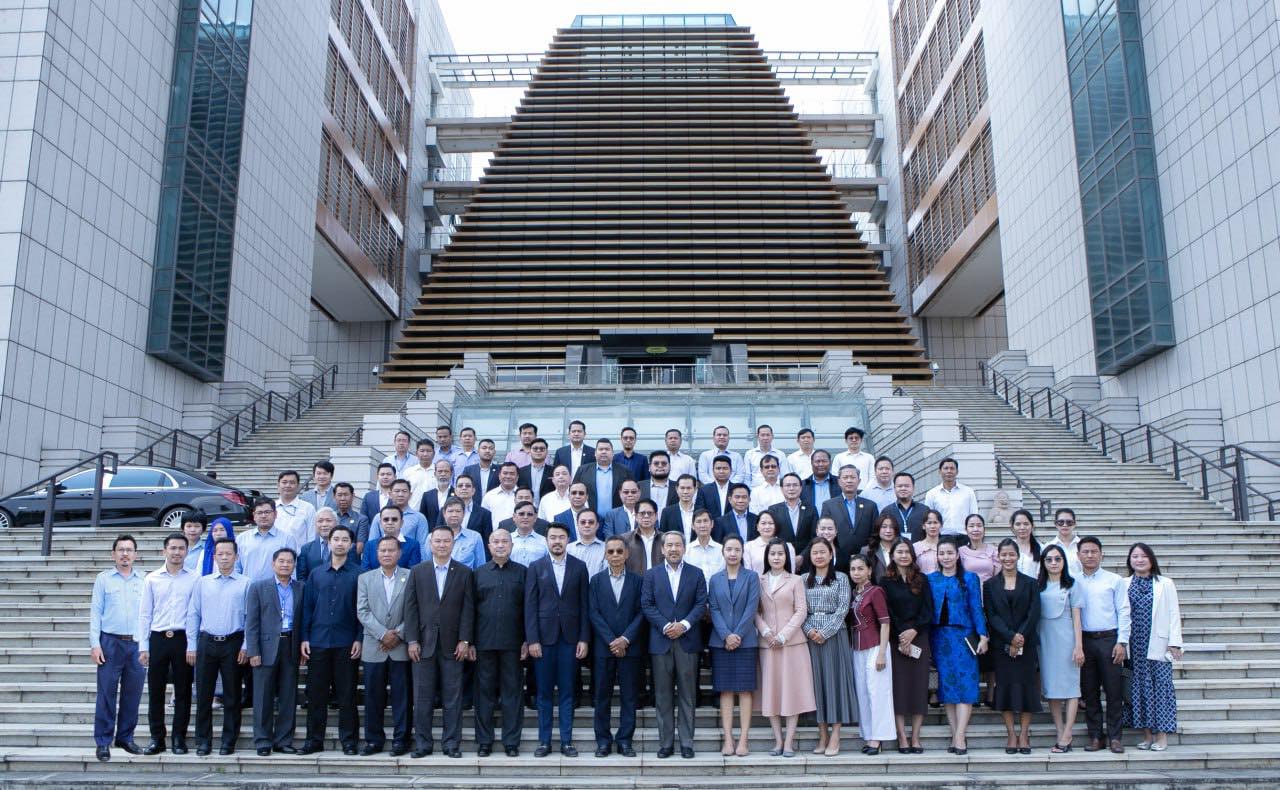 HE Keo Remy, Senior Minister, CHRC President, chaired the annual meeting, attended by CHRC dignitaries, civil servants, and volunteer lawyers.
On Tuesday morning, 17 March 2026, at the Office of the Council of Ministers, HE Keo Remy, Senior Minister, President of the Cambodian Human Rights Committee (CHRC), restated the Cambodian-Thai border conflict situation, highlighting Thai actions that gravely undermined Cambodia’s sovereignty and the human rights of its people. These included unilateral border closures, discrimination and violence against Cambodian workers, firing on Cambodian forces within Cambodian territory, high-decibel noise pollution harming civilians’ physical and mental health, and deploying heavy weapons—such as warplanes, cluster bombs, and toxic fumes—to strike deep into Cambodian territory.
He also pointed out the ongoing occupation of Cambodian land, the placement of containers and barbed wire, the destruction and plundering of private and public property, the demolition of cultural sites and statues, and the building of new infrastructure and structures aimed at establishing a fait accompli. These actions have blocked tens of thousands of refugees from returning home, despite the joint statement issued on 27 December 2025.
At the same time, HE [Keo Remy,] Senior Minister, further emphasised the CHRC’s active involvement alongside the Royal Government of Cambodia in safeguarding civilians’ rights and freedoms, as well as Cambodia’s territorial integrity. This included issuing condemnation petitions, submitting complaints to regional and international human rights bodies (totaling 60 documents), and conducting 10 visits to deliver aid to refugees, soldiers, and their families.
He affirmed that the Royal Government of Cambodia stays resolute in peacefully resolving border disputes through international law and valid bilateral agreements. Submitting successive petitions against Thailand’s unlawful territorial encroachments and occupations aligns with international law and demonstrates Cambodia’s refusal to consent to or acknowledge these violations. That said, all global legal processes demand time to adhere to their procedures.
Meanwhile, HE [Keo Remy,] Senior Minister, also reviewed the CHRC’s 2025 activities and proposed several tasks to boost operational efficiency: delivering legal services and volunteer lawyers, handling complaints, distributing national human rights reports, monitoring conditions in prisons and correctional centres nationwide, probing and researching human rights violations, promoting legal and human rights education, advancing ASEAN Intergovernmental Commission on Human Rights (AICHR) efforts, fostering international cooperation, and building capacity.
The meeting ended with a shared commitment from CHRC dignitaries, civil servants, and volunteer lawyers to keep enhancing work efficiency, sustain existing accomplishments, and achieve new milestones in advancing, safeguarding, and fulfilling human rights in Cambodia—while steadfastly trusting and backing the Royal Government of Cambodia in defending territorial integrity and national development.