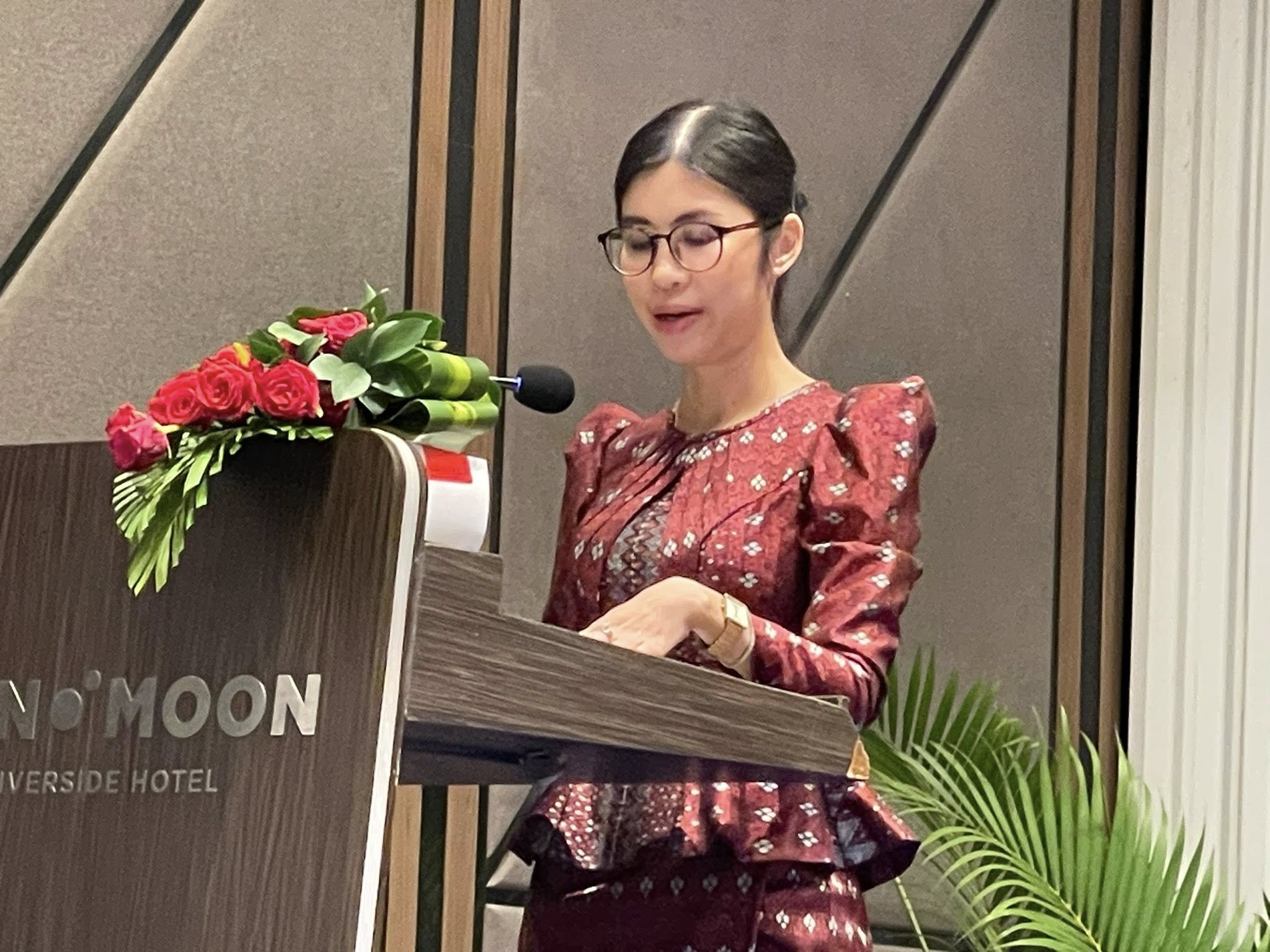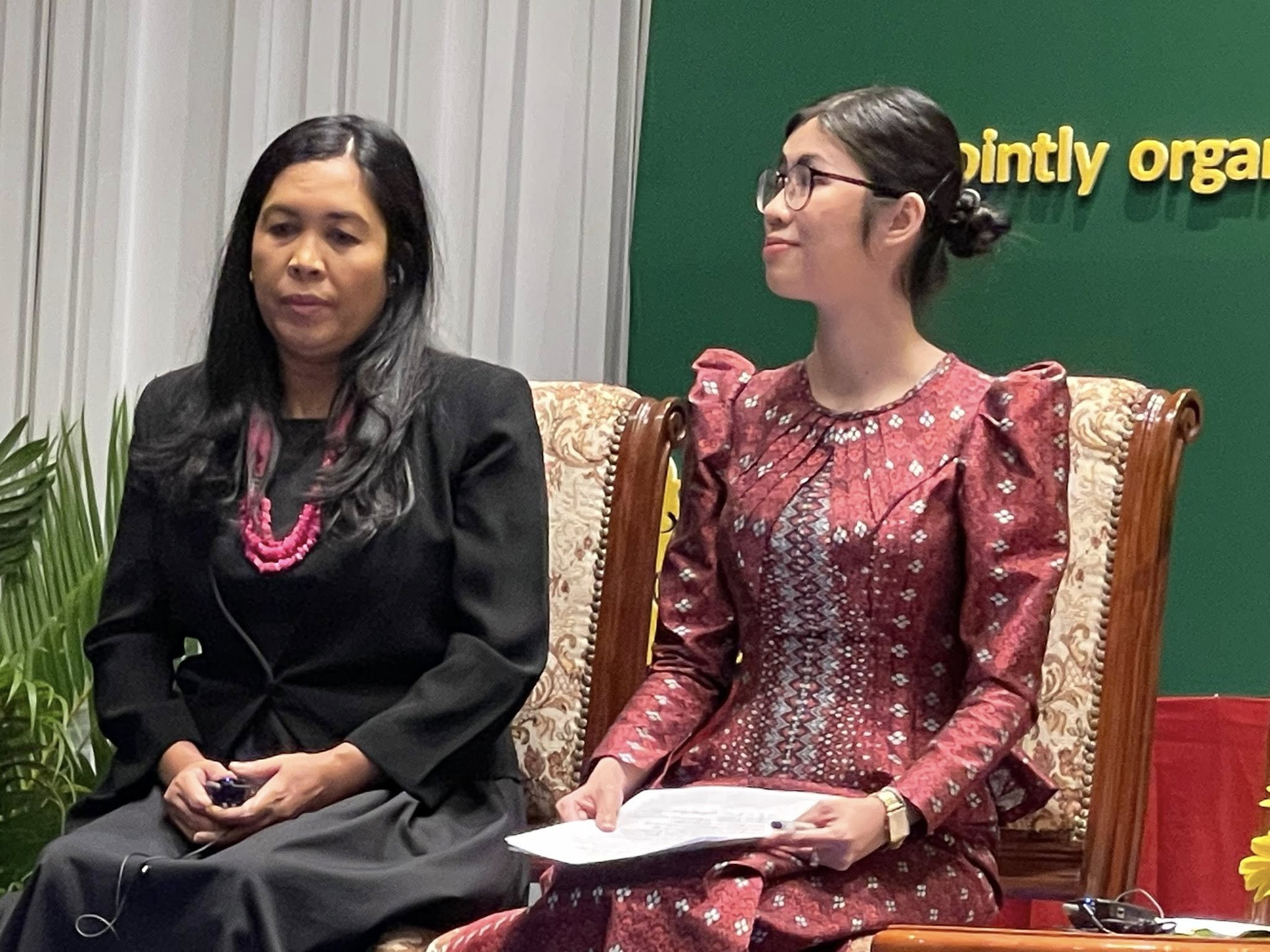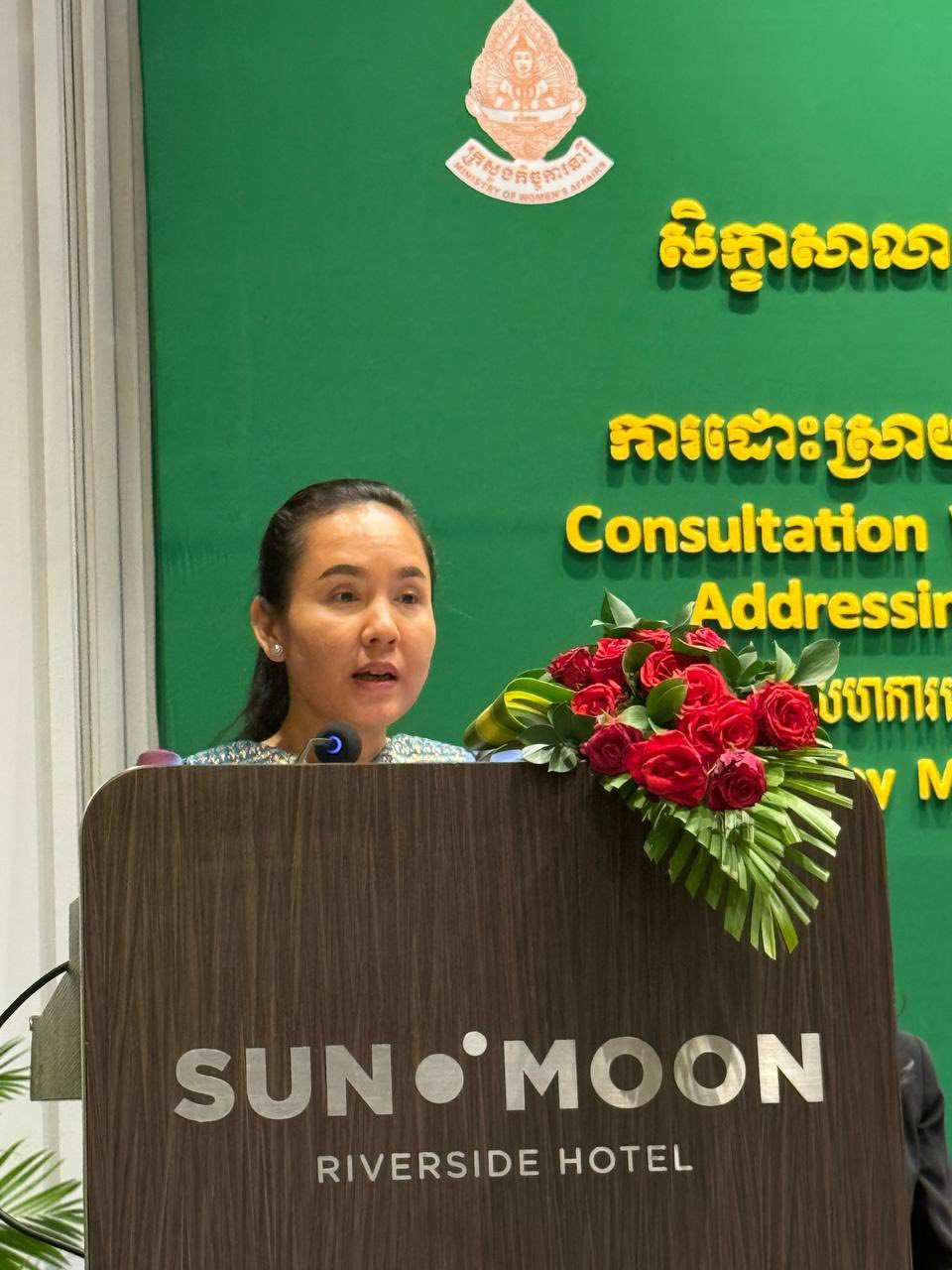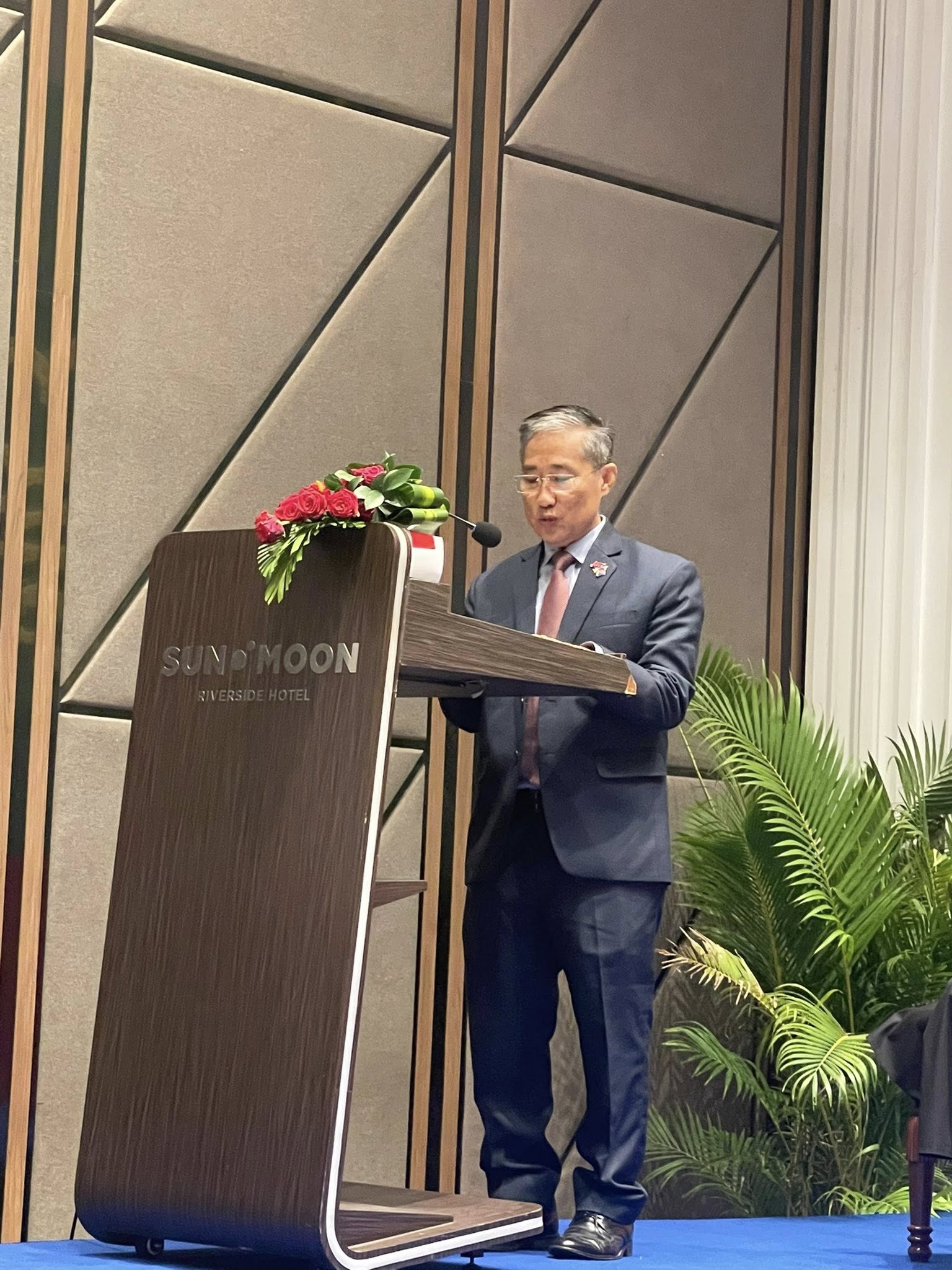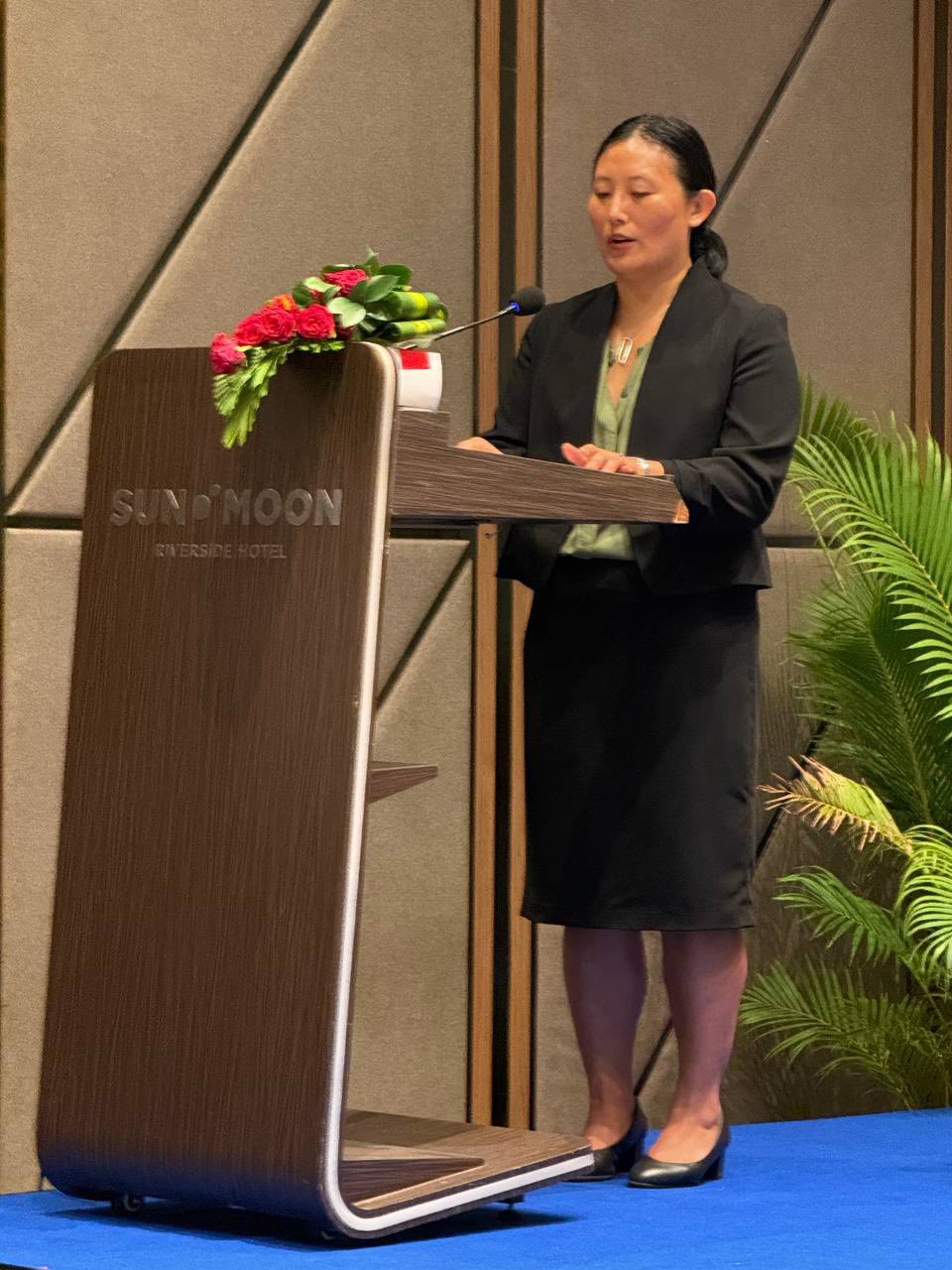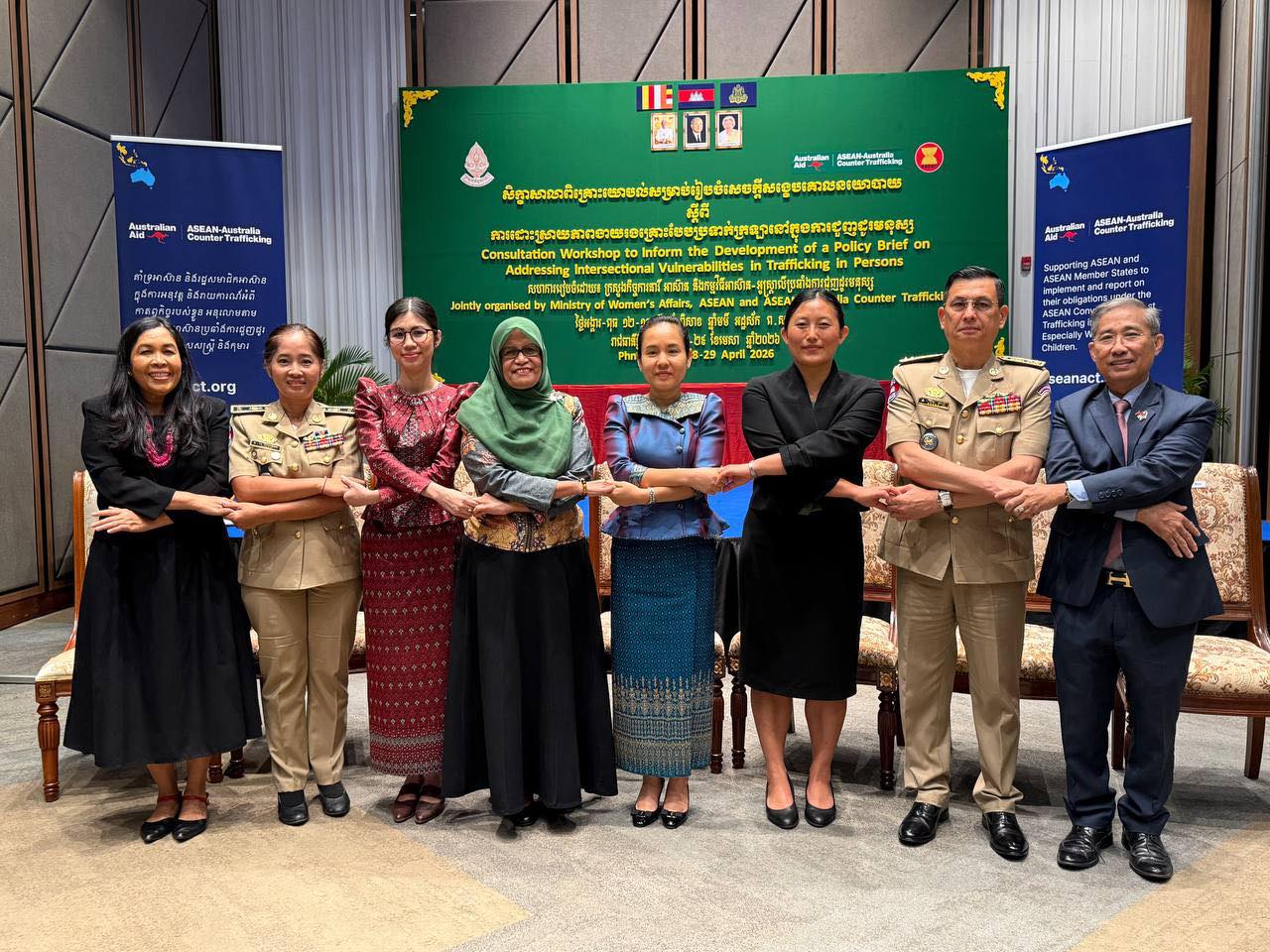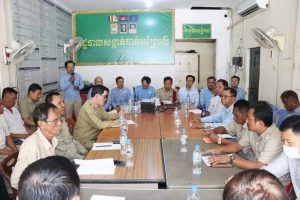
HE Long Sonita delivered opening remarks at the “Consultative Workshop to Inform the Preparation of Policy Brief on Addressing Cross-Sectional Vulnerabilities in Human Trafficking.”
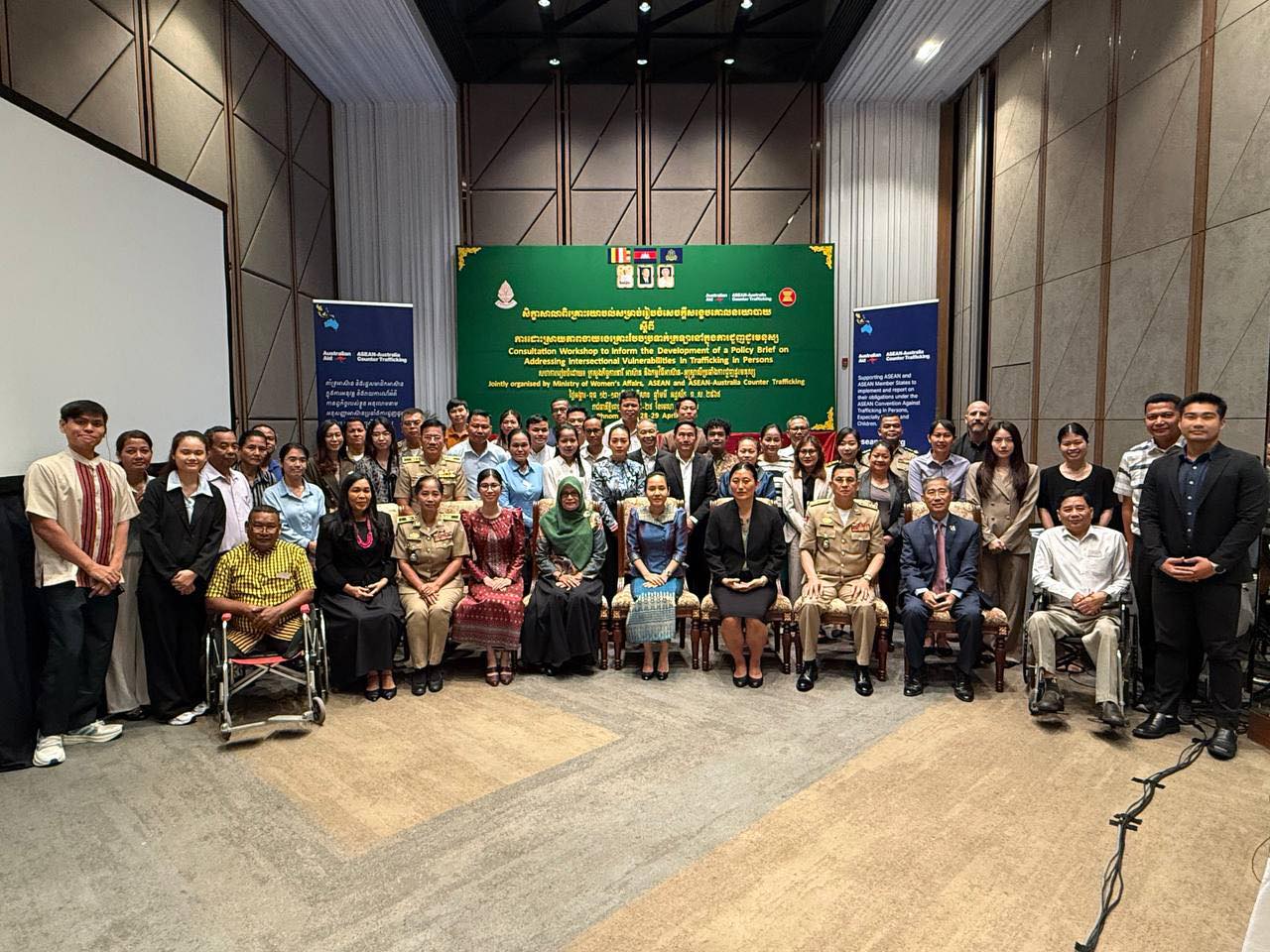 HE Long Sonita delivered opening remarks at the “Consultative Workshop to Inform the Preparation of Policy Brief on Addressing Cross-Sectional Vulnerabilities in Human Trafficking.”
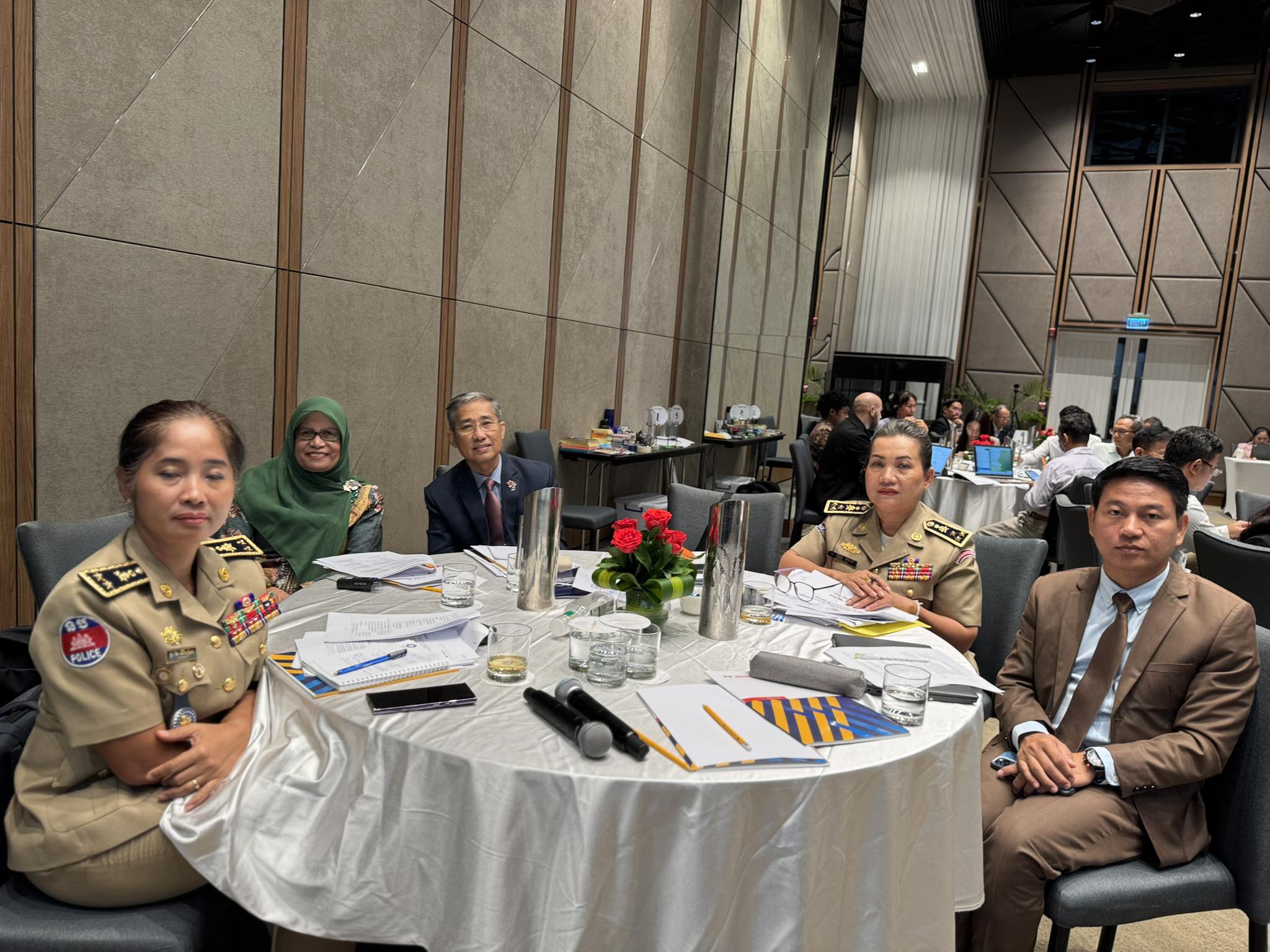
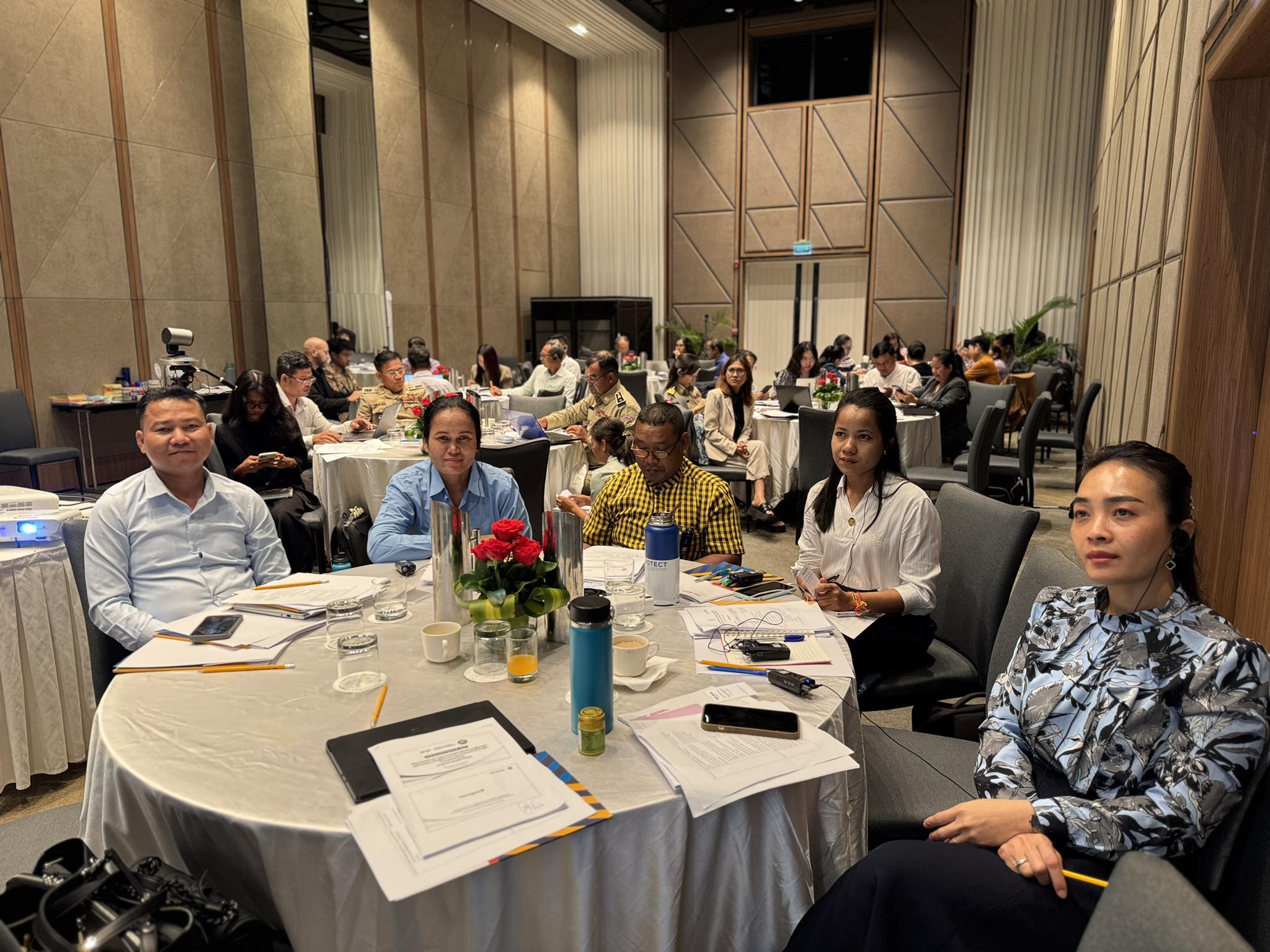
Representing HE Keo Remy, Senior Minister, President of the Cambodian Human Rights Committee (CHRC) and Cambodia’s Representative to the ASEAN Intergovernmental Commission on Human Rights (AICHR), HE Long Sonita, CHRC Vice President, presided over the opening ceremony of the “Consultative Workshop to Inform the Preparation of Policy Brief on Addressing Cross-Sectional Vulnerabilities in Human Trafficking” on the morning of 28 April 2026 at Sun & Moon Riverside Hotel.
On that occasion, she noted that human trafficking remains a grave social issue that undermines people’s rights, safety, and dignity—particularly affecting women, children, and vulnerable groups. Meanwhile, Cambodia has taken proactive steps to combat it by bolstering institutional and legal frameworks along with other mechanisms. Yet, the challenge persists in its complexity and evolution, calling for collaborative efforts from all stakeholders to keep developing solutions.
She further explained that “cross-sectional vulnerability” refers to a person’s heightened risk from overlapping factors like poverty, sex, gender, age, education, employment status, migration, or lack of socio-economic protections. These elements interconnect, amplifying overall susceptibility. As a result, policies must remain adaptable and tailored to the specific needs of diverse vulnerable groups.
She also emphasised [Cambodia’s] active role within the ASEAN framework, where ASEAN has released guidelines for applying the non-punishment principle to safeguard trafficking victims—crucial for preventing penalties on crimes they were coerced into committing. Putting this principle into practice, alongside collaboration among stakeholders, will advance human rights and boost efforts to fight human trafficking.