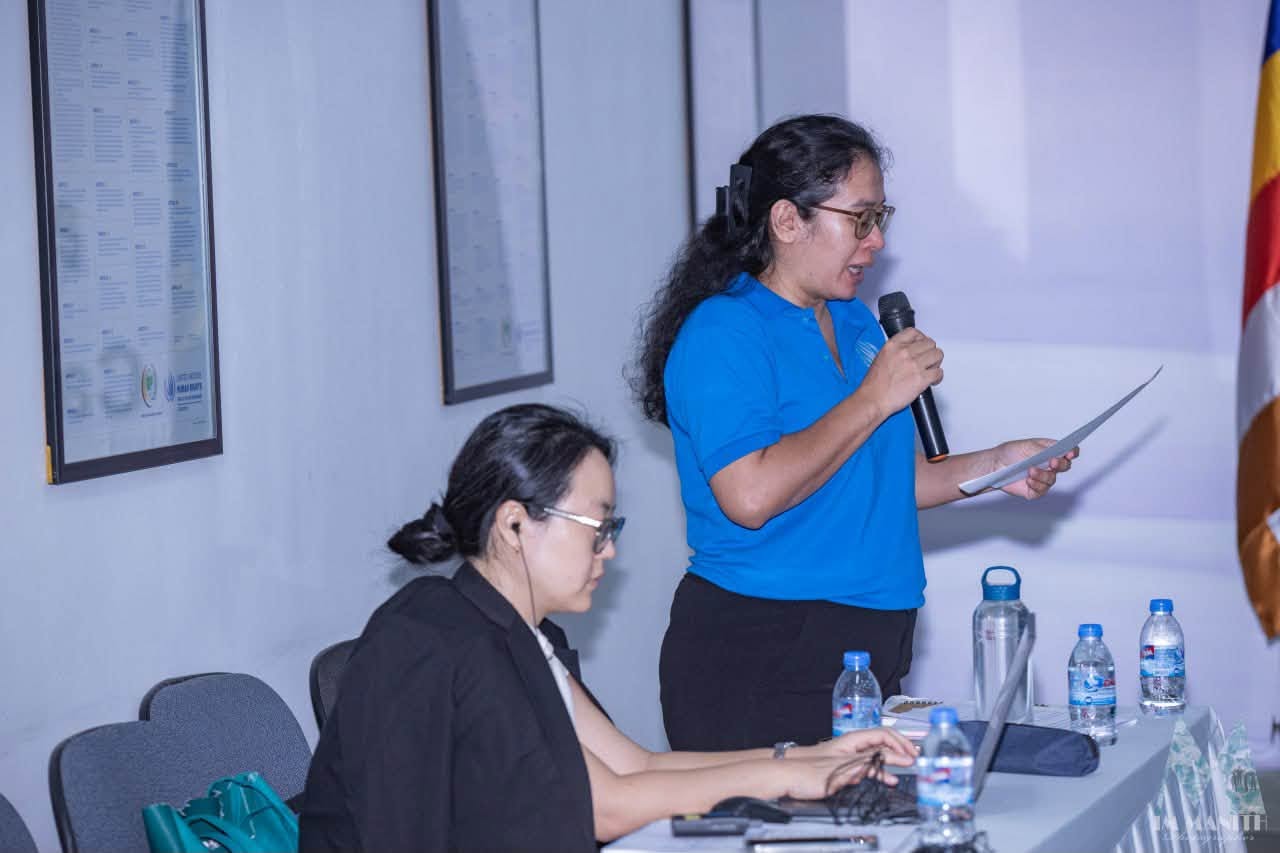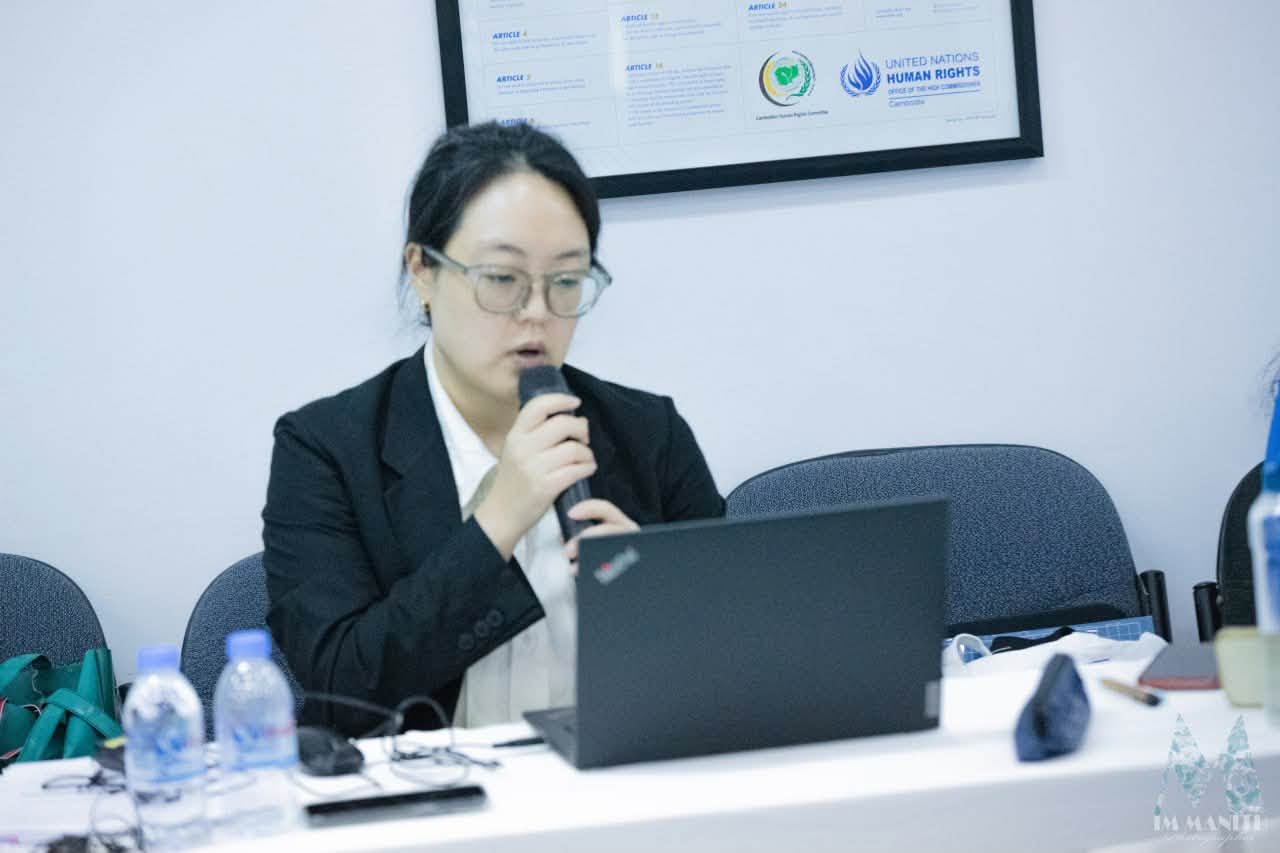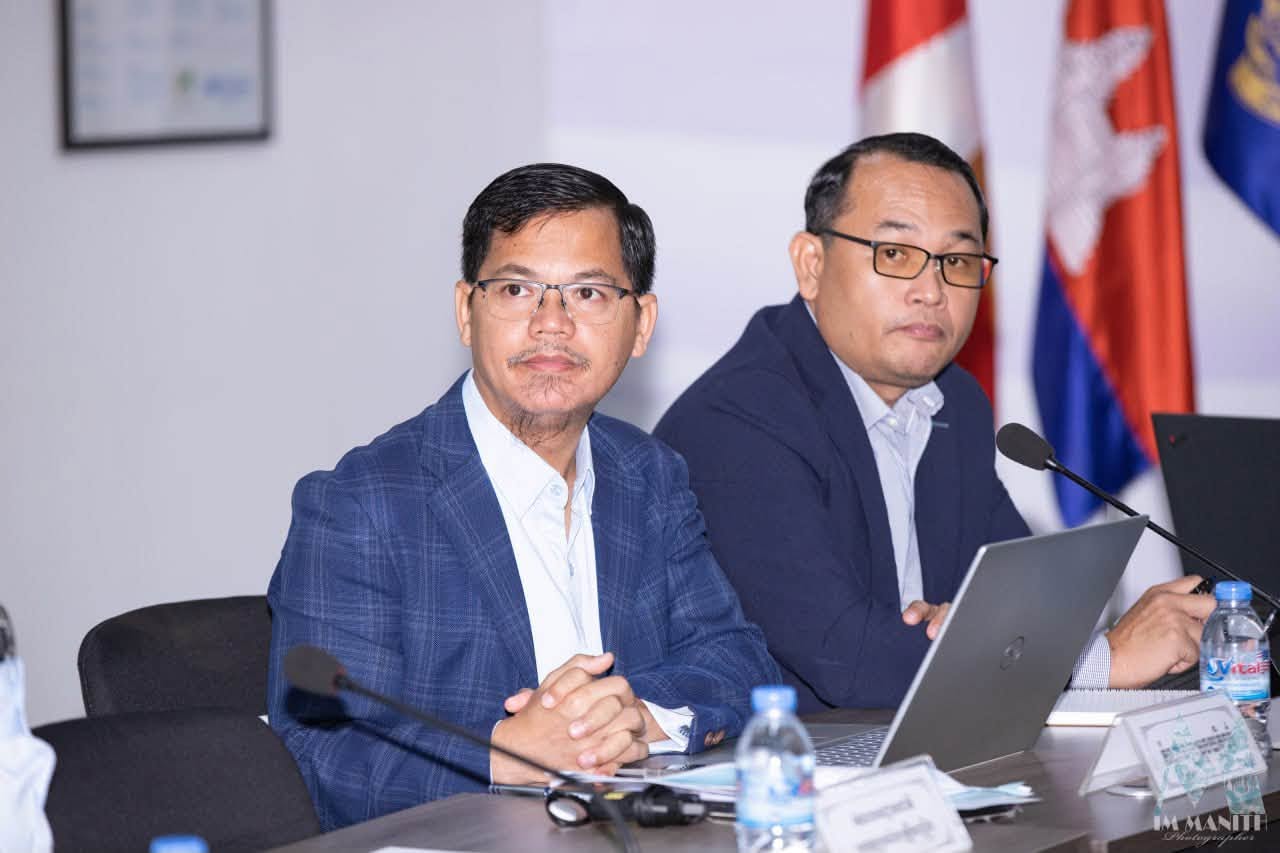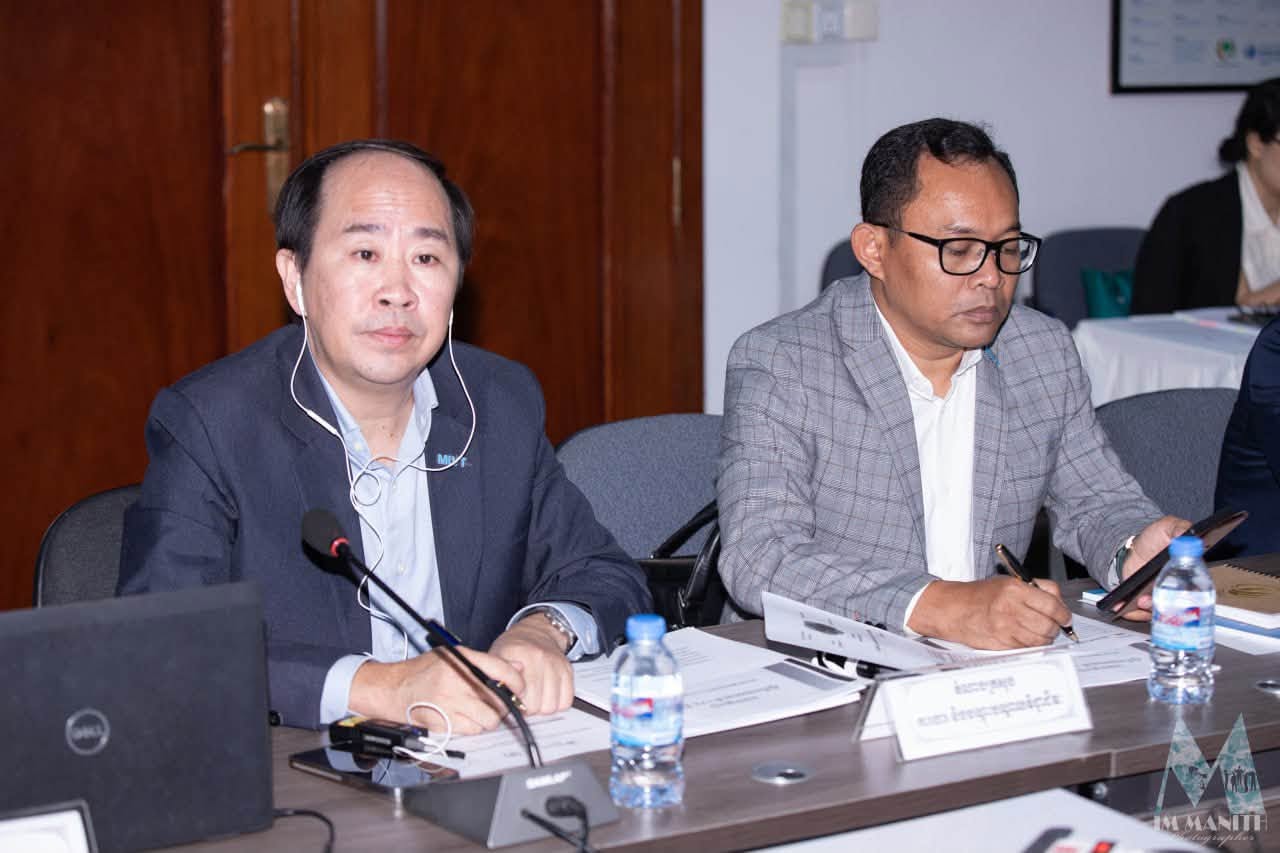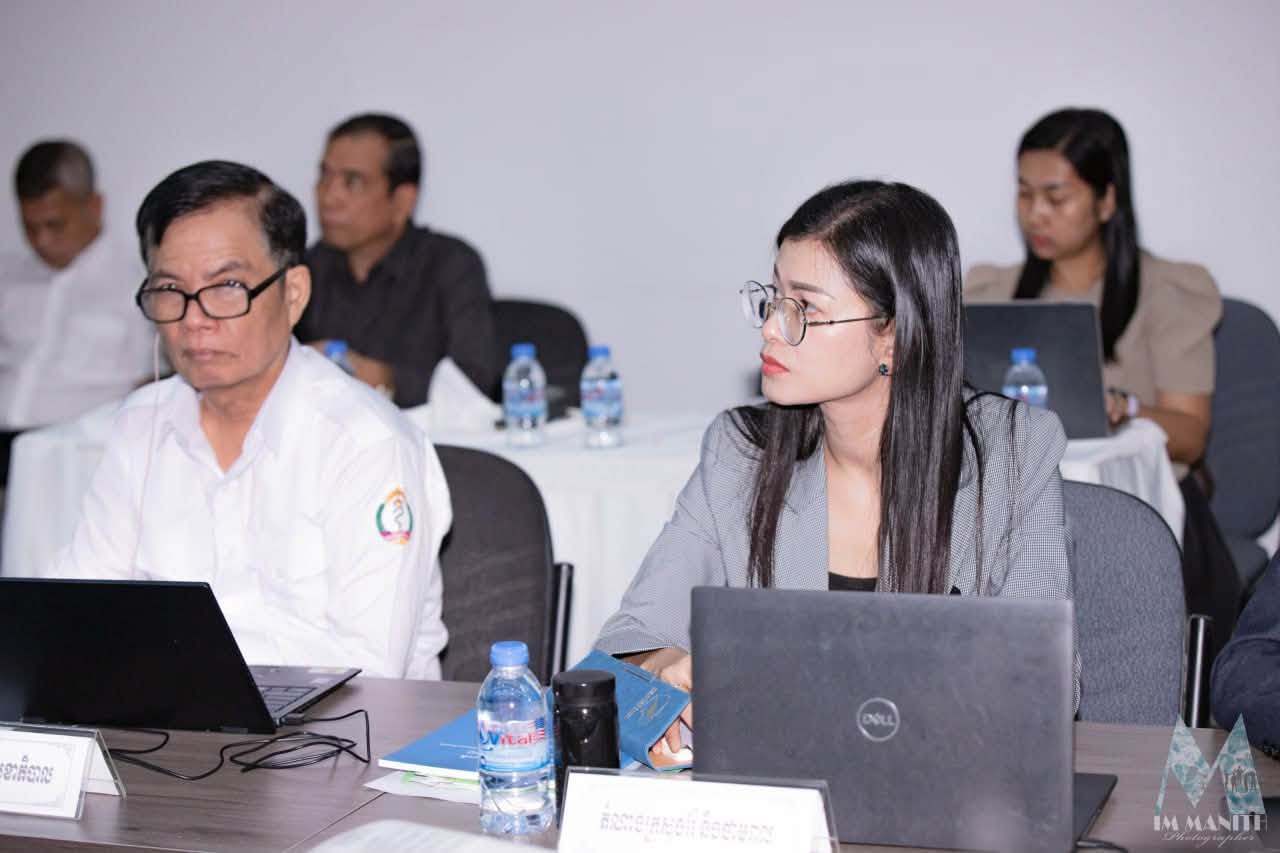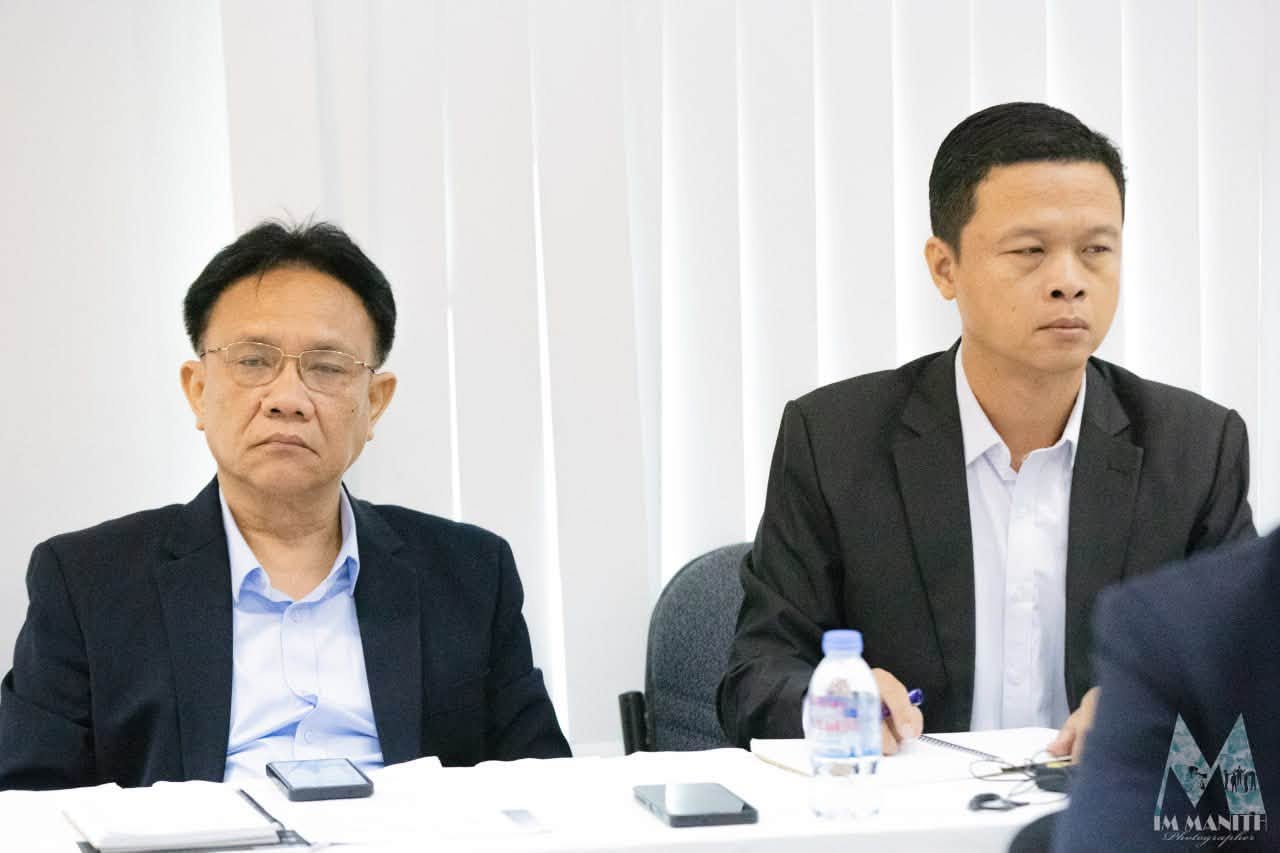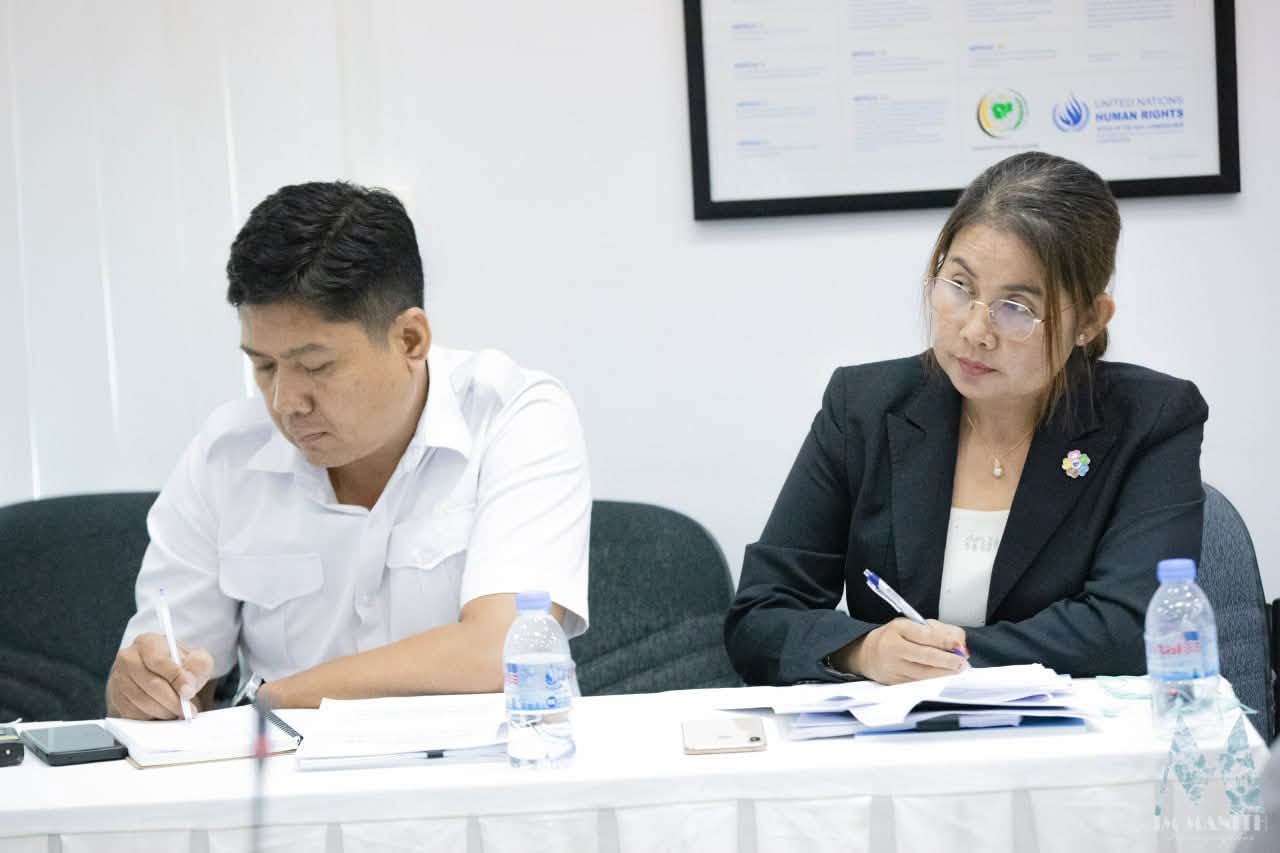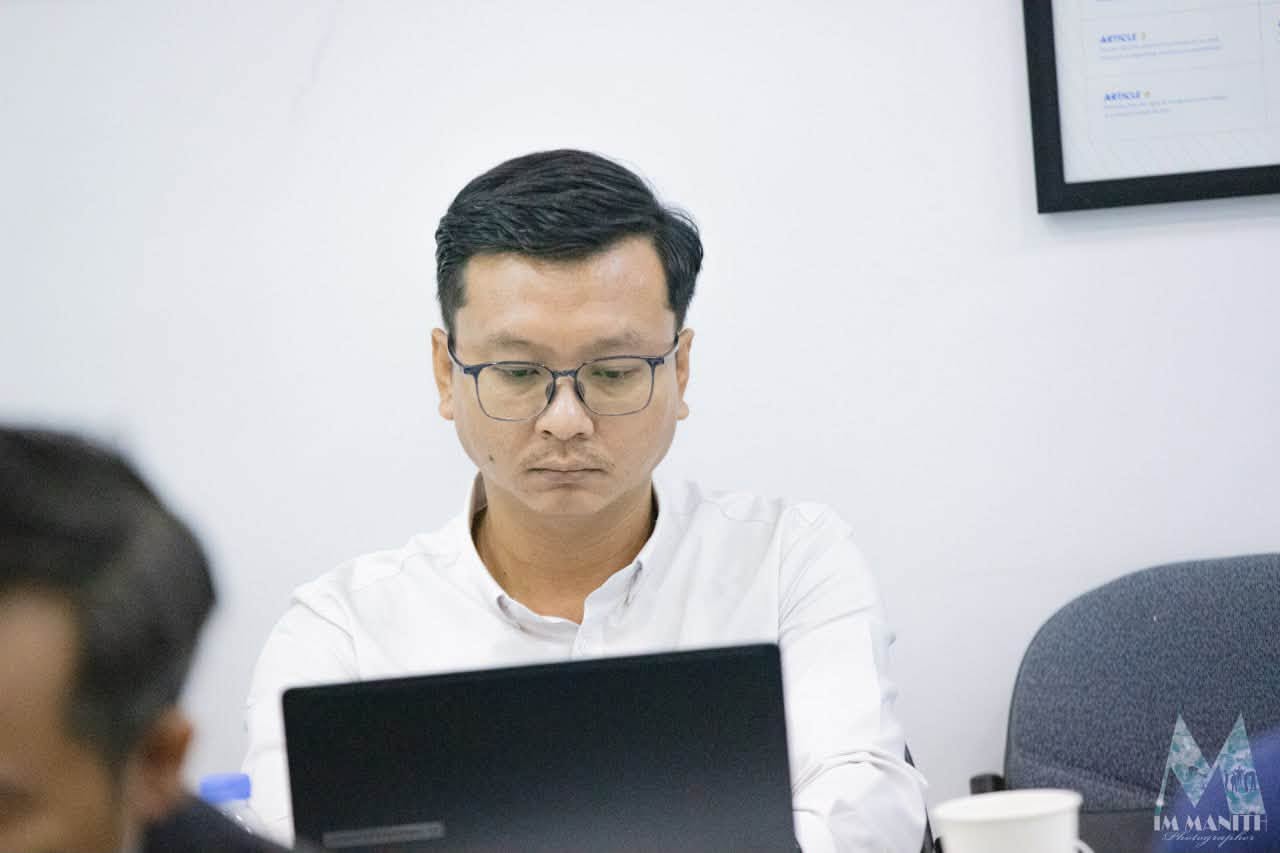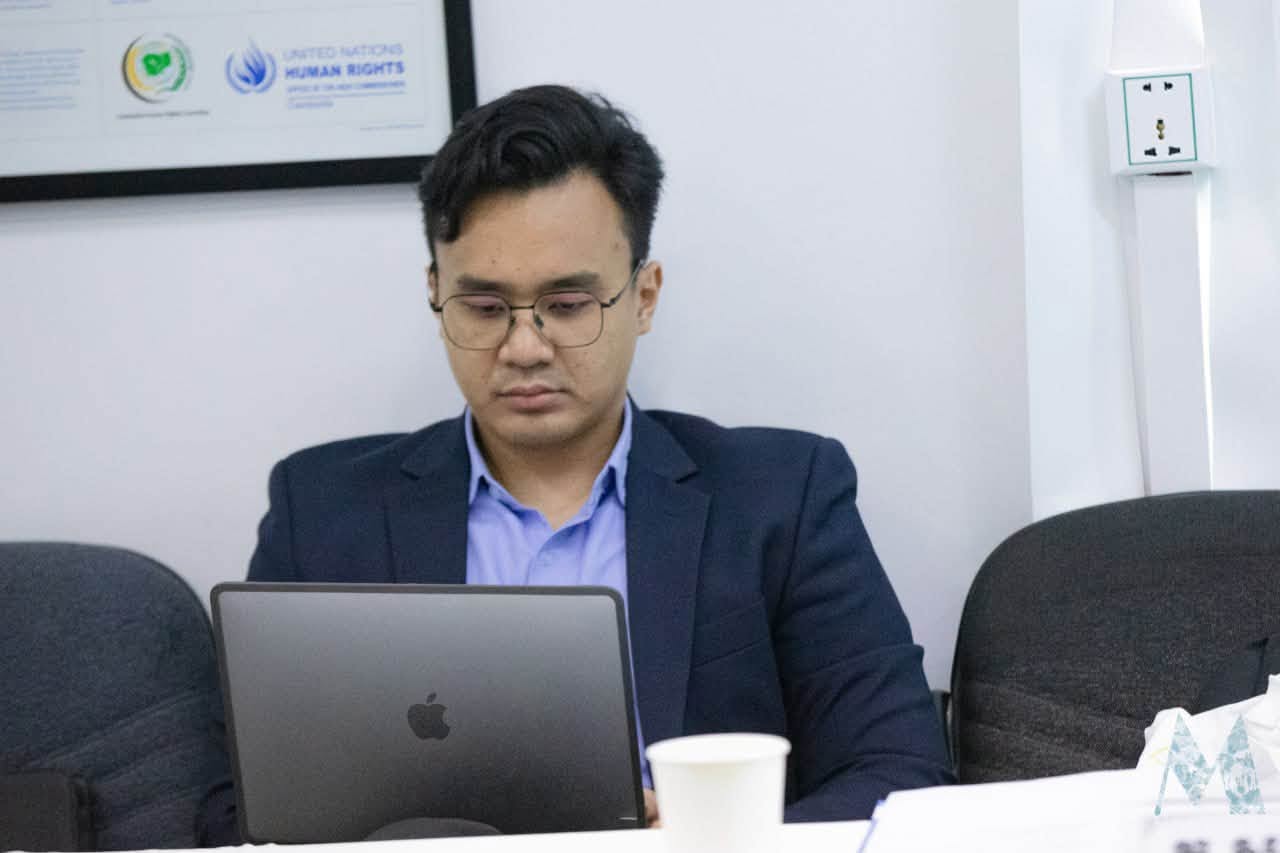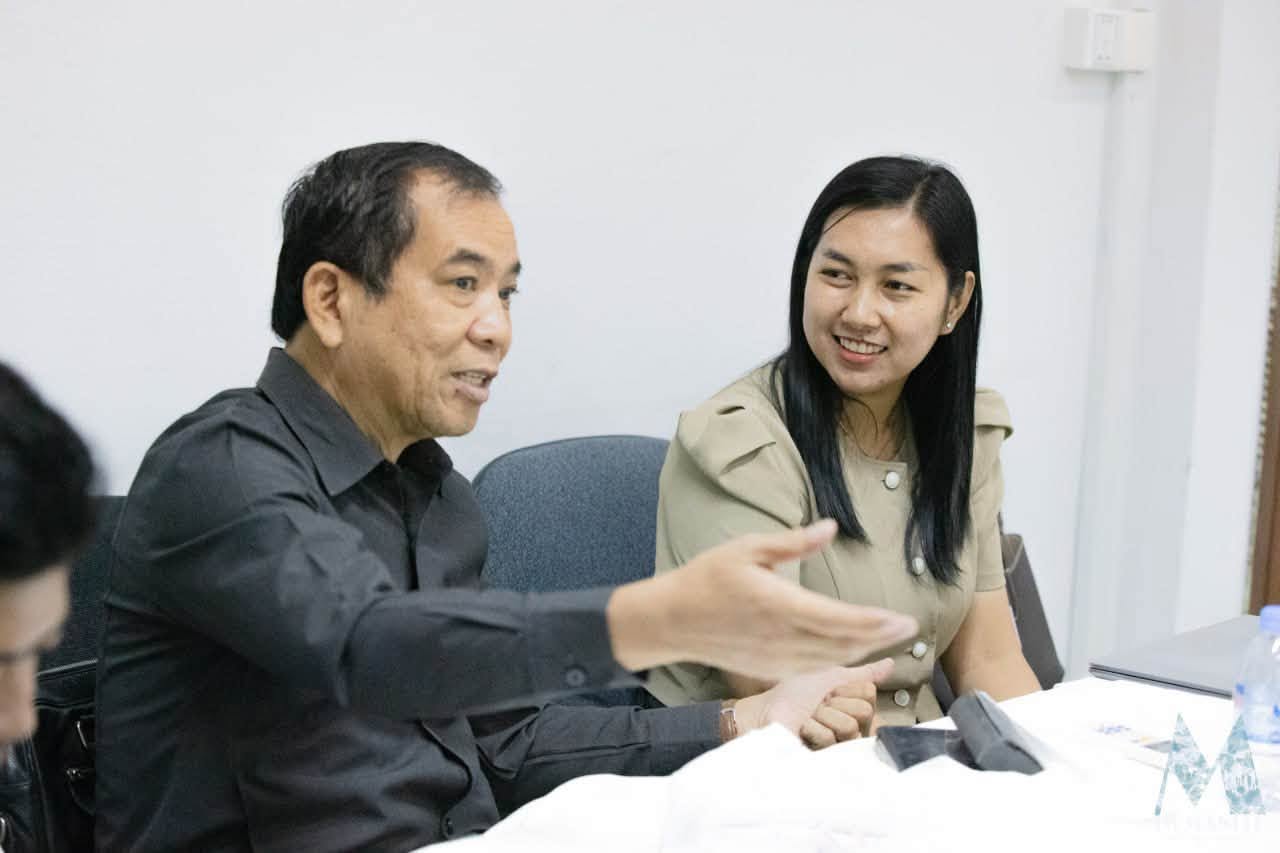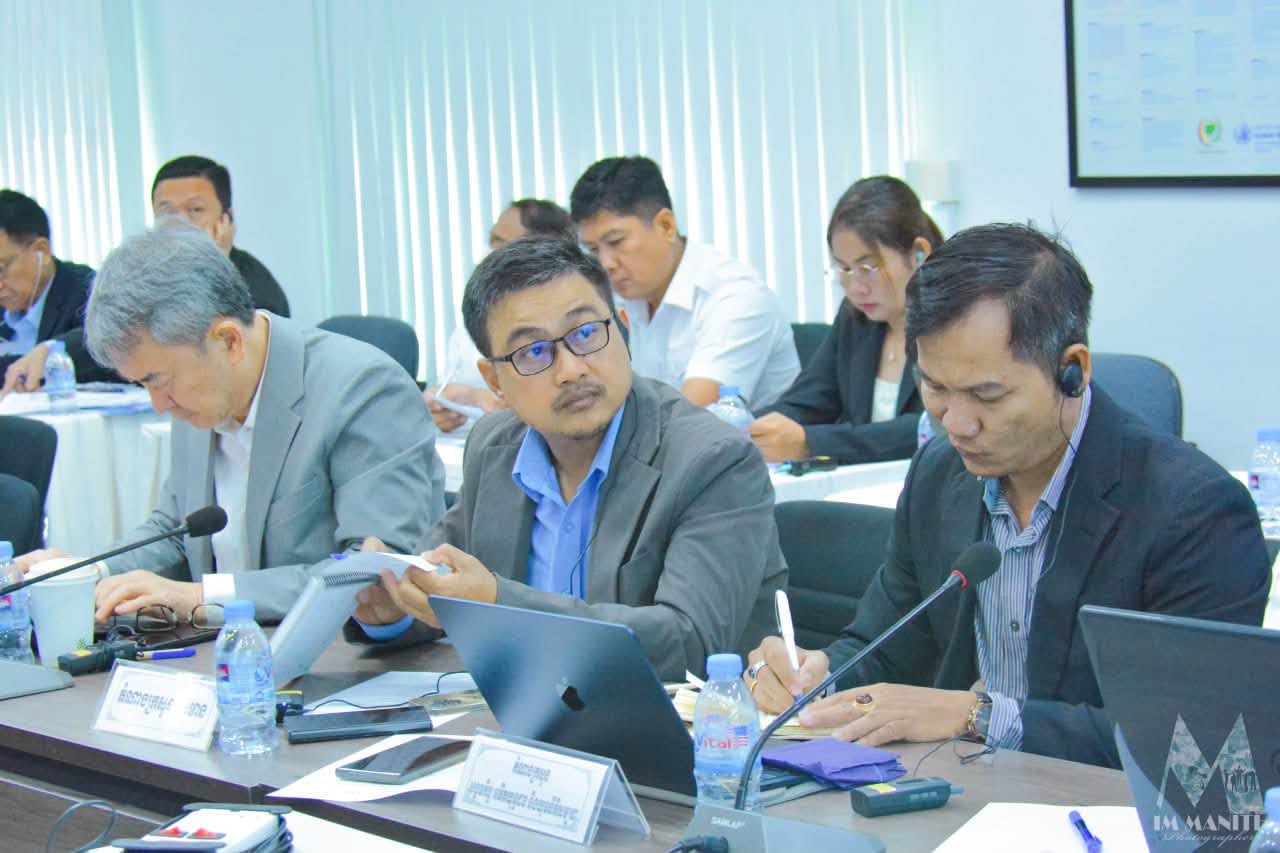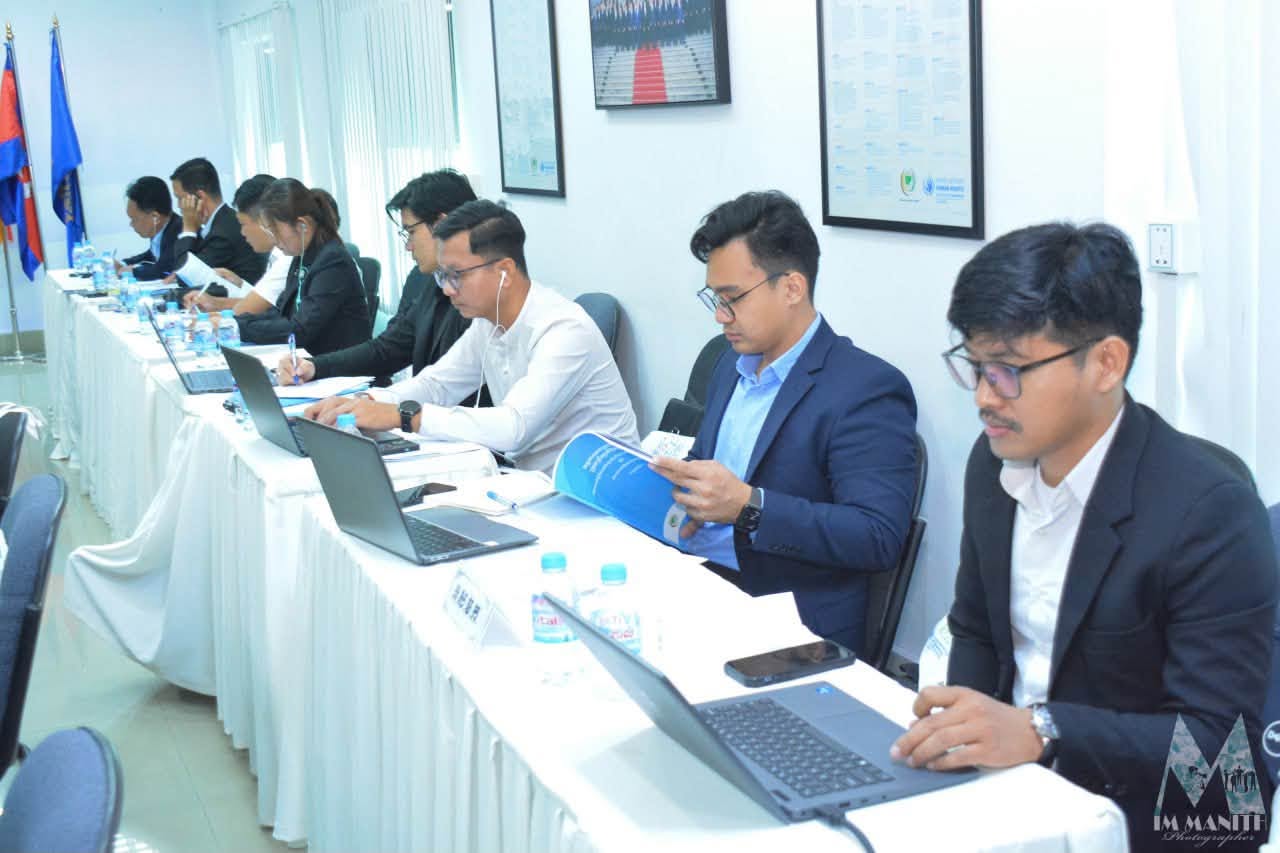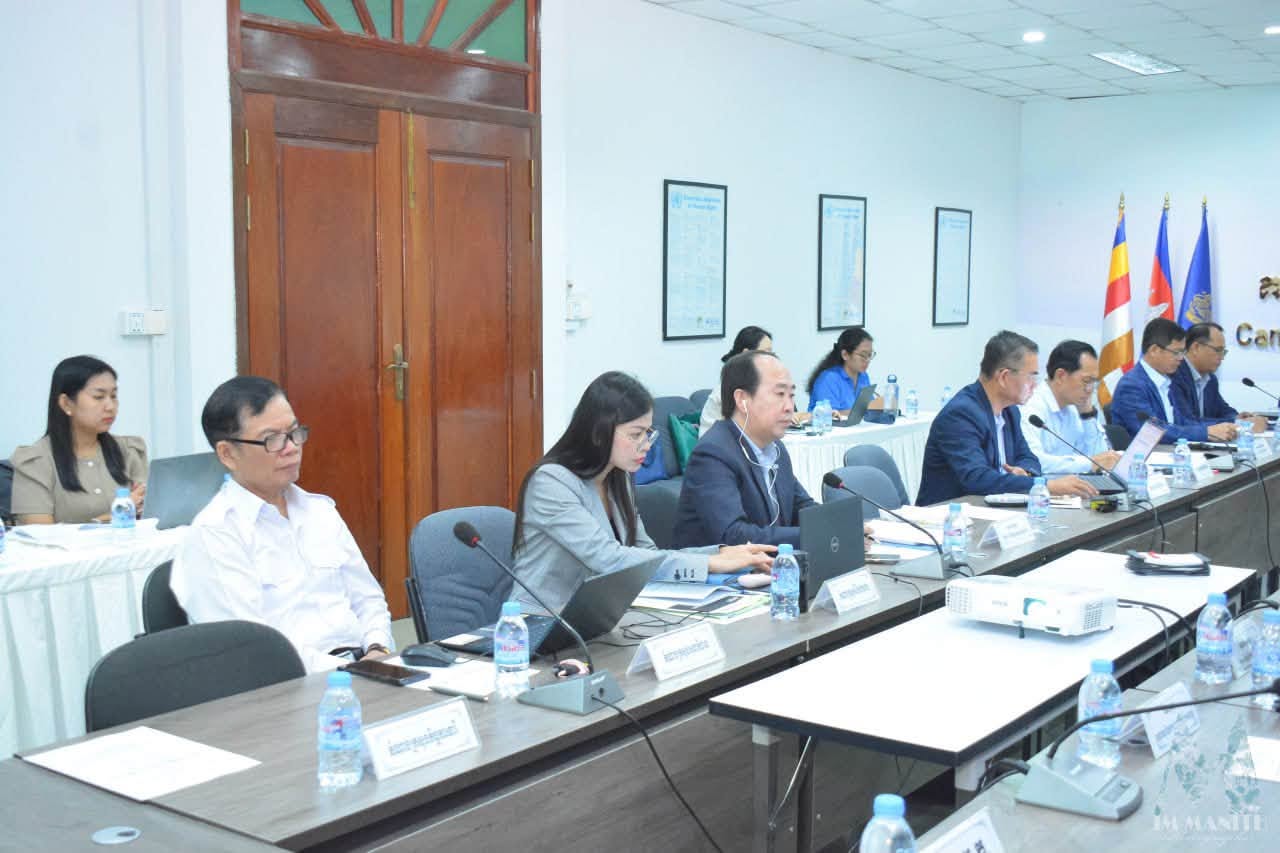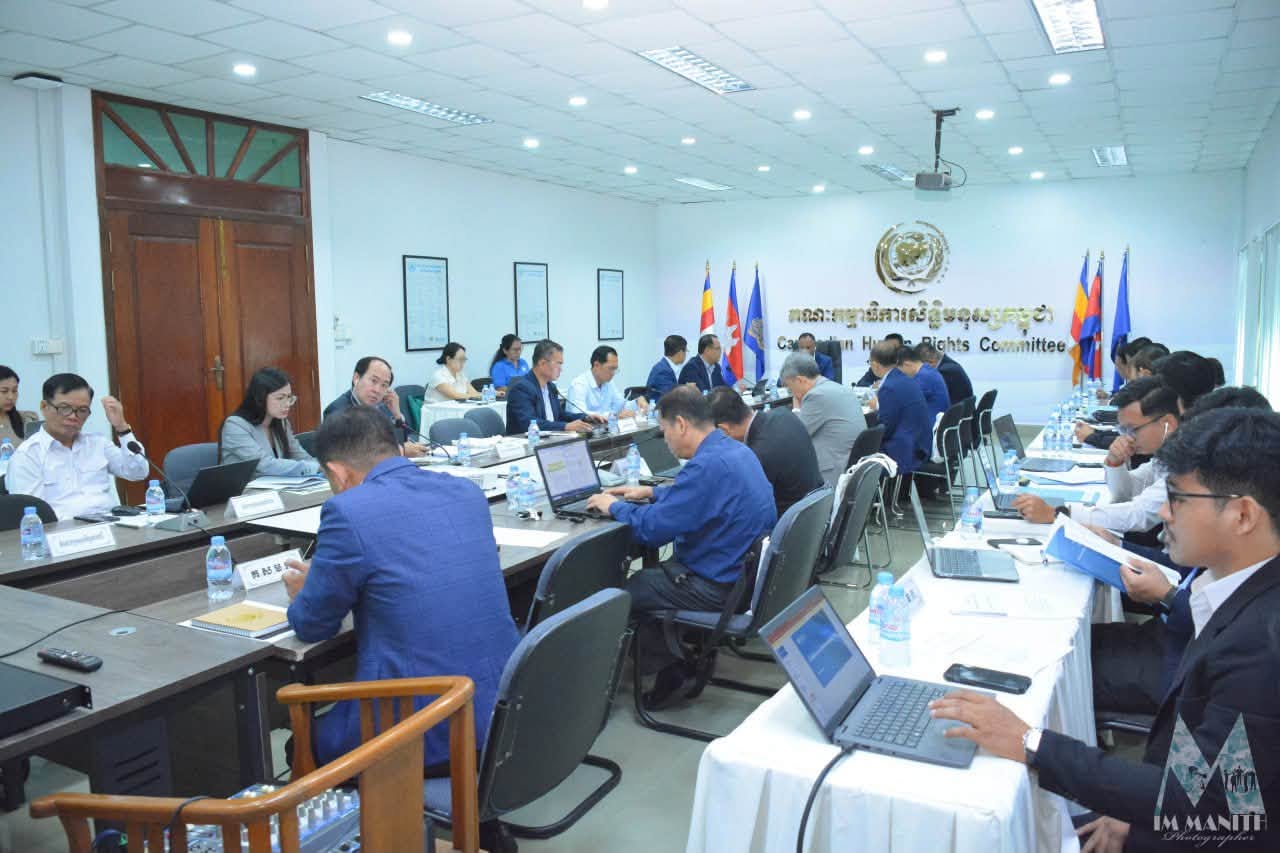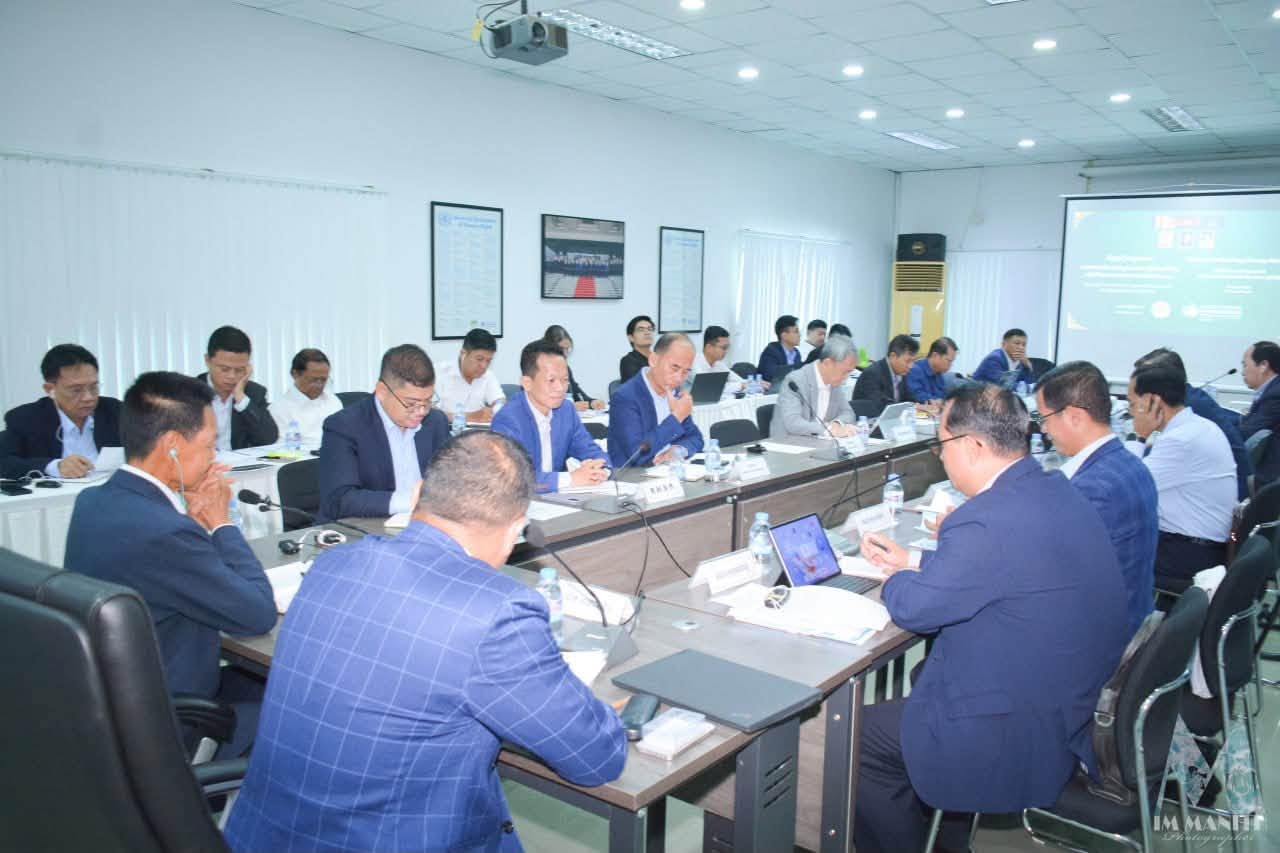
CHRC, together with OHCHR in Cambodia, convened an inter-ministerial technical meeting on the UPR mid-term report.
 CHRC, together with OHCHR in Cambodia, convened an inter-ministerial technical meeting on the UPR mid-term report.
CHRC, together with OHCHR in Cambodia, convened an inter-ministerial technical meeting on the UPR mid-term report.
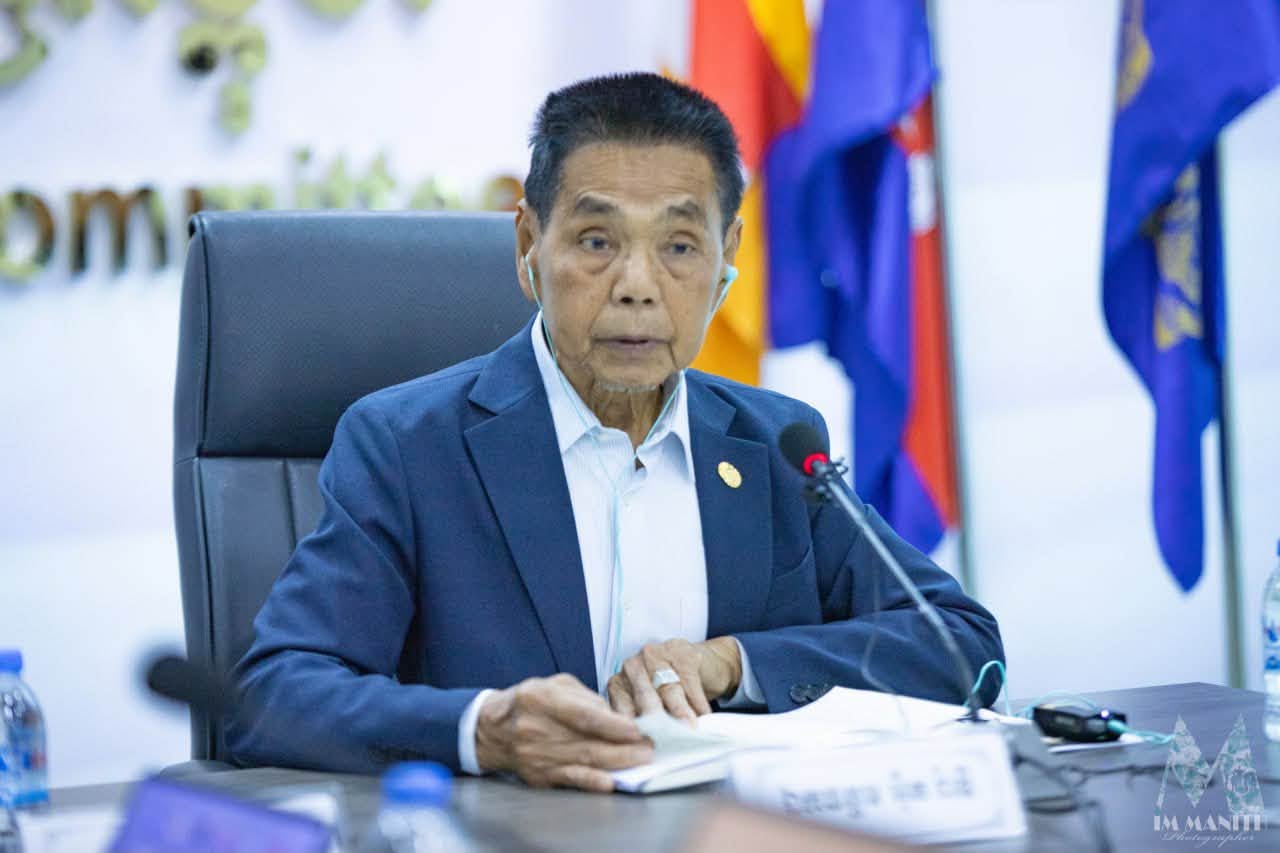
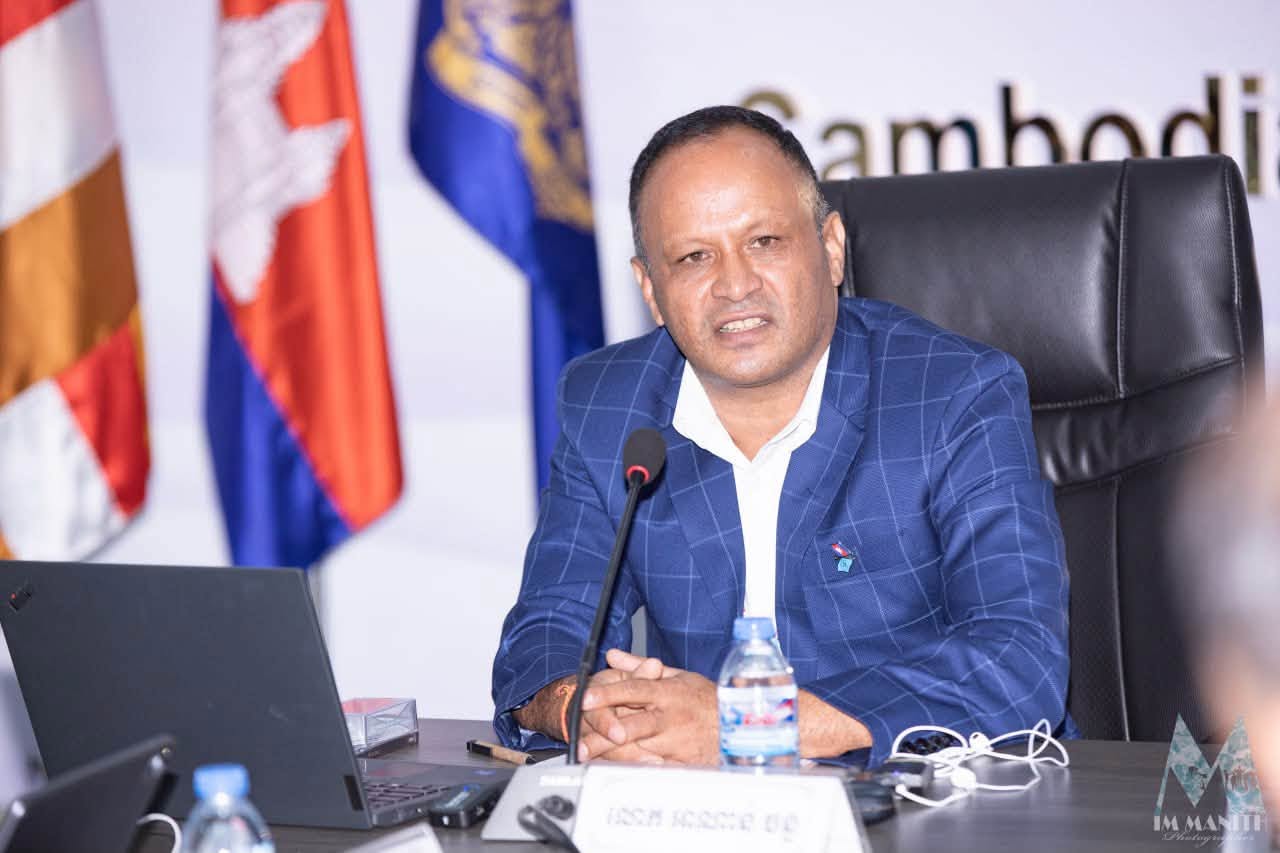
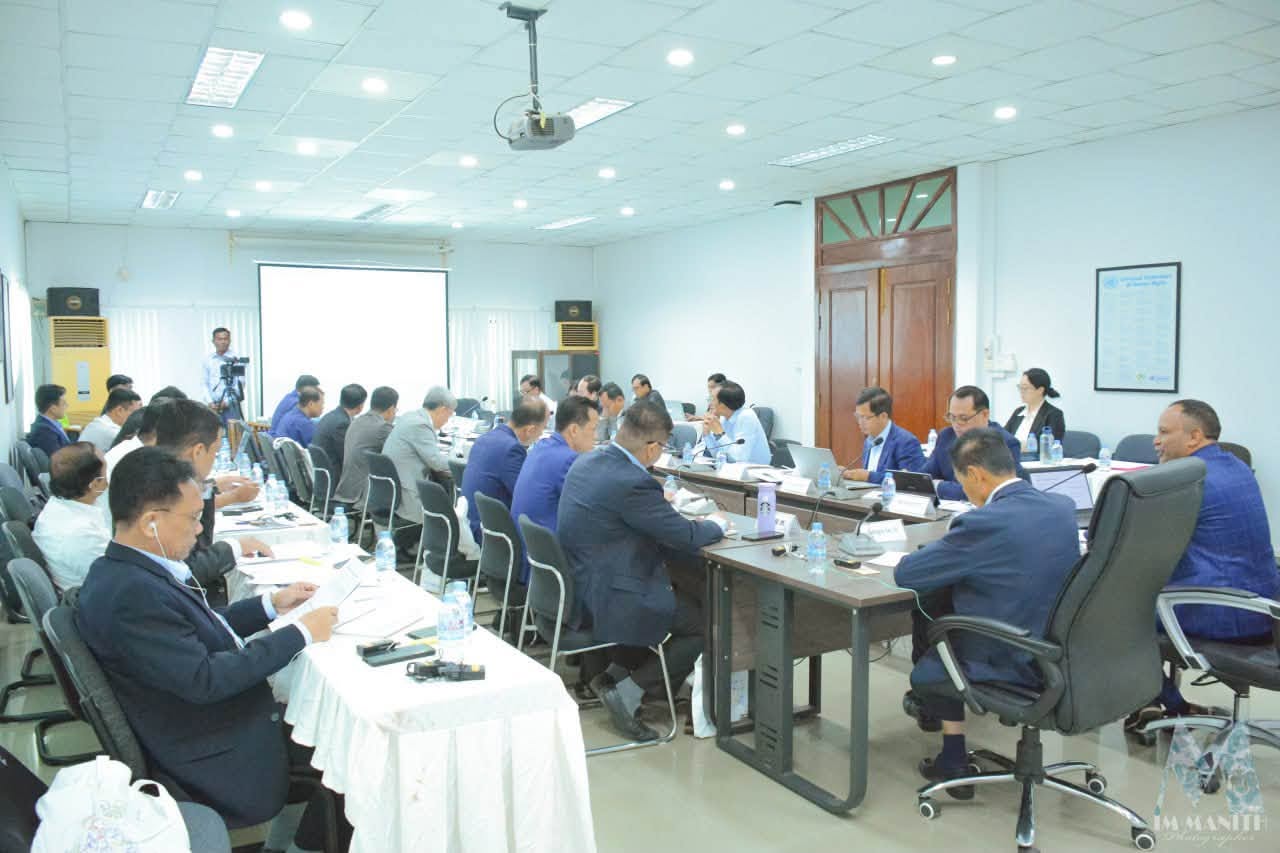
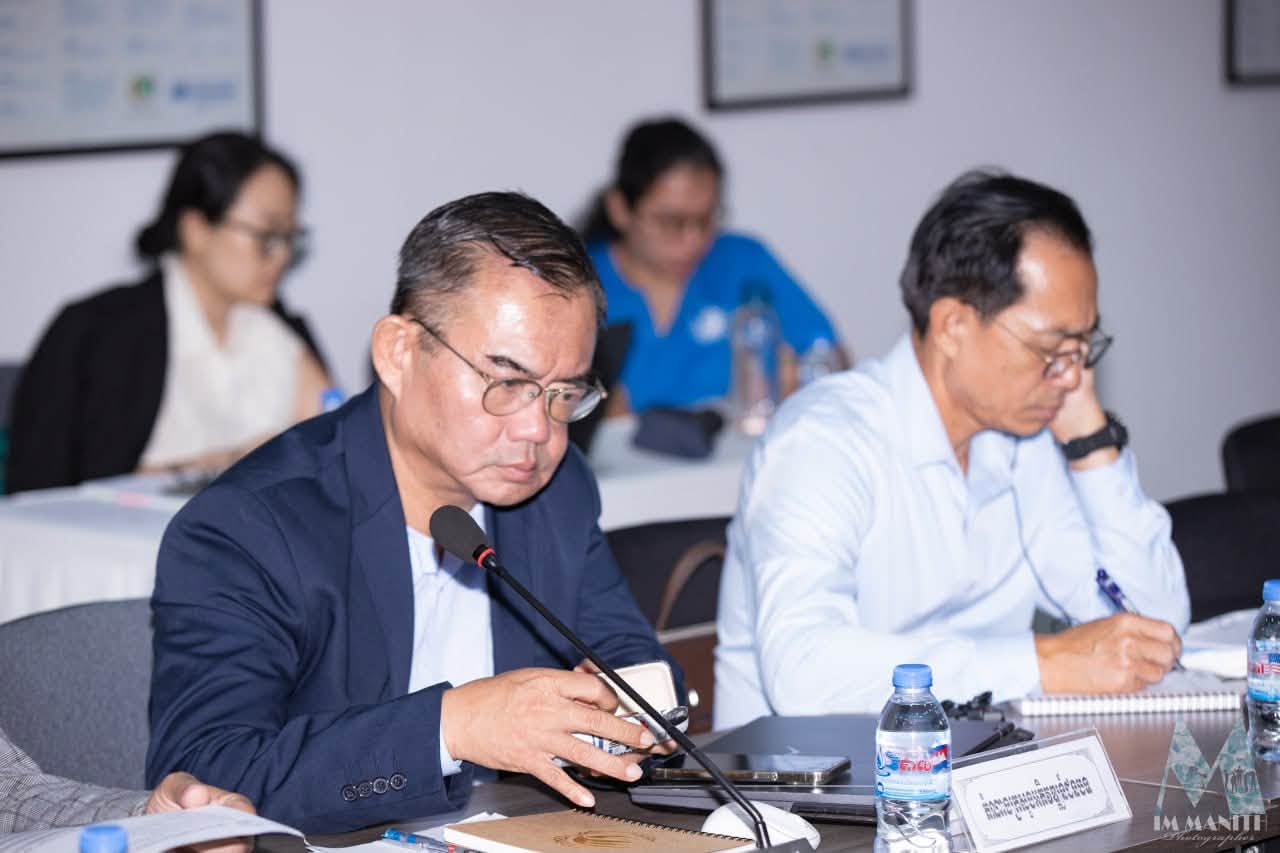
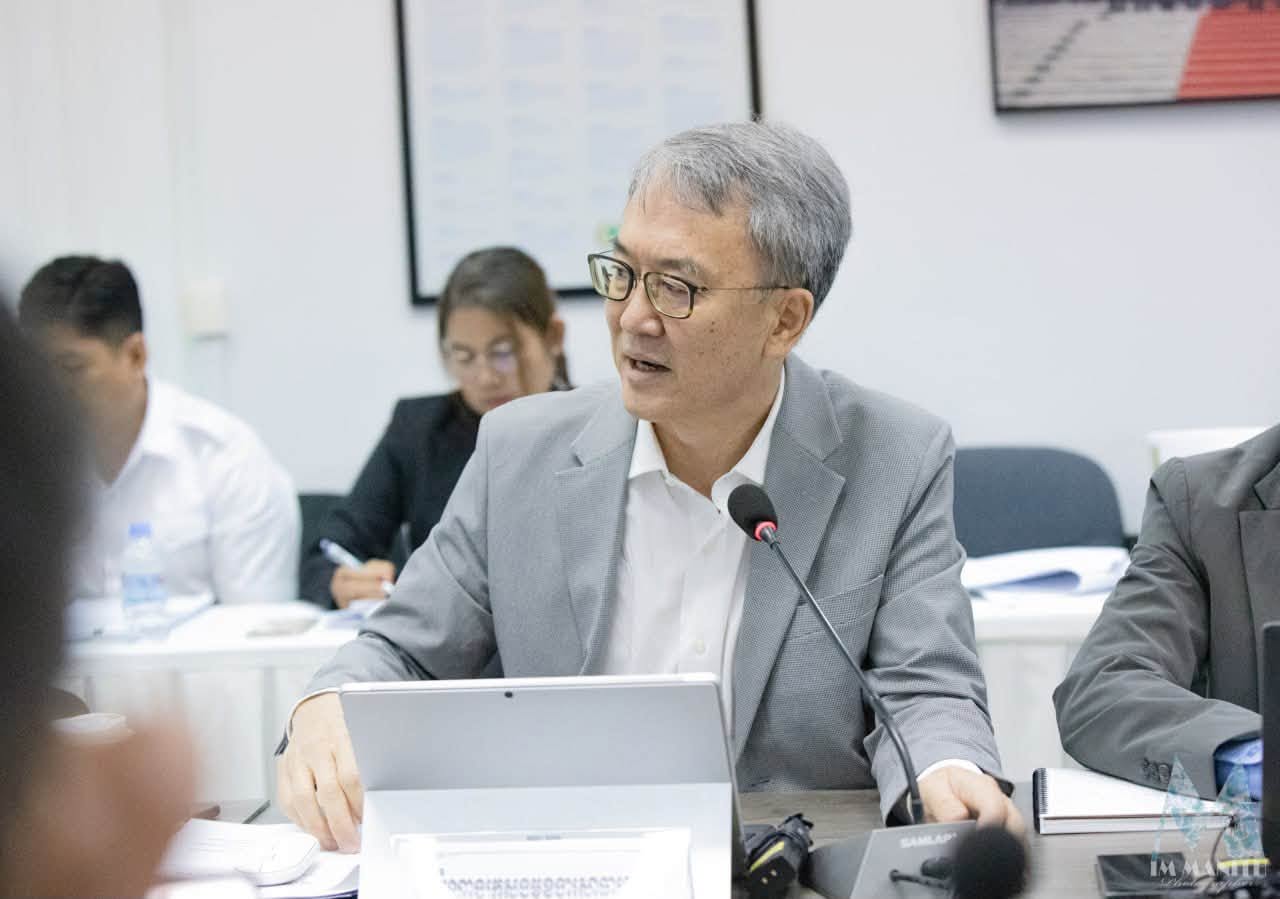
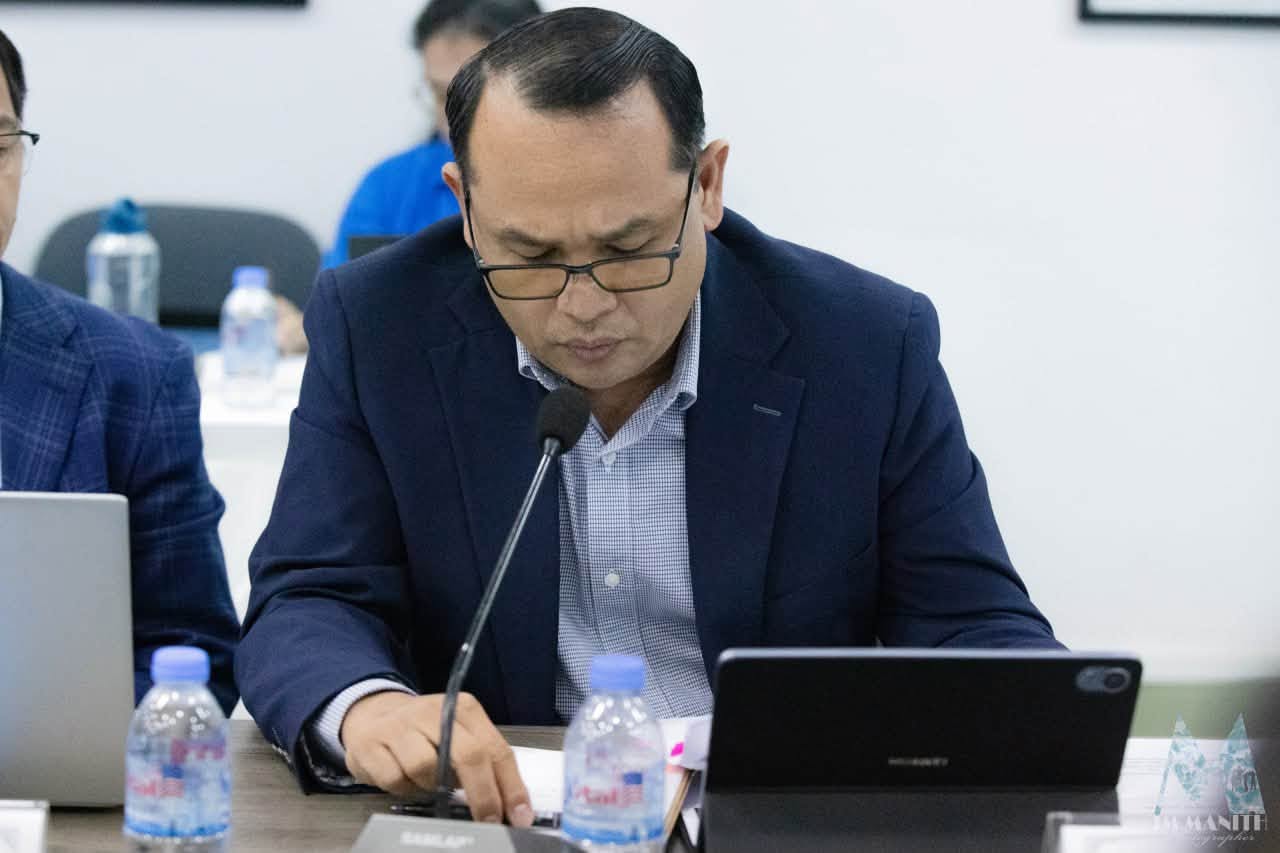
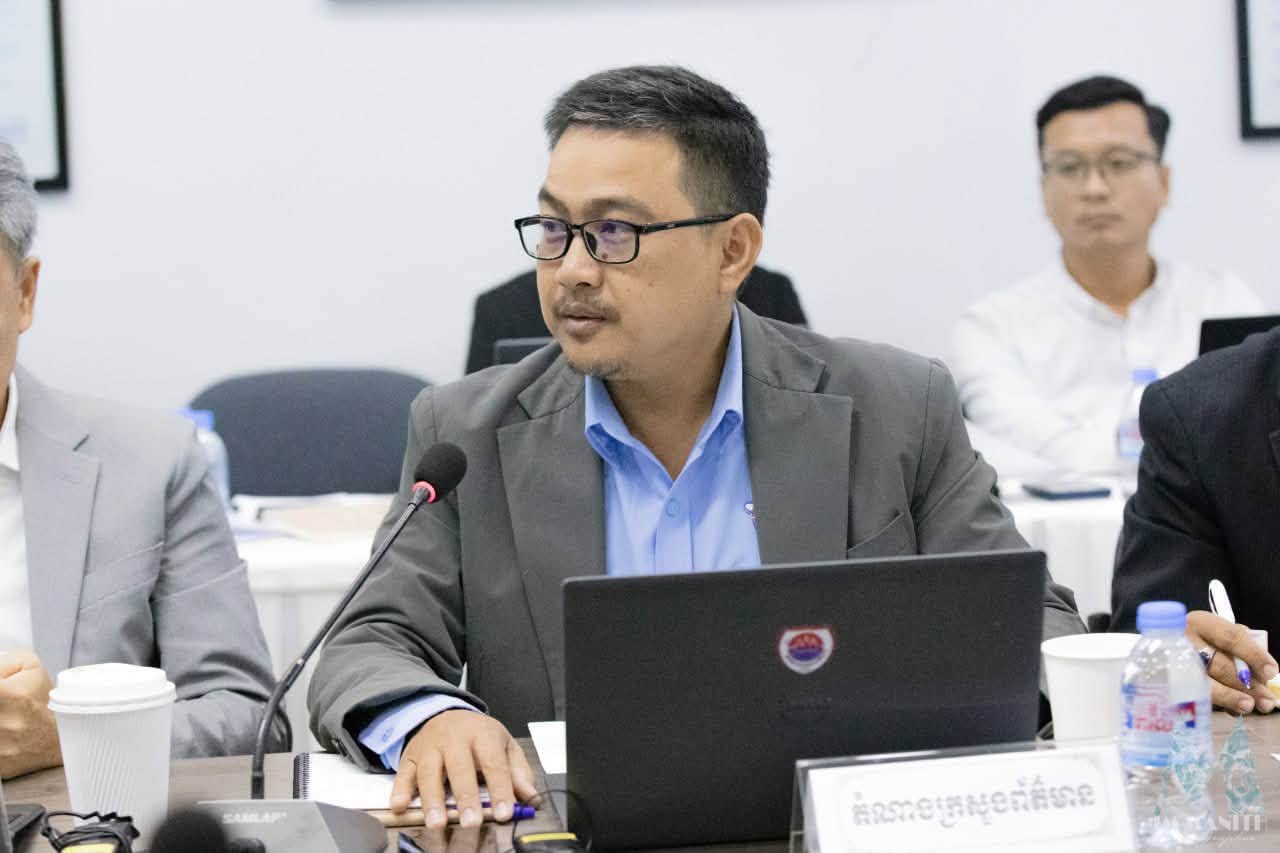
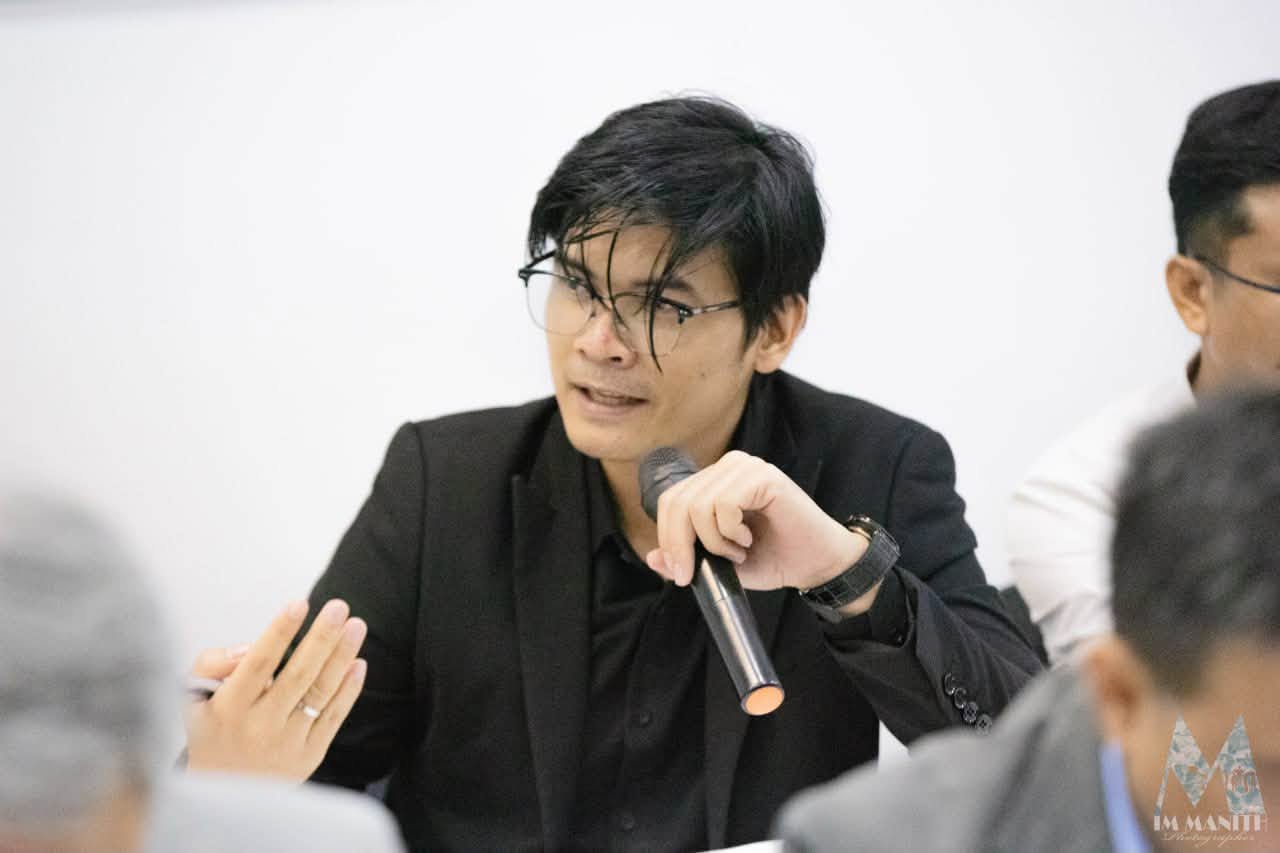
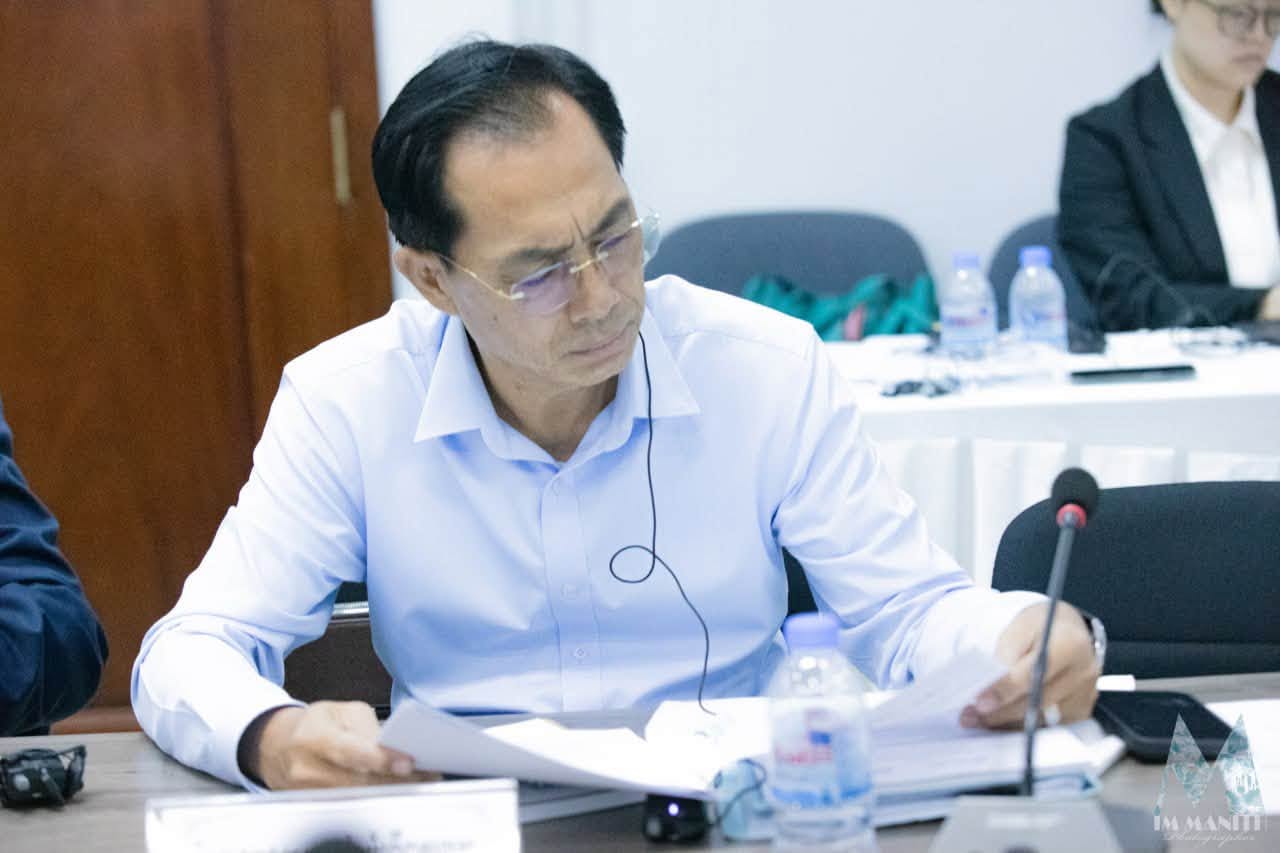
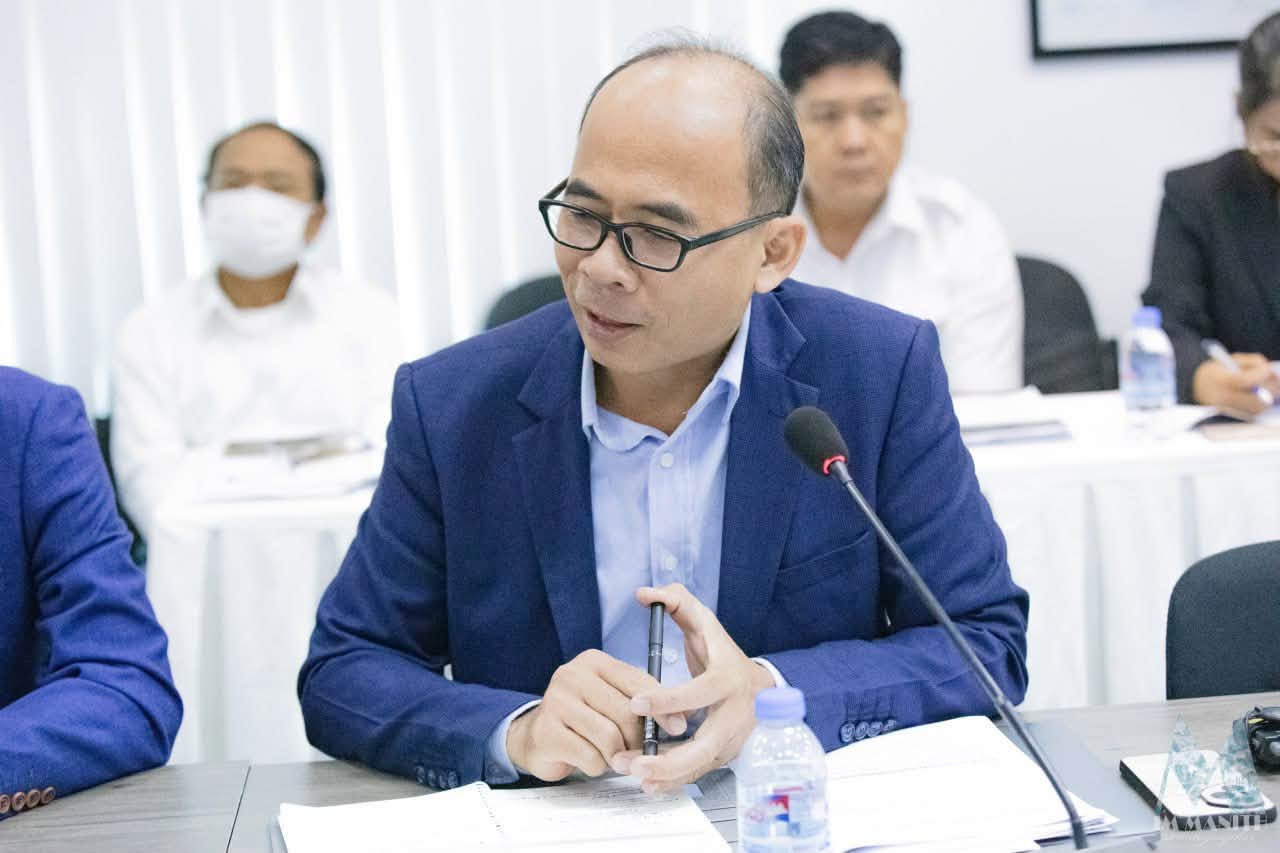
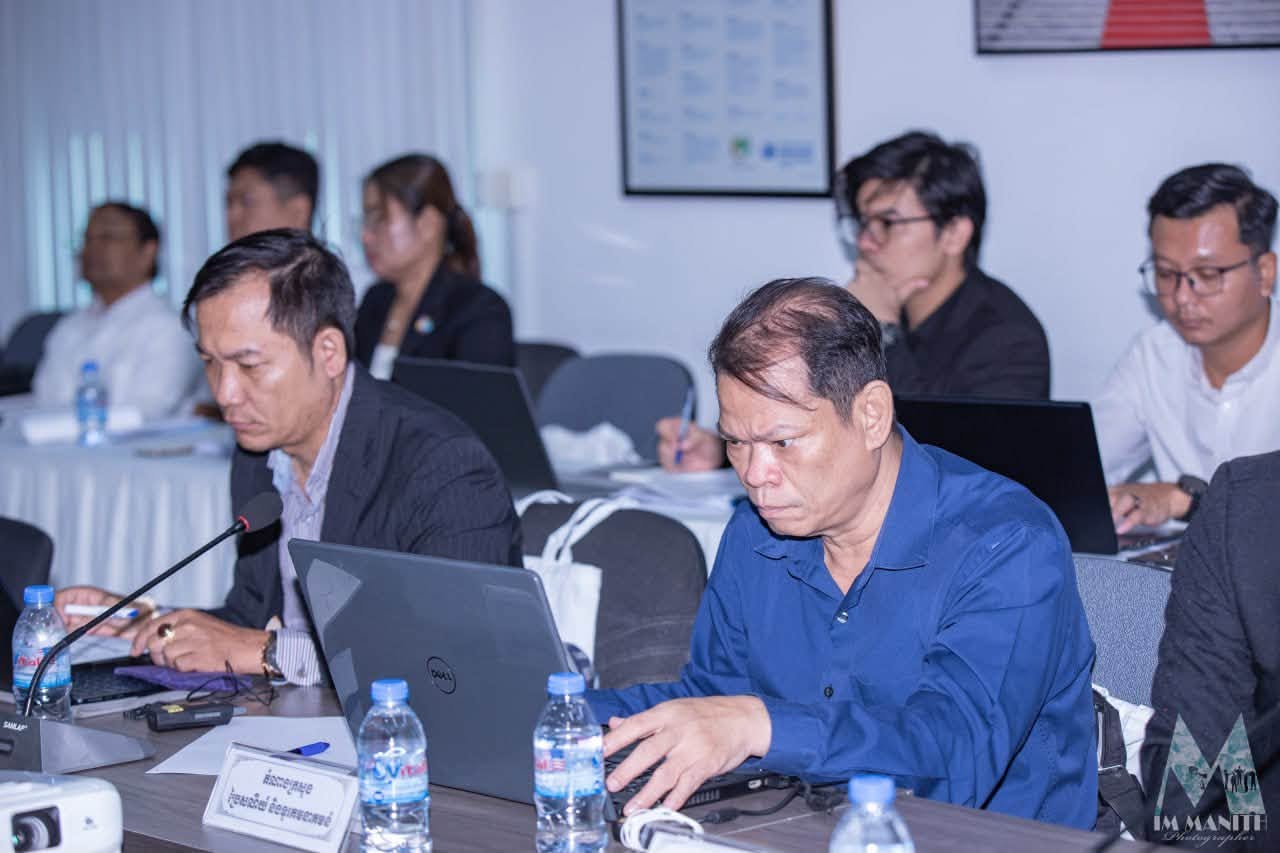
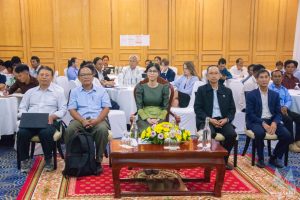
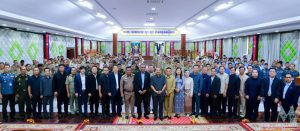
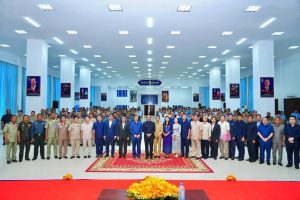
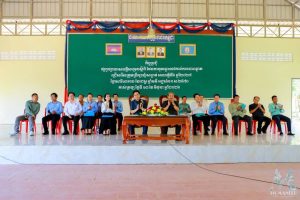
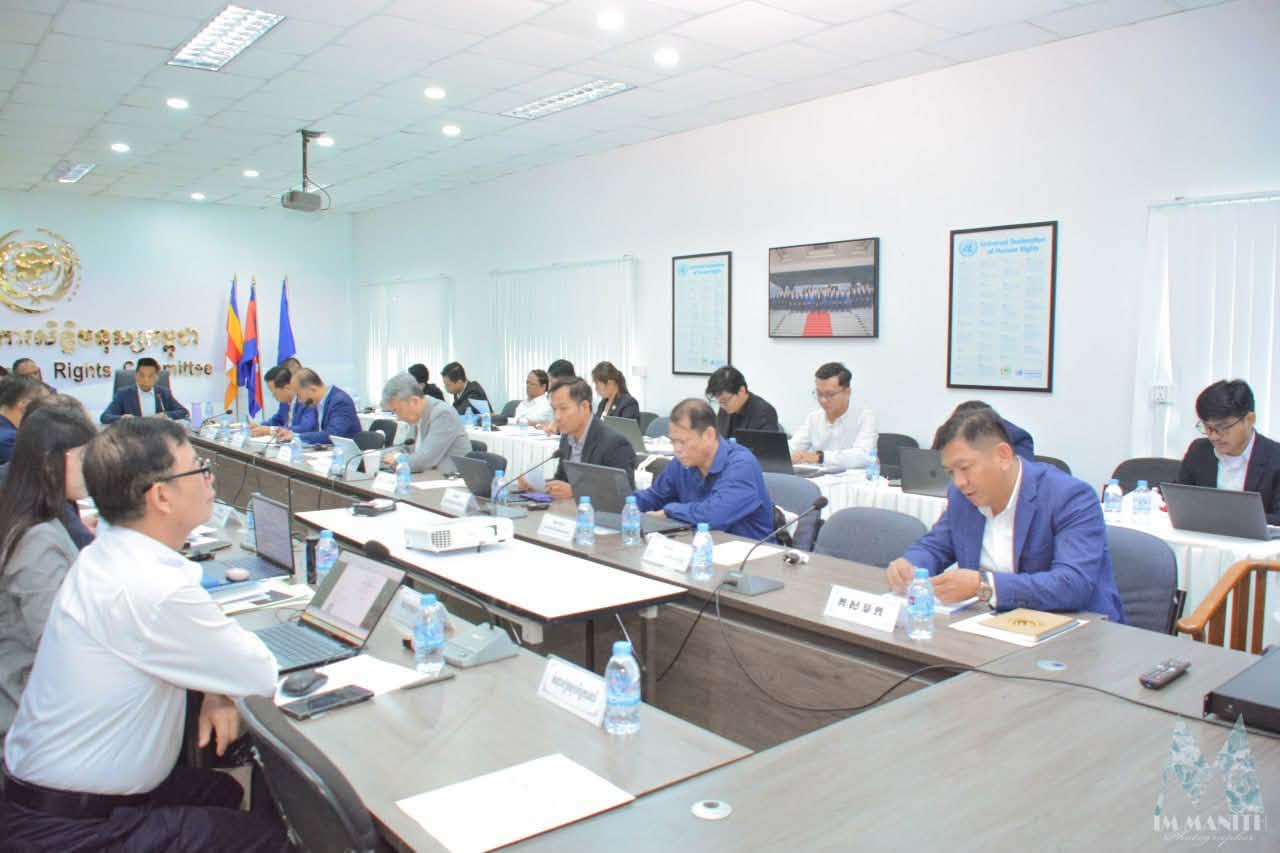
Phnom Penh: On the morning of Thursday, 9 July 2026, the Cambodian Human Rights Committee (CHRC) and the Office of the United Nations High Commissioner for Human Rights (OHCHR) in Cambodia held an inter-ministerial technical meeting at the CHRC meeting hall to discuss the Universal Periodic Review (UPR) mid-term report. The meeting was chaired by HE Ith Rady, CHRC Vice President, representing HE Keo Remy, Senior Minister, CHRC President, and included Mr Anan Chan, head of OHCHR’s prevention section. Its main aims were to clarify implementation requirements and Cambodia’s role in the UPR process for relevant ministries and institutions; to promote inter-ministerial collaboration and ownership of the implementation process; and to assist the Royal Government in preparing the UPR mid-term report.
In his opening remarks, HE Ith Rady said the attendees’ participation signaled the Royal Government’s commitment to promoting and protecting human rights in the country. He emphasised that fulfilling human rights obligations is a collective responsibility and urged them to take ownership and intensify efforts within their mandates. He explained that the UPR is a unique Human Rights Council mechanism that reviews the human rights records of all 193 UN member states roughly every four and a half to five years. Cambodia has undergone four cycles so far: 2009, 2014, 2019, and 2024.
HE Ith Rady noted that during Cambodia’s fourth cycle, 100 countries made 275 recommendations, of which Cambodia accepted 232 and noted 43. By accepting and implementing around 84% of those recommendations, the Royal Government has shown a concrete commitment to advancing human rights for the benefit of the public, a stance welcomed by both national and international stakeholders. Preparing the mid-term and subsequent cycle reports is intended to monitor recommendation implementation and highlight the government’s achievements in human rights to domestic and international audiences.
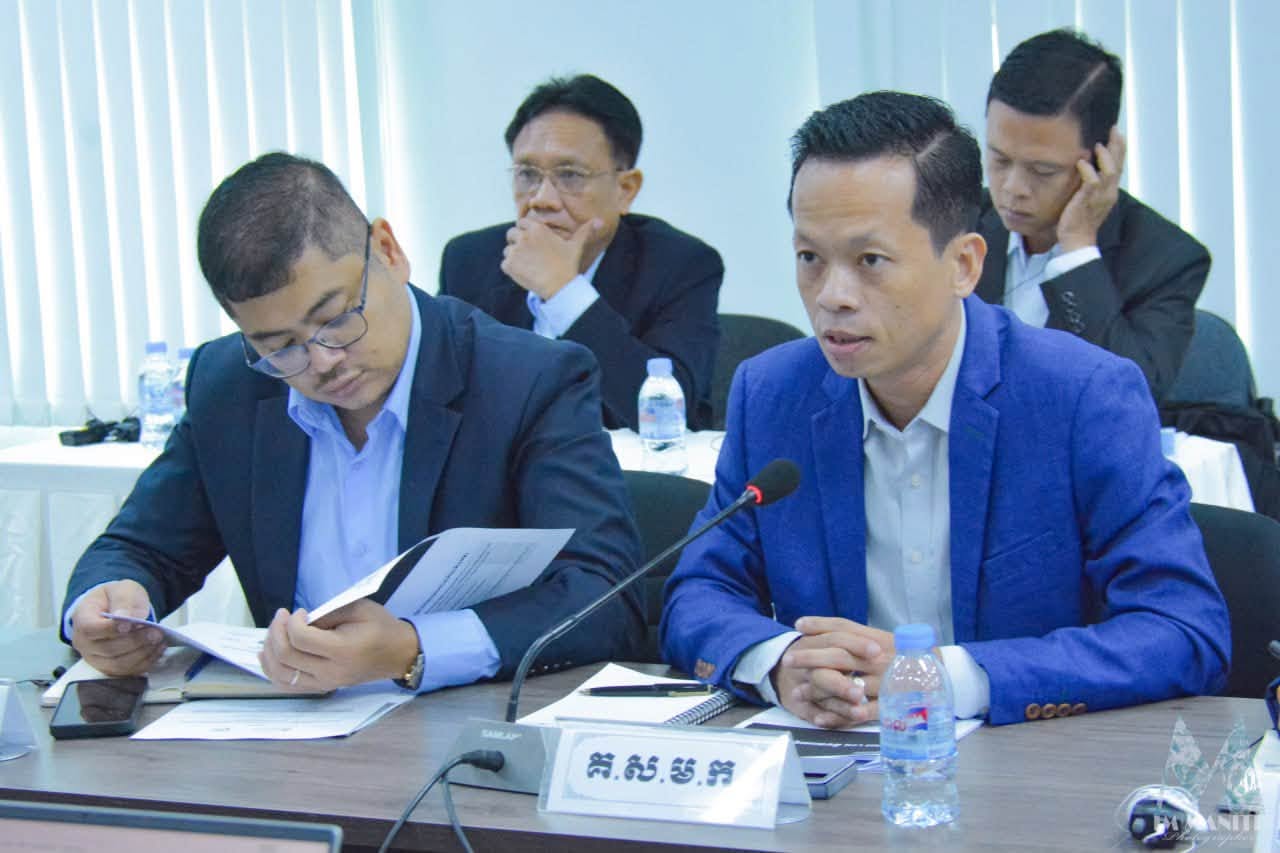
Presenters from OHCHR and CHRC outlined the UPR process, shared best practices, summarised the recommendations Cambodia accepted, and explained the mid-term report preparation plan. Their briefings helped participants better understand the process and the importance of submitting UPR reports to the United Nations. The meeting featured energetic, constructive discussions on how ministries and institutions should implement recommendations and prepare focused, effective responses for each one.
In closing, HE Ith Rady thanked OHCHR for its strong cooperation with CHRC in organising the meeting and expressed confidence that both institutions would continue collaborating to advance human rights in Cambodia. He also praised participants for their attentive participation and sense of responsibility, saying their engagement helped make the meeting successful.