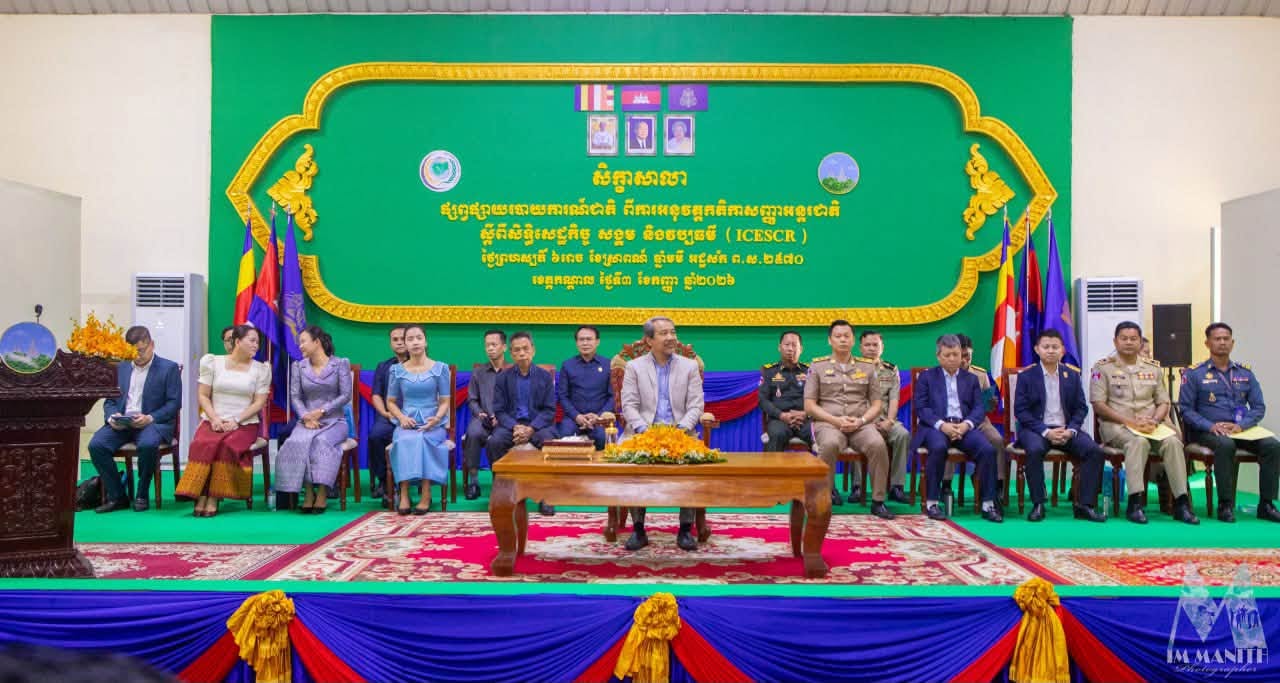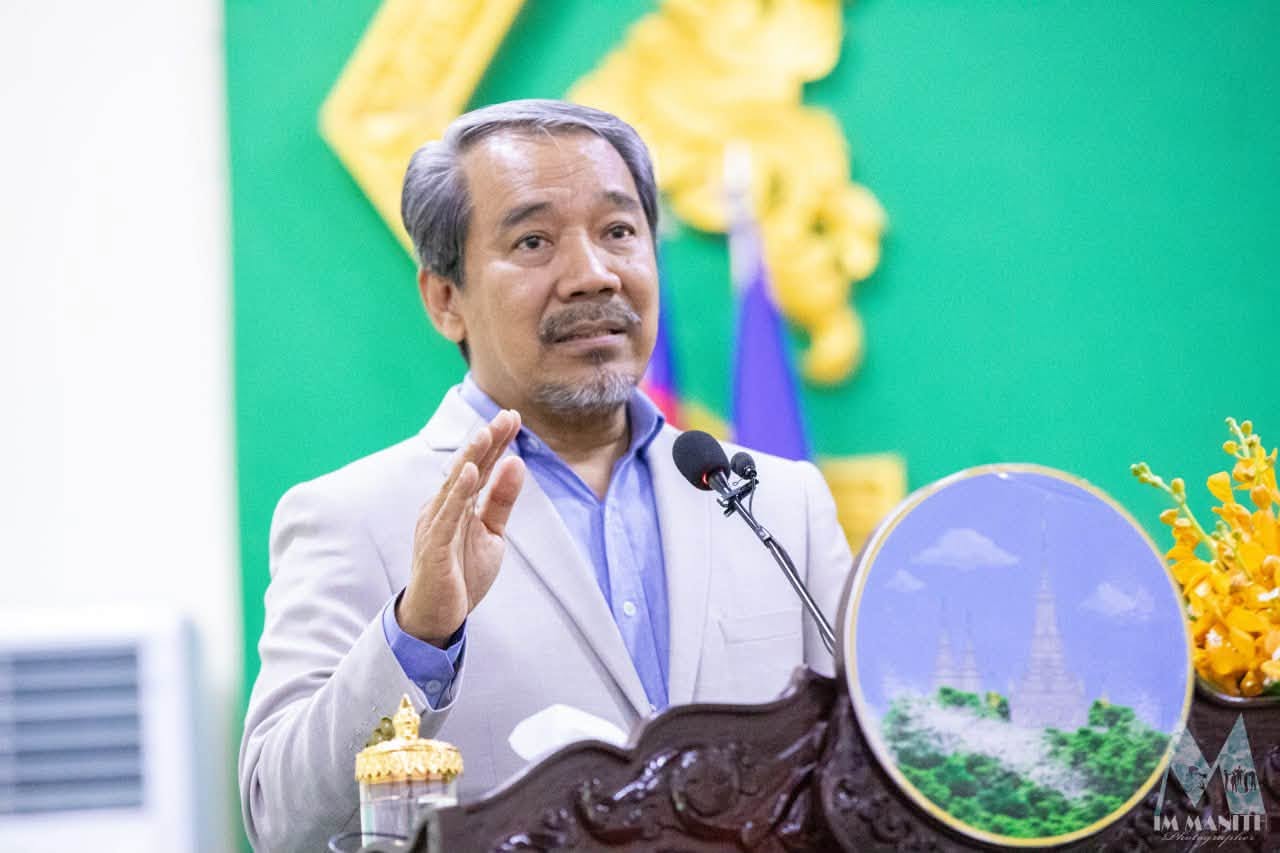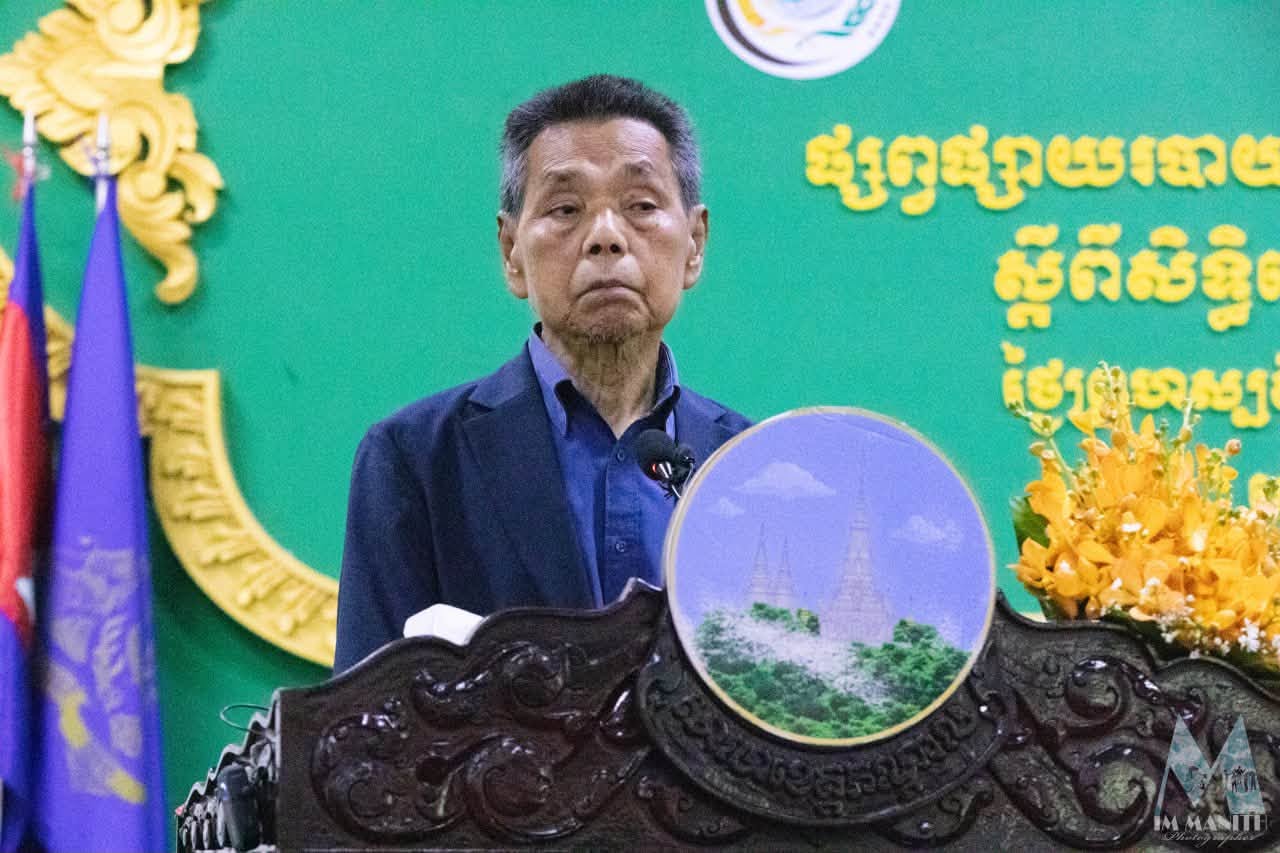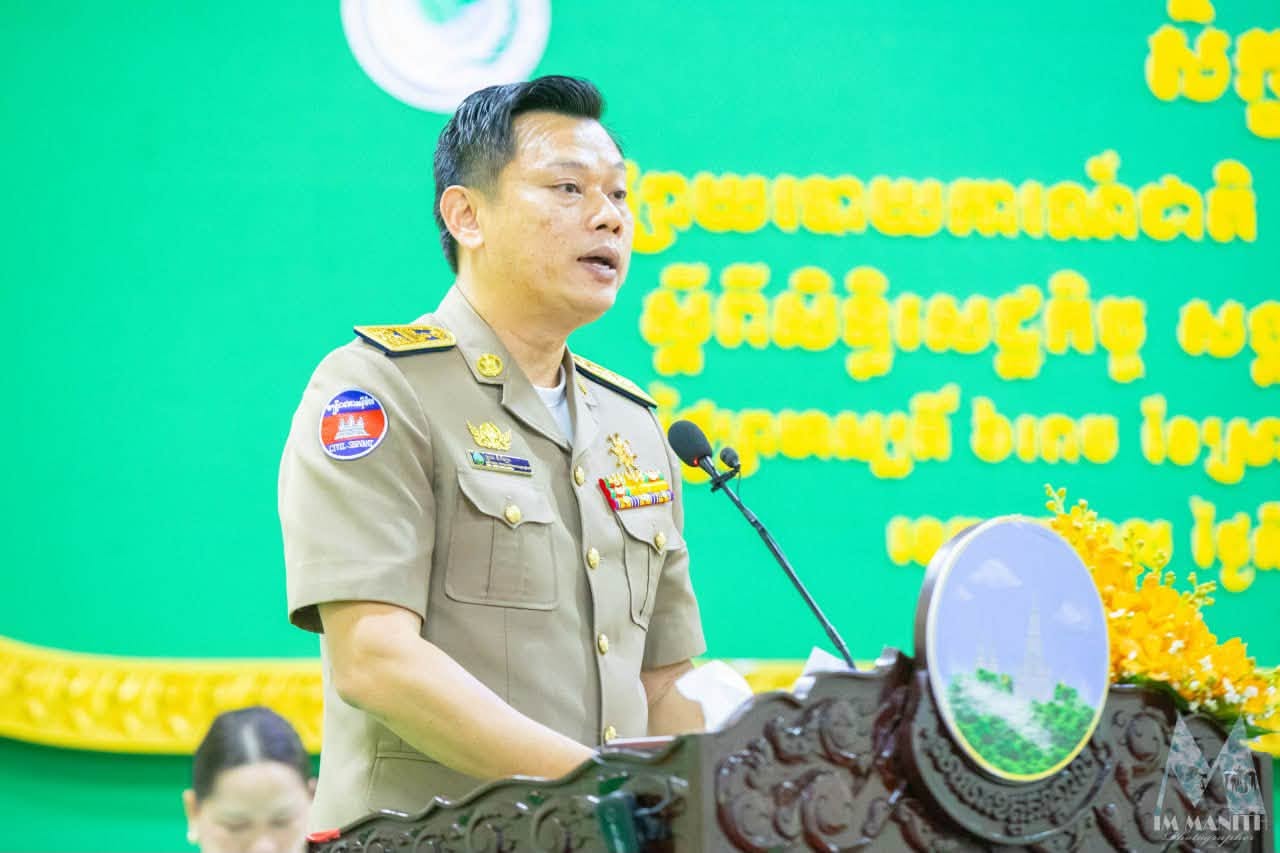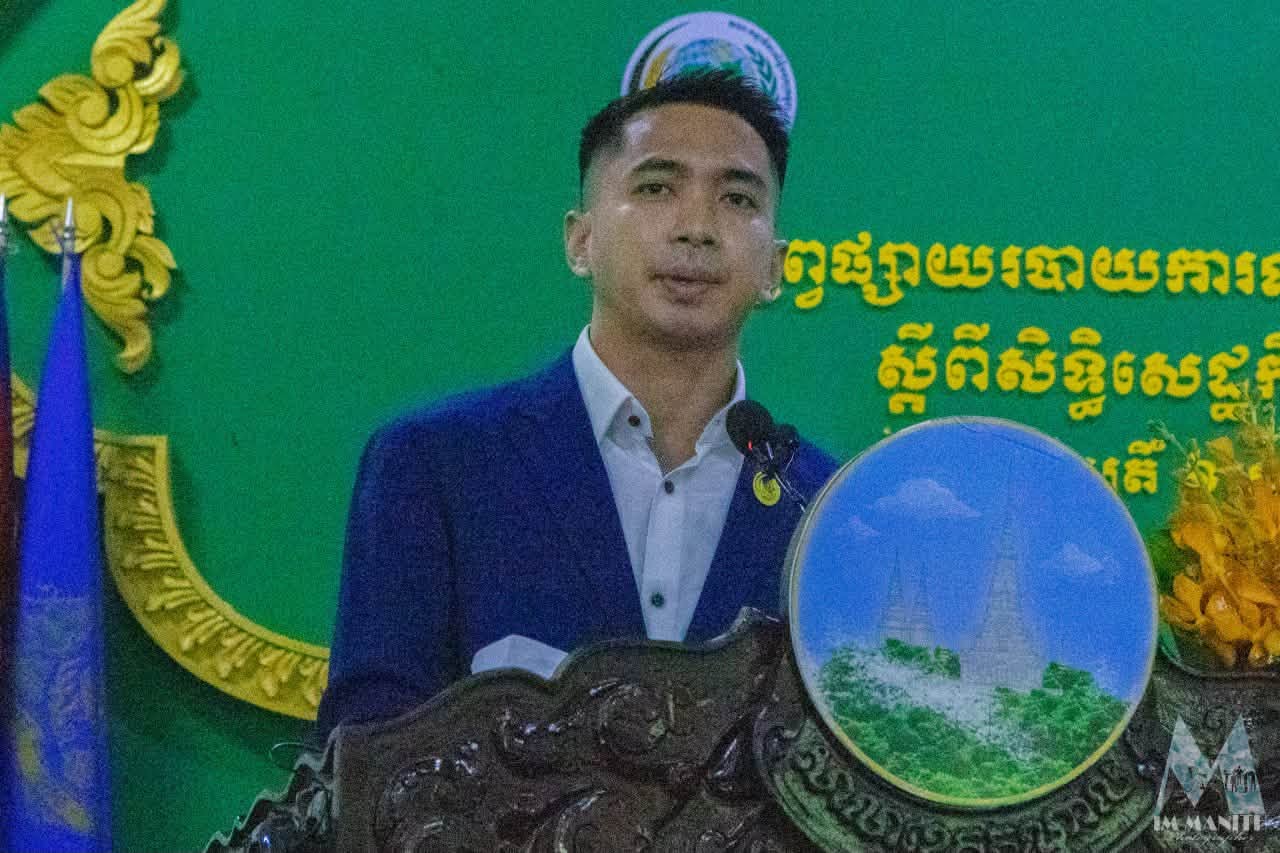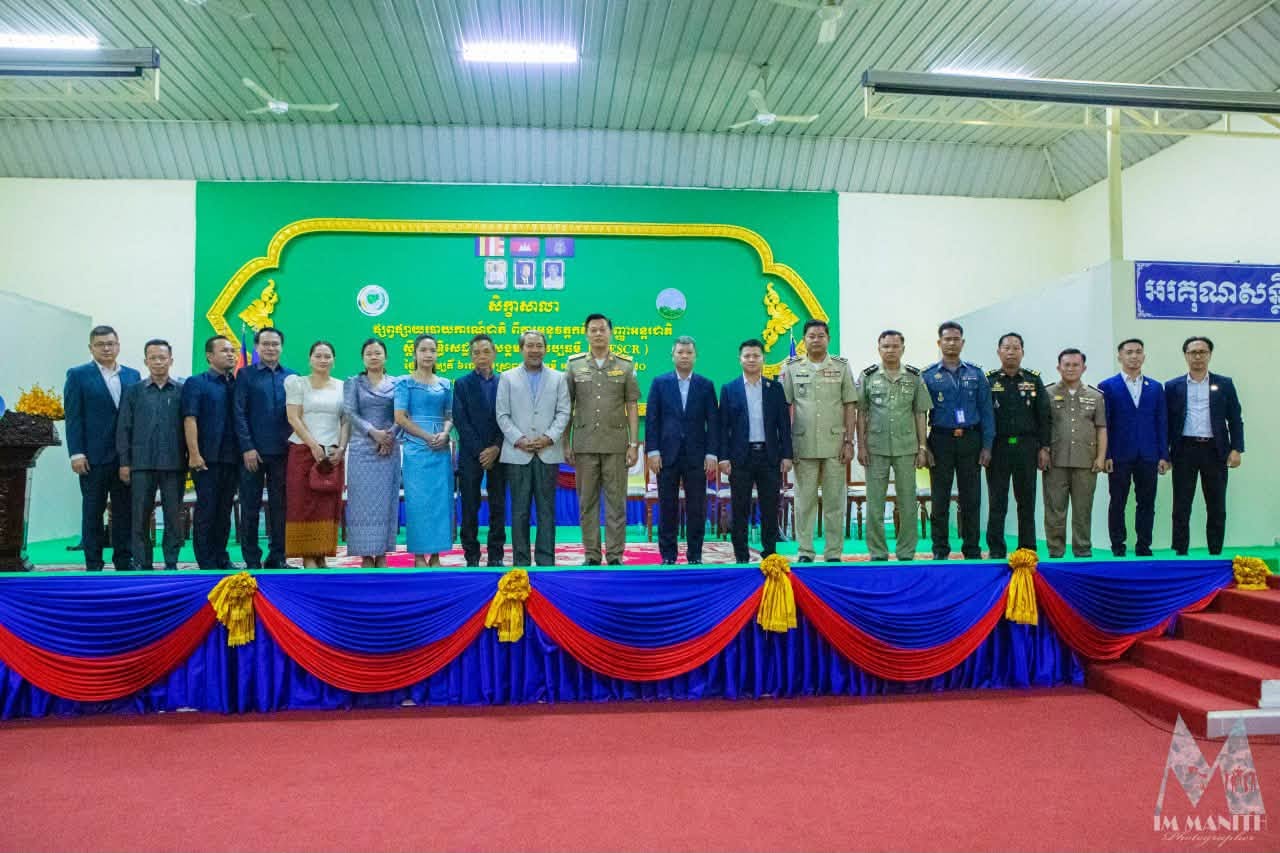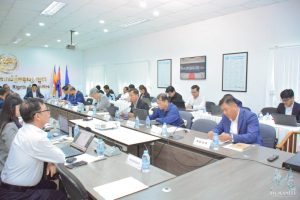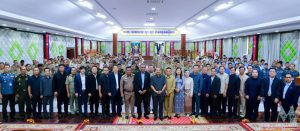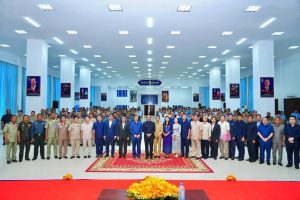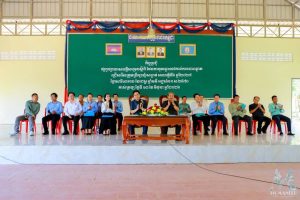
HE Keo Remy, Senior Minister, President of the Cambodian Human Rights Committee (CHRC), chaired the opening ceremony of a workshop held in Kandal province to disseminate the national report on Cambodia’s implementation of the International Covenant on Economic, Social and Cultural Rights (ICESCR).
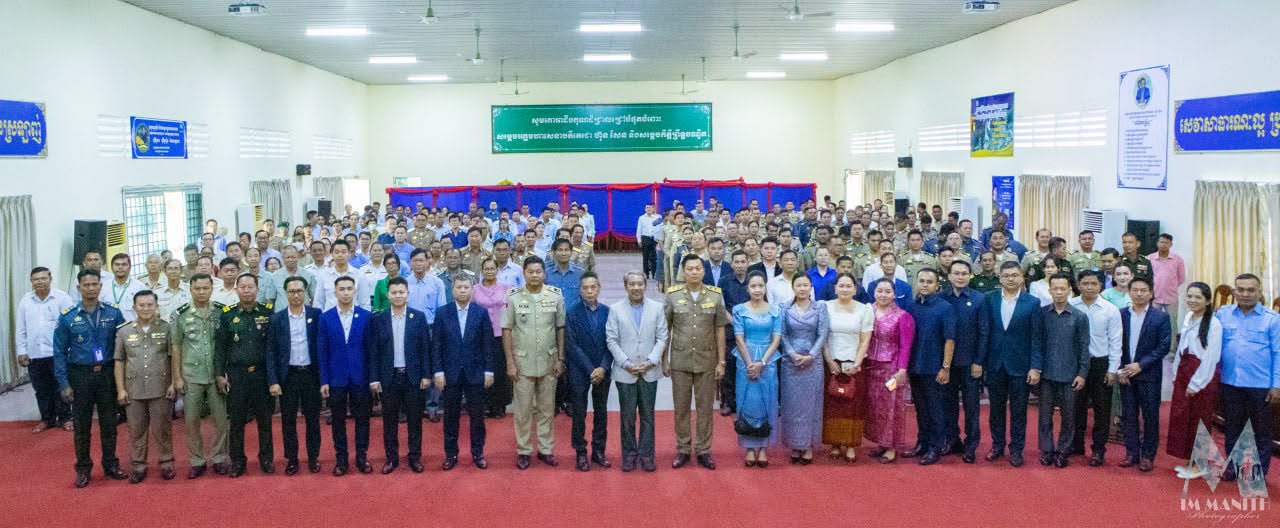 HE Keo Remy, Senior Minister, President of the Cambodian Human Rights Committee (CHRC), chaired the opening ceremony of a workshop held in Kandal province to disseminate the national report on Cambodia’s implementation of the International Covenant on Economic, Social and Cultural Rights (ICESCR).
HE Keo Remy, Senior Minister, President of the Cambodian Human Rights Committee (CHRC), chaired the opening ceremony of a workshop held in Kandal province to disseminate the national report on Cambodia’s implementation of the International Covenant on Economic, Social and Cultural Rights (ICESCR).
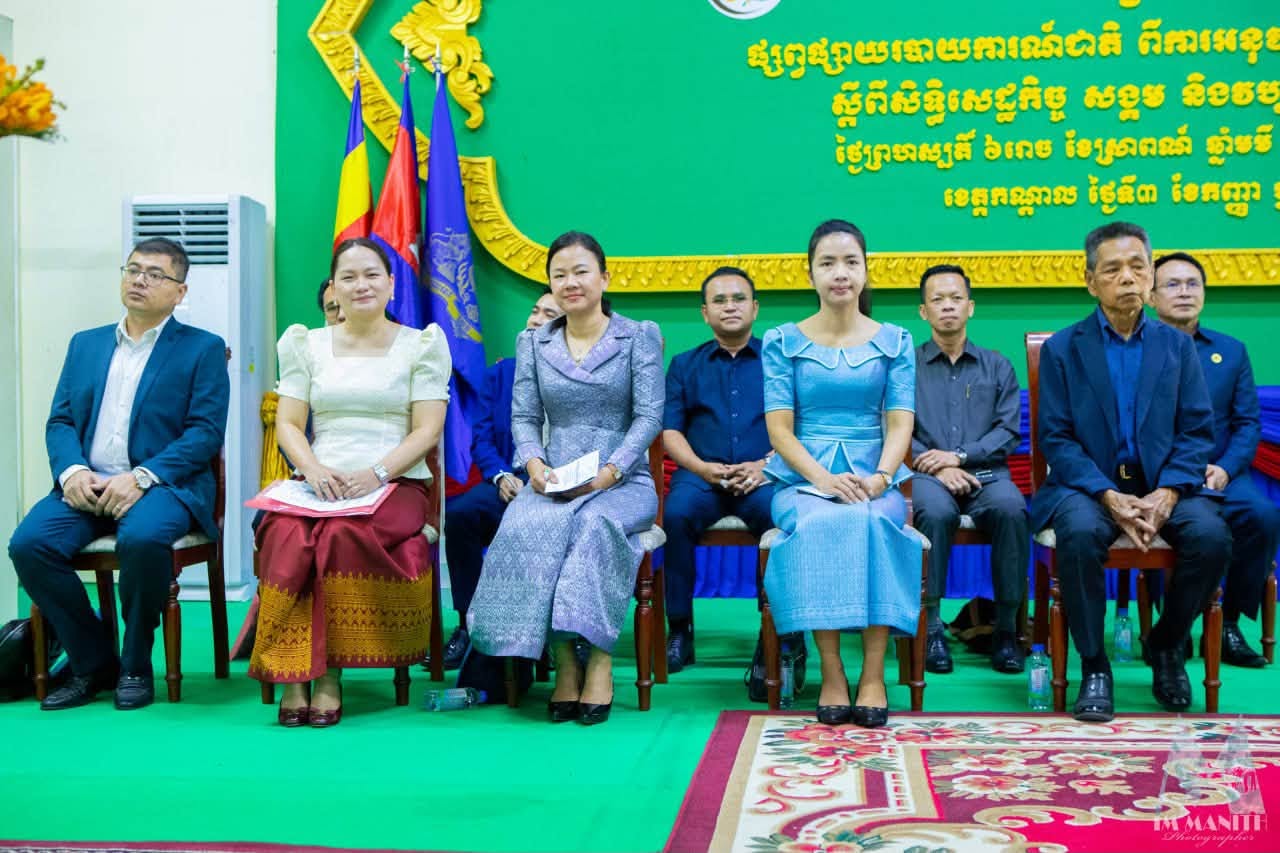
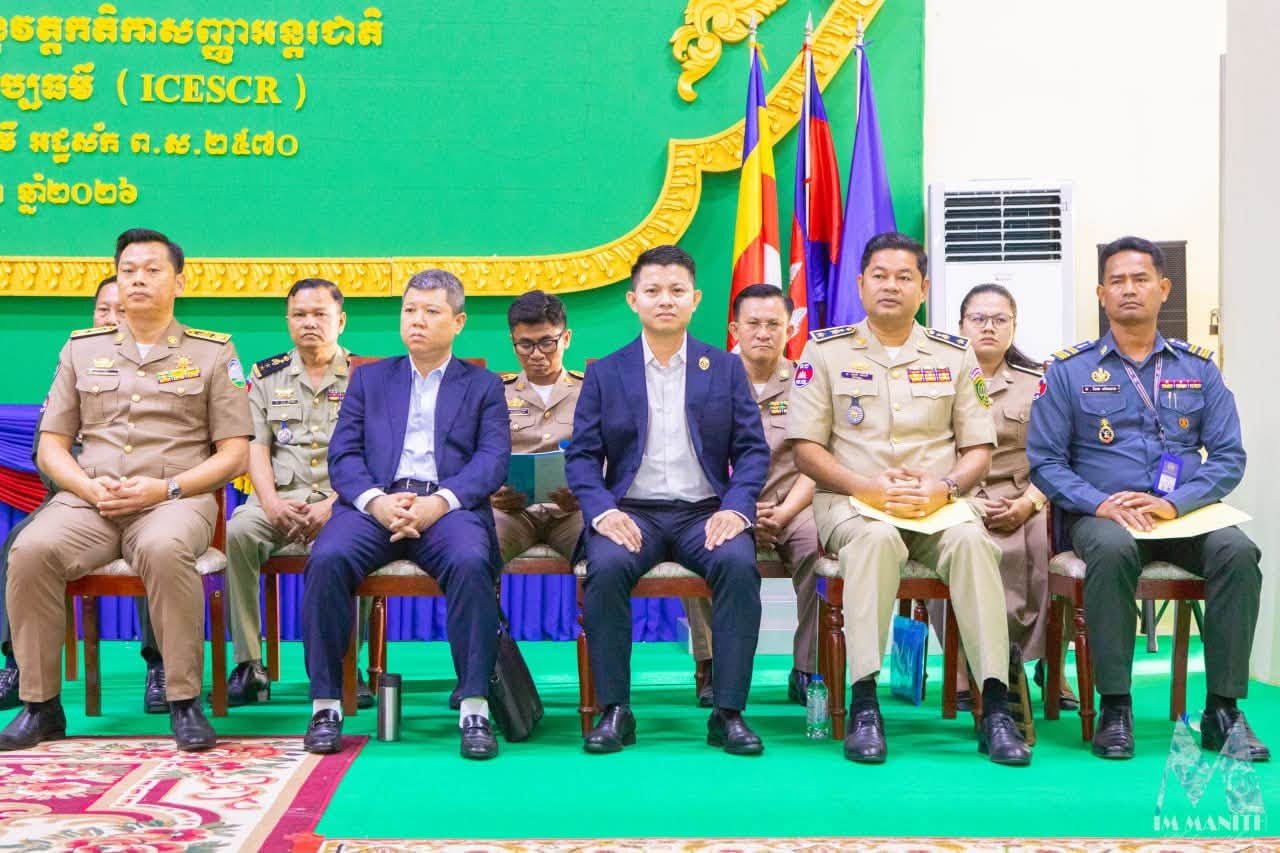
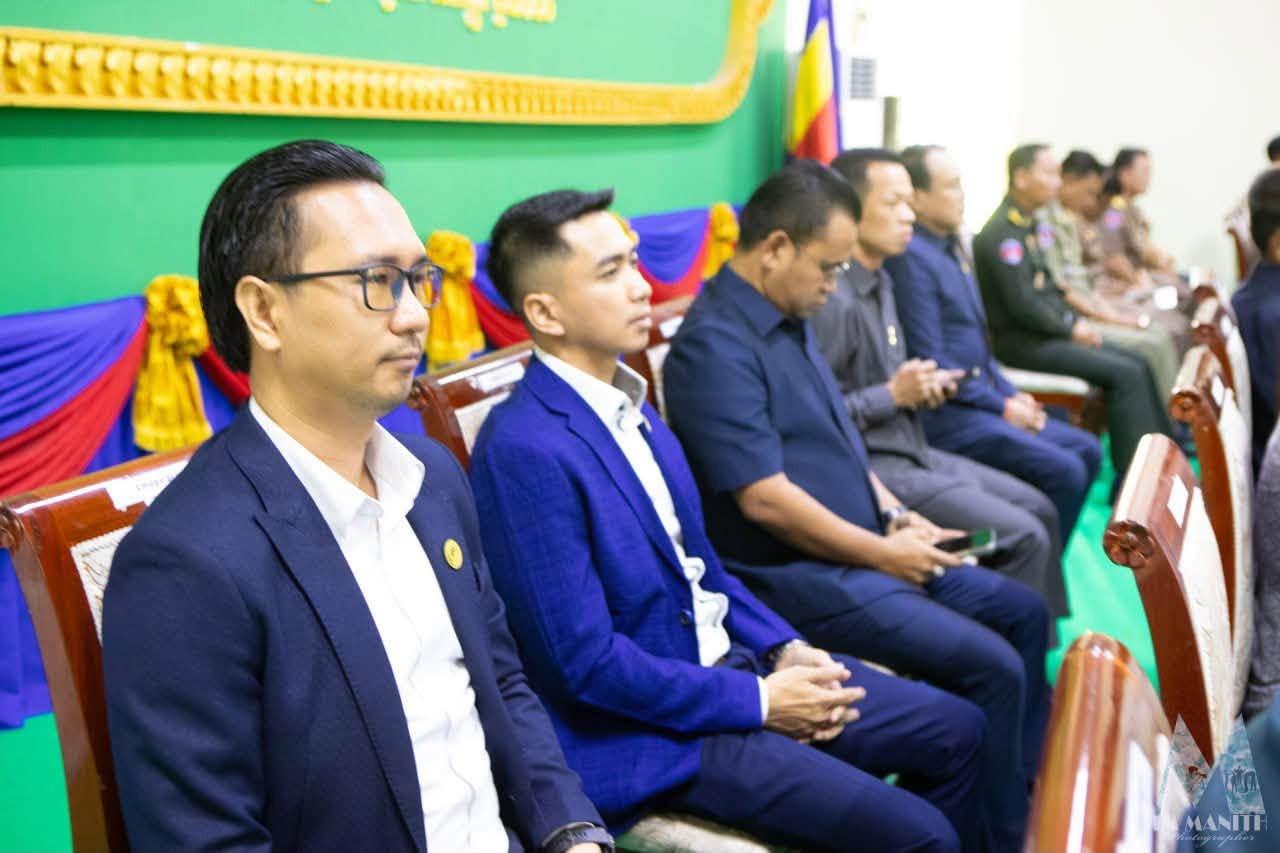
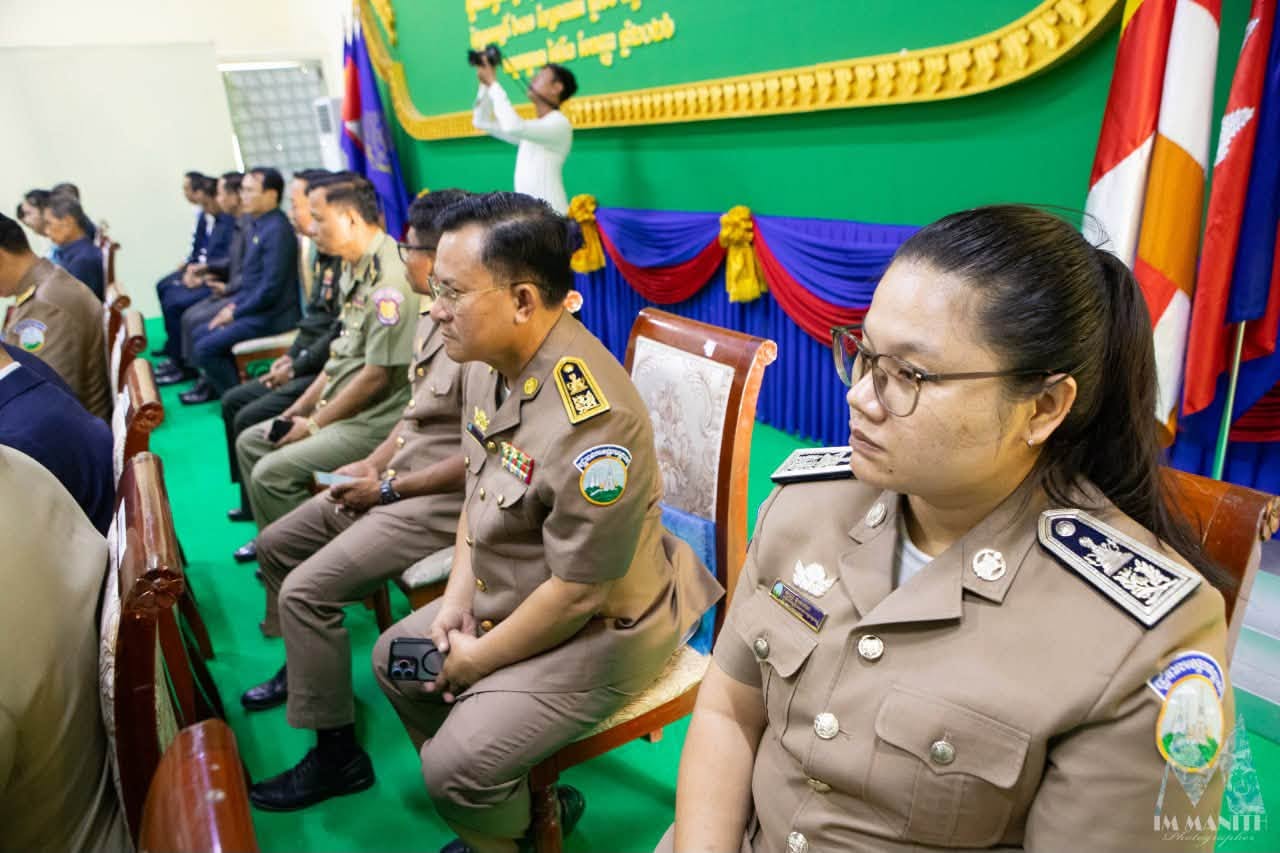
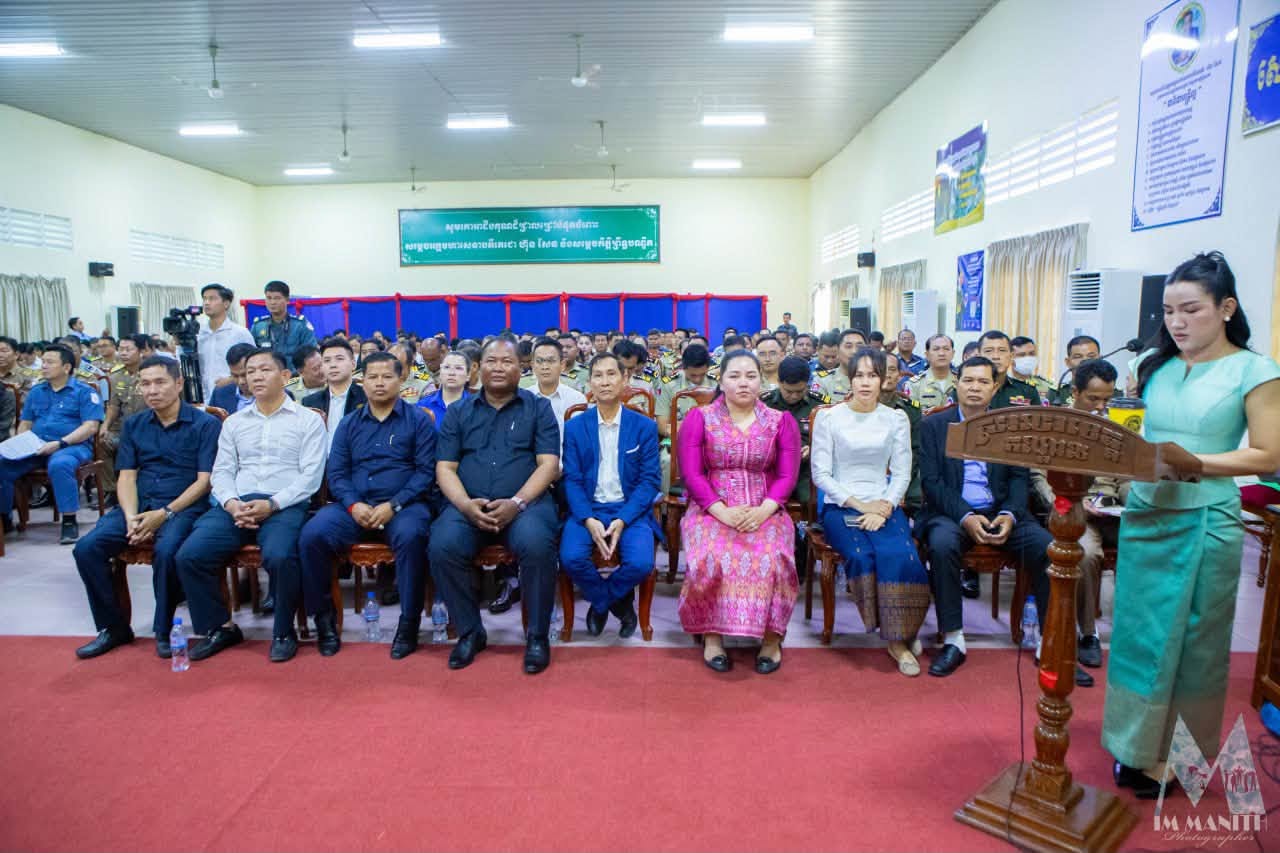
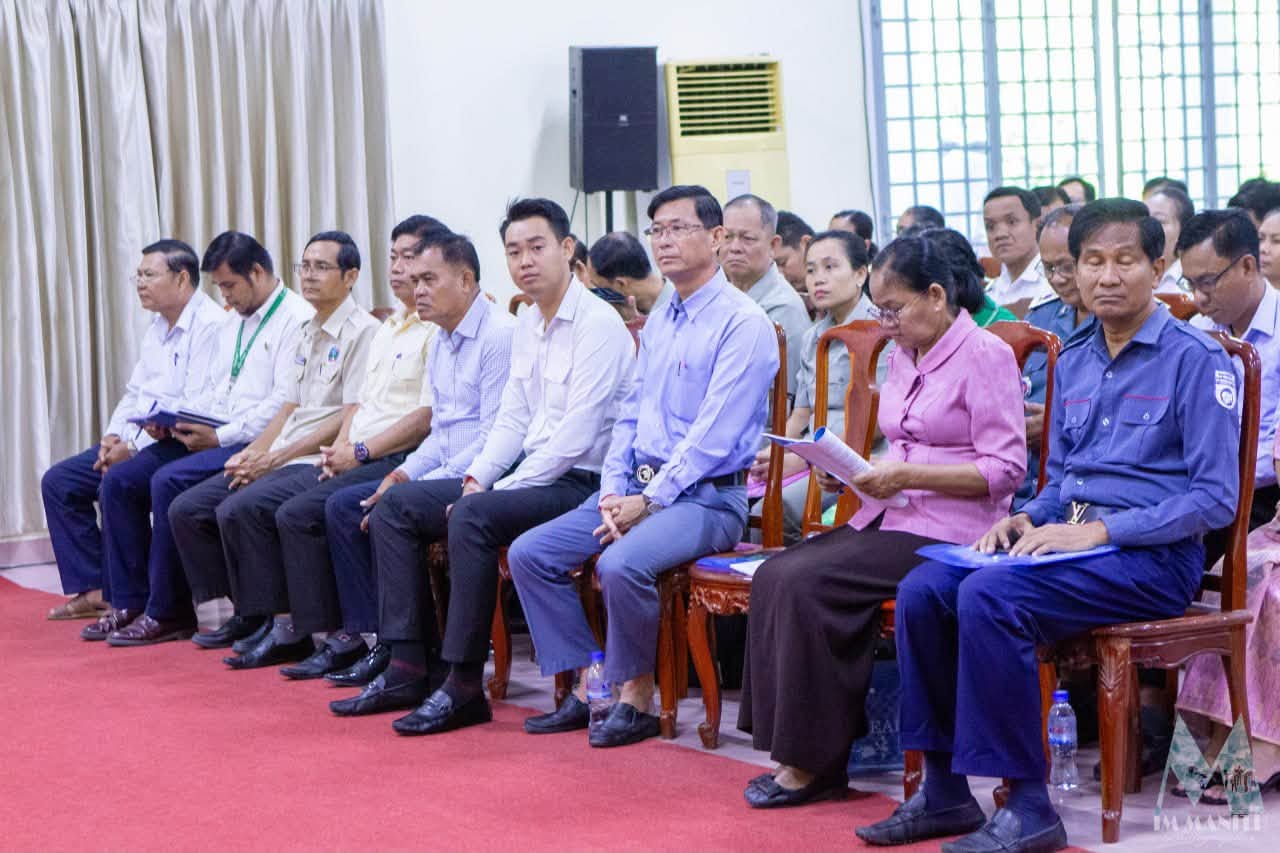
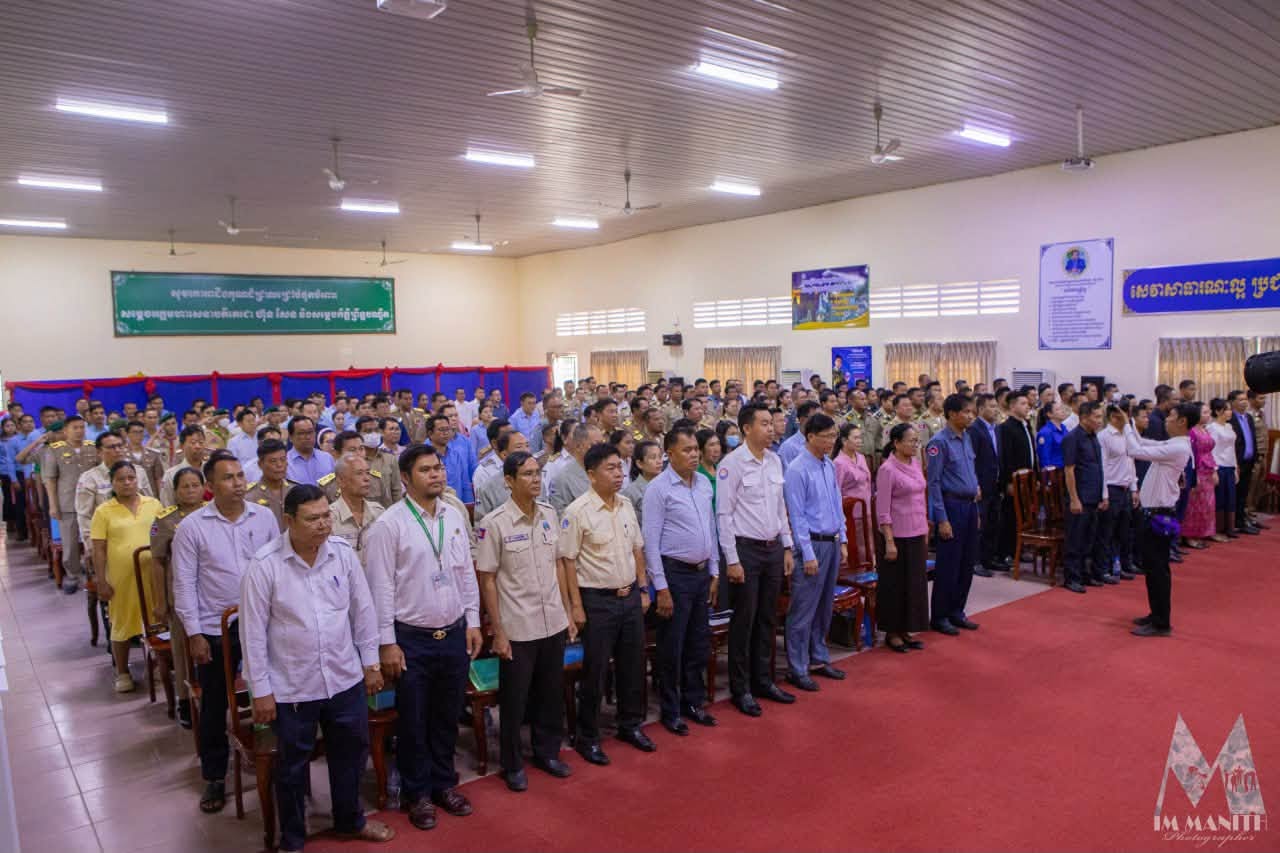
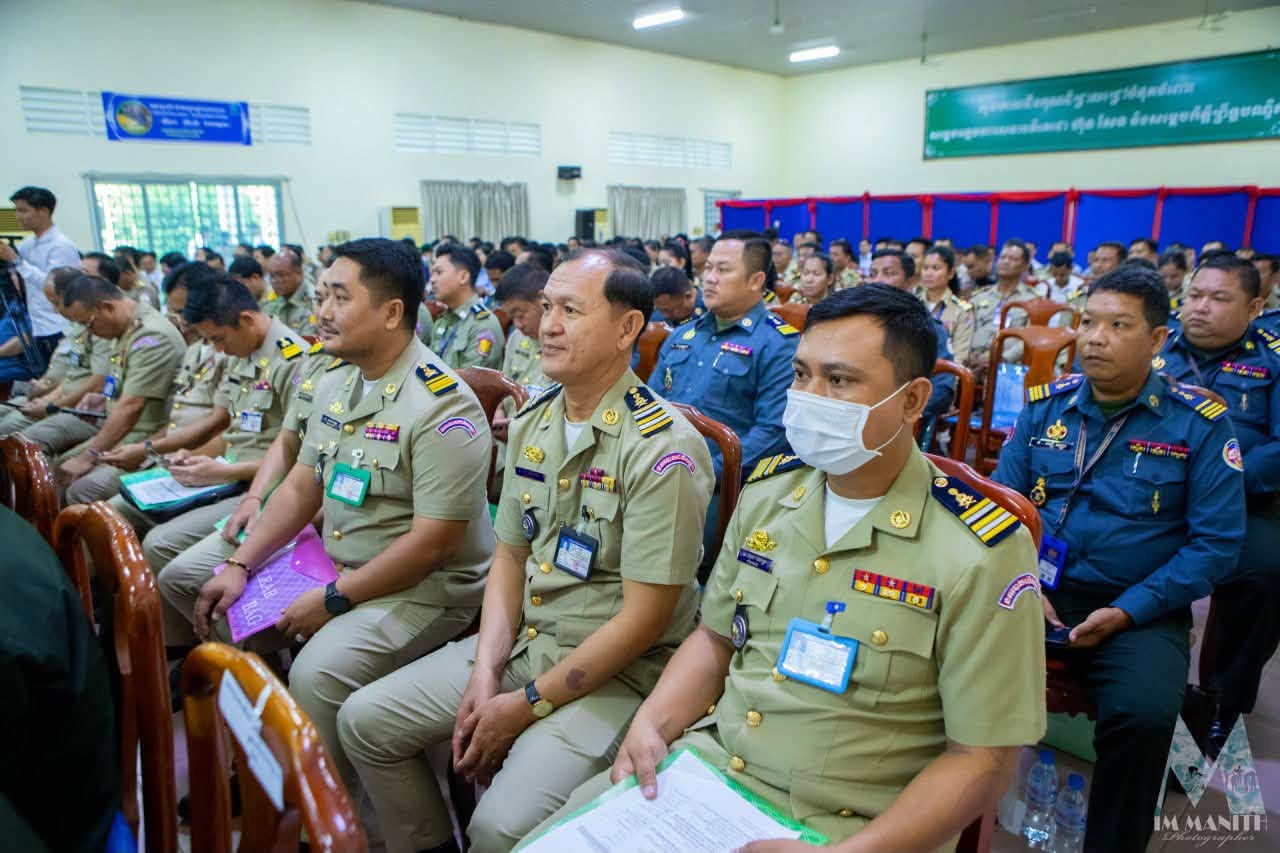
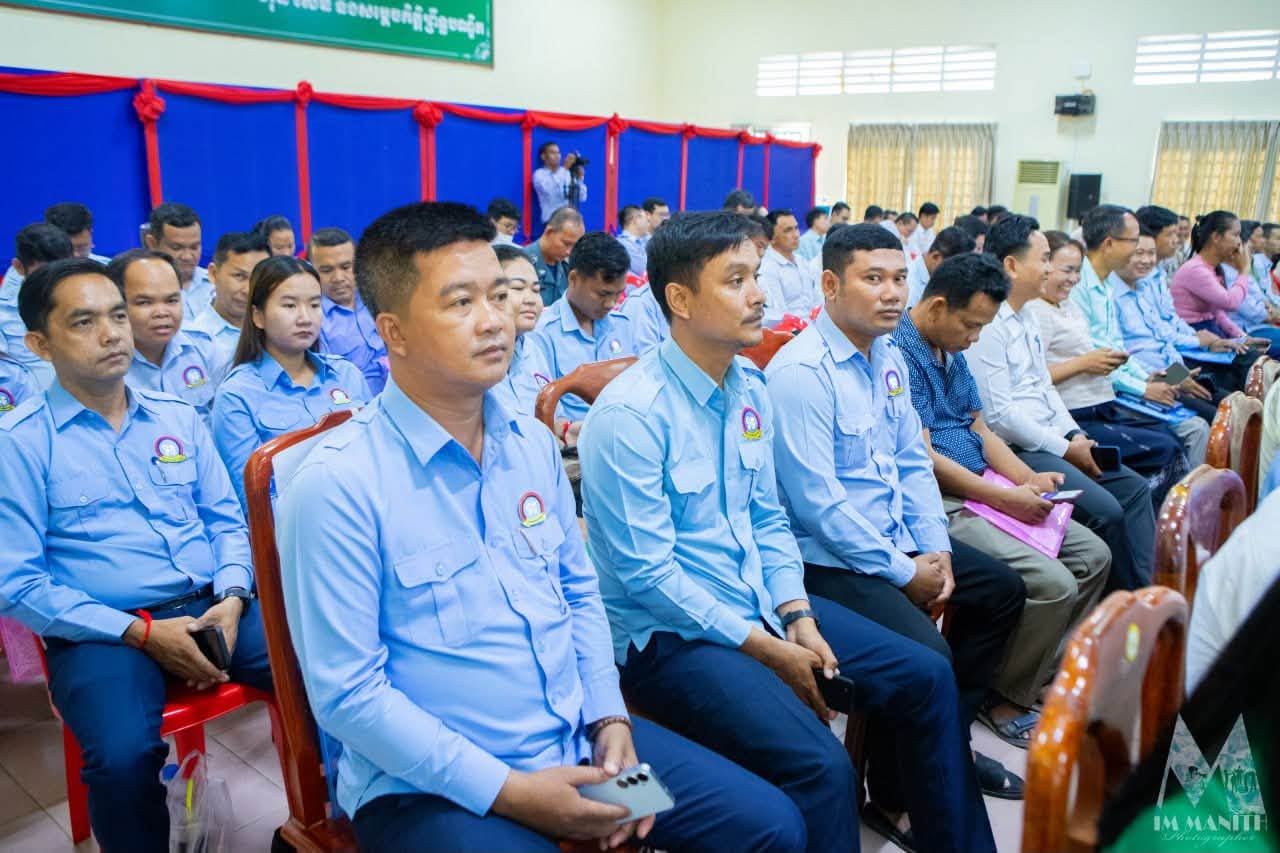
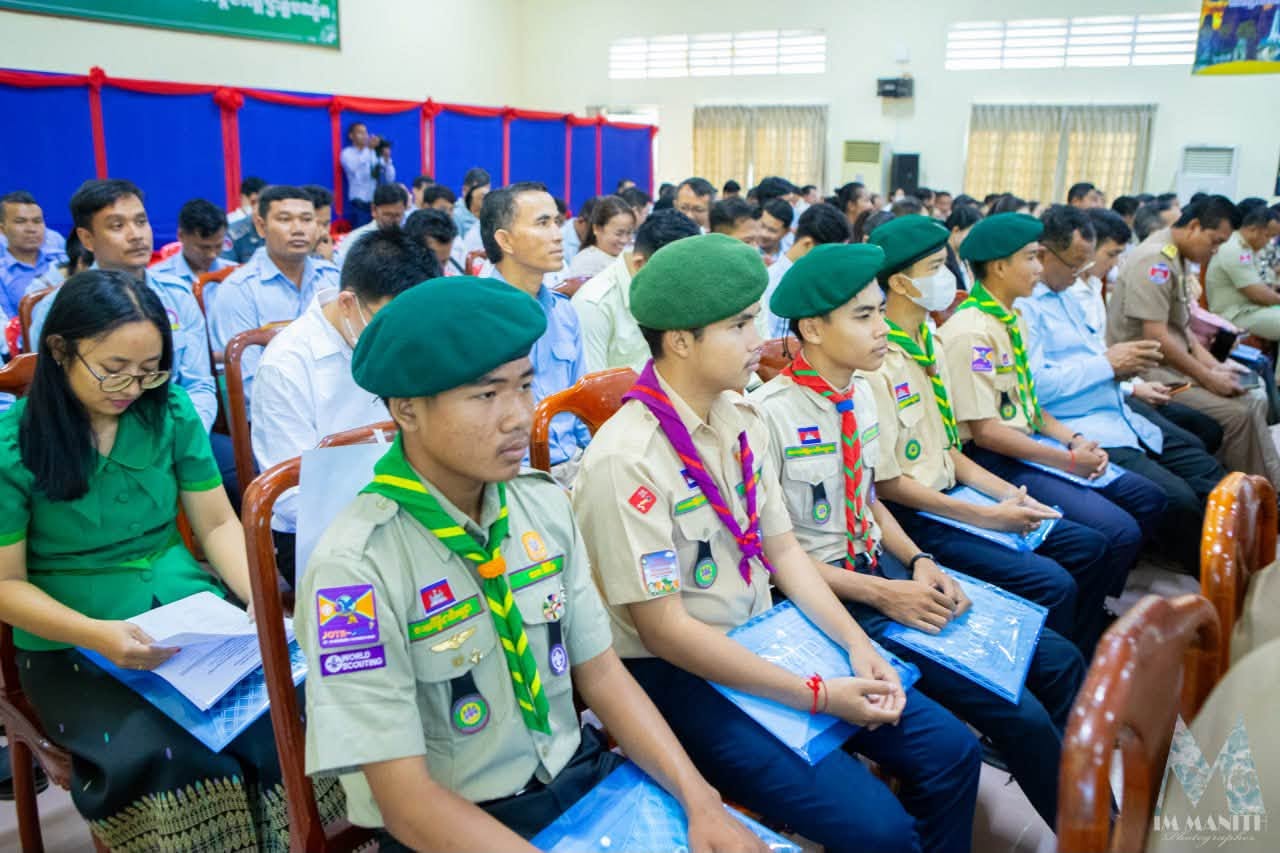
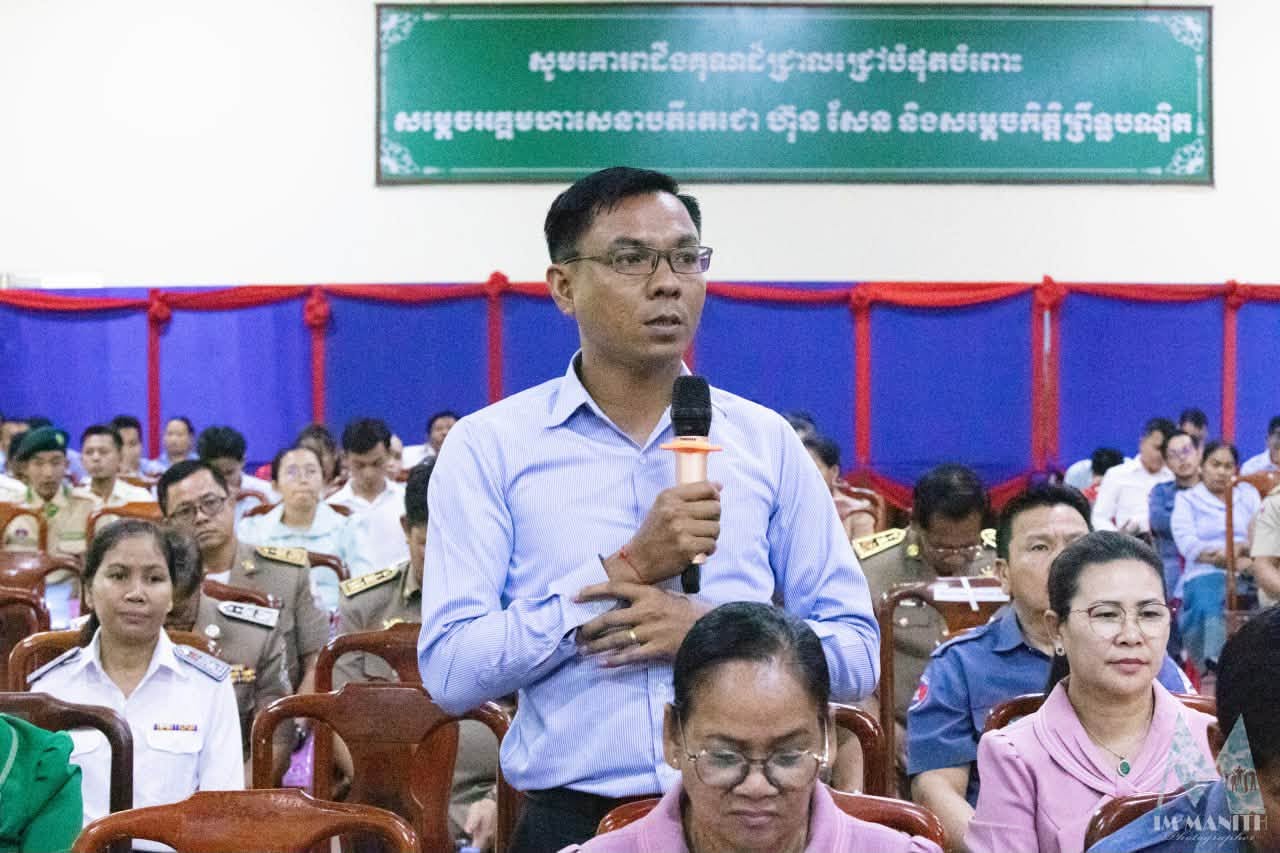
Kandal province: On the morning of Thursday, 3 September 2026, HE Keo Remy, Senior Minister, CHRC President, presided over the opening ceremony of a workshop in Kandal province to present Cambodia’s national report on its implementation of the ICESCR. The event was jointly organised by the CHRC and the Kandal Provincial Administration, and drew around 350 participants. Attendees included representatives from the Provincial Court of First Instance, the Provincial Prosecutor’s Office, the Gendarmerie, the Provincial Administration, the provincial prison, relevant provincial departments, district administrations, and other related institutions. The workshop aimed to raise awareness of the ICESCR, explain the contents of the national report and its concluding observations (recommendations), and encourage active participation from stakeholders at all levels. [This broad engagement was intended] to improve implementation effectiveness and strengthen Cambodia’s reputation in human rights, both regionally and internationally.
He strongly praised the leadership and civil servants of Kandal province for their commitment to raising living standards and advancing key sectors, including infrastructure, healthcare, job creation, and support for vulnerable groups. He especially highlighted education, noting that the province ranked second in the country—after Phnom Penh—in the number of students who earned Grade A in the upper secondary school diploma examination.
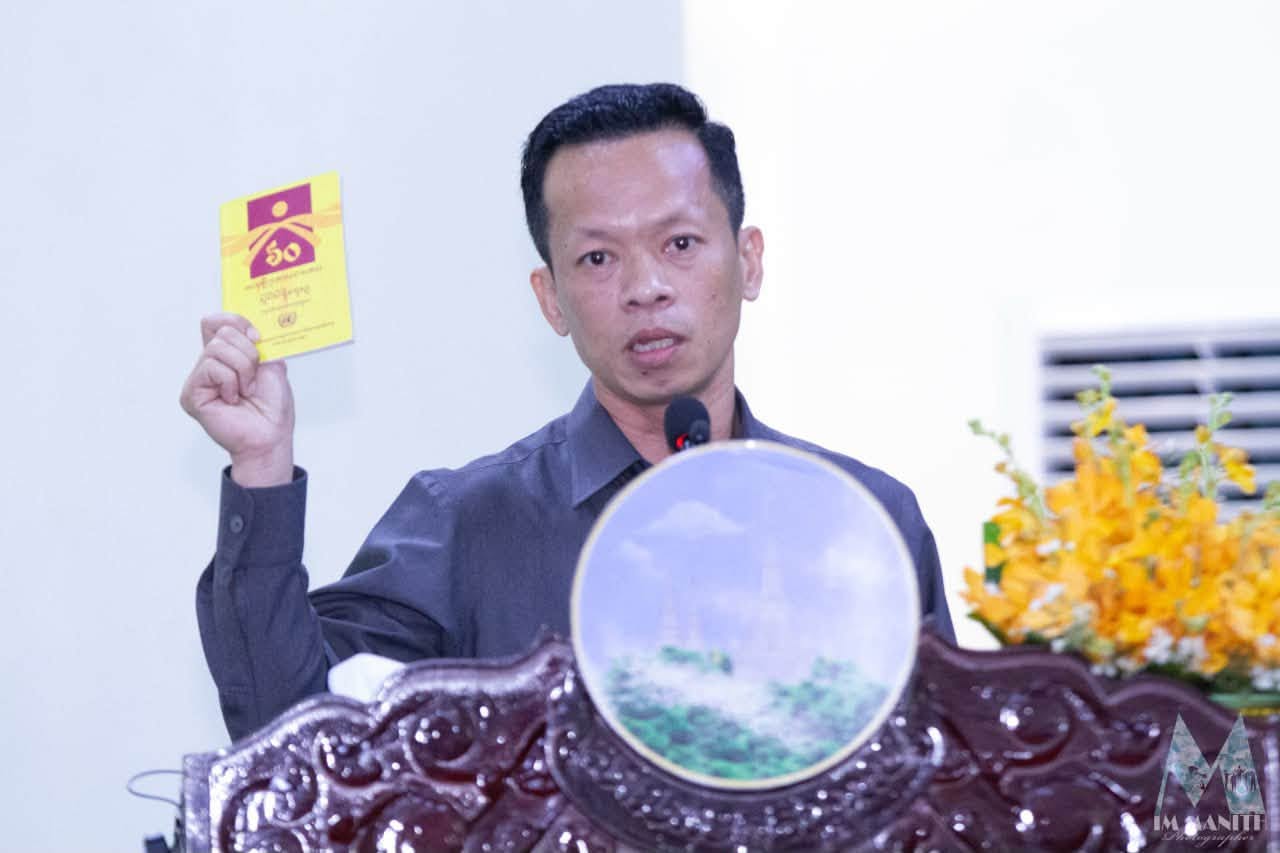
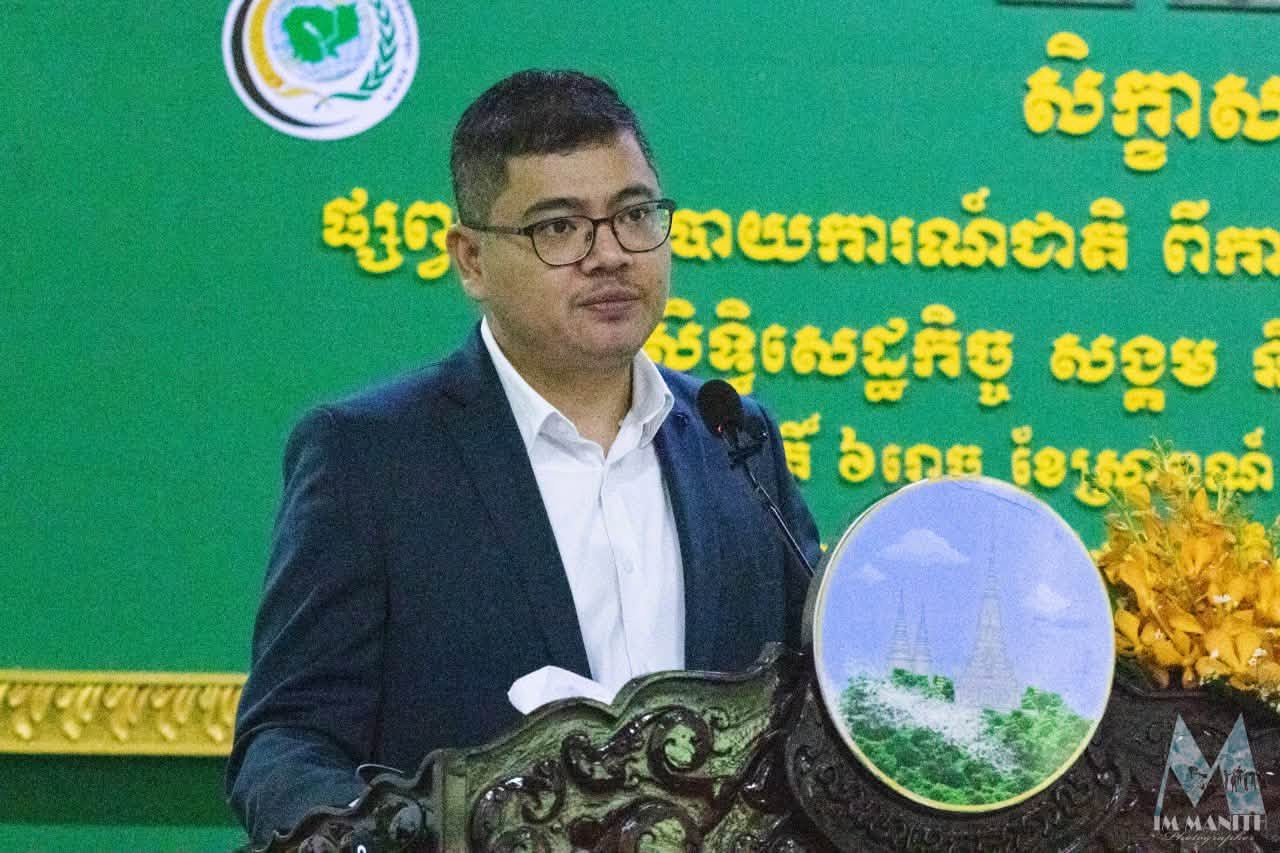
In his remarks, he explained that the workshop is intended to increase awareness of the progress achieved through the Royal Government’s efforts—supported by the CHRC as its secretariat—to promote and protect human rights across all sectors in Cambodia. [He emphasised that the event also] demonstrates Cambodia’s commitment to the United Nations, an important step in strengthening the country’s international standing by showing coordinated action on human rights at both national and sub-national levels. At the same time, he underscored that implementing the ICESCR is fully consistent with the Royal Government’s “Pentagonal Strategy–Phase I,” which seeks to reduce poverty, reinforce social protection, improve the quality of education and healthcare, and expand access to decent employment for all citizens in a fair and inclusive way.
He also pointed out several human rights areas in which Cambodia has taken a leading role regionally and globally, including the abolition of the death penalty and the ratification of eight of the nine core international human rights treaties. In addition, [he noted that] the rights and freedoms of LGBTQI+ persons are recognised without restrictions or punitive measures, and he called for an end to any discrimination or mistreatment against this group, consistent with the Royal Government’s commitment to ensuring that no one is left behind or excluded from society. [He further highlighted that] the Royal Government has agreed to co-sponsor, together with France, the draft resolution entitled “Towards the Universal Decriminalisation of Homosexuality.”
He also emphasised the increasing international recognition of Cambodian youth, pointing to the 7th ASEAN [AICHR] Youth Debate on Human Rights, which Cambodia hosted. At this event, Cambodian participants won three of the five competition categories, outperforming delegates from other ASEAN member states. He further noted that Cambodia has advanced across multiple sectors, including education, healthcare, and social security, with particularly notable progress in sports. As a key example, he highlighted the success of the Cambodian ITF Taekwondo team, which he led to a competition in Mongolia in early August 2026 and achieved commendable results. These accomplishments, he stated, reflect Cambodia’s broader development and civilization, as seen in citizens’ improved quality of life, security, stability, and lasting peace.
He also stressed that the process of presenting and defending national reports before the committees overseeing various international treaties should not be misinterpreted as Cambodia being “summoned” for questioning or subjected to pressure on human rights. Instead, he explained that it is a standard obligation for every state that has ratified a treaty to prepare and present reports in accordance with each treaty’s reporting cycle. He added that engaging with United Nations committees through this process provides a constructive dialogue, allowing Cambodia to highlight its genuine achievements, correct misunderstandings or unfounded claims, and receive useful recommendations to further strengthen law enforcement systems and national policies. He further noted that Cambodia continues to uphold religious harmony, reflecting the freedom of religious belief.
On the same occasion, he addressed the Cambodia–Thailand border dispute, highlighting the active role of the CHRC. He noted that the CHRC had submitted 60 petitions, statements, and letters of protest; carried out 10 visits to military [units] and displaced persons; and conducted active human rights missions in Geneva, Switzerland. He further explained that the CHRC’s communications documenting various human rights violations against Cambodia have been formally submitted to both United Nations mechanisms and ASEAN regional human rights bodies. These violations include the unlawful detention of Cambodian soldiers after the ceasefire, the use of heavy weaponry—including cluster bombs, which are banned in armed conflict—as well as the deployment of toxic smoke and noise disturbances, the destruction of public property and heritage sites, and the theft of private property. He affirmed that the CHRC will continue to closely monitor the situation and work with national and international institutions to safeguard the right to life, security, and safety of displaced citizens and of Cambodian troops carrying out their duties to defend the country’s territorial integrity.
In closing, he warmly thanked the leadership of Kandal province, civil servants, and all relevant institutions for their cooperation in ensuring the workshop was well organised and actively attended. He also encouraged all participants to carefully consider the recommendations pertinent to their respective areas of work, so as to strengthen and improve their implementation.