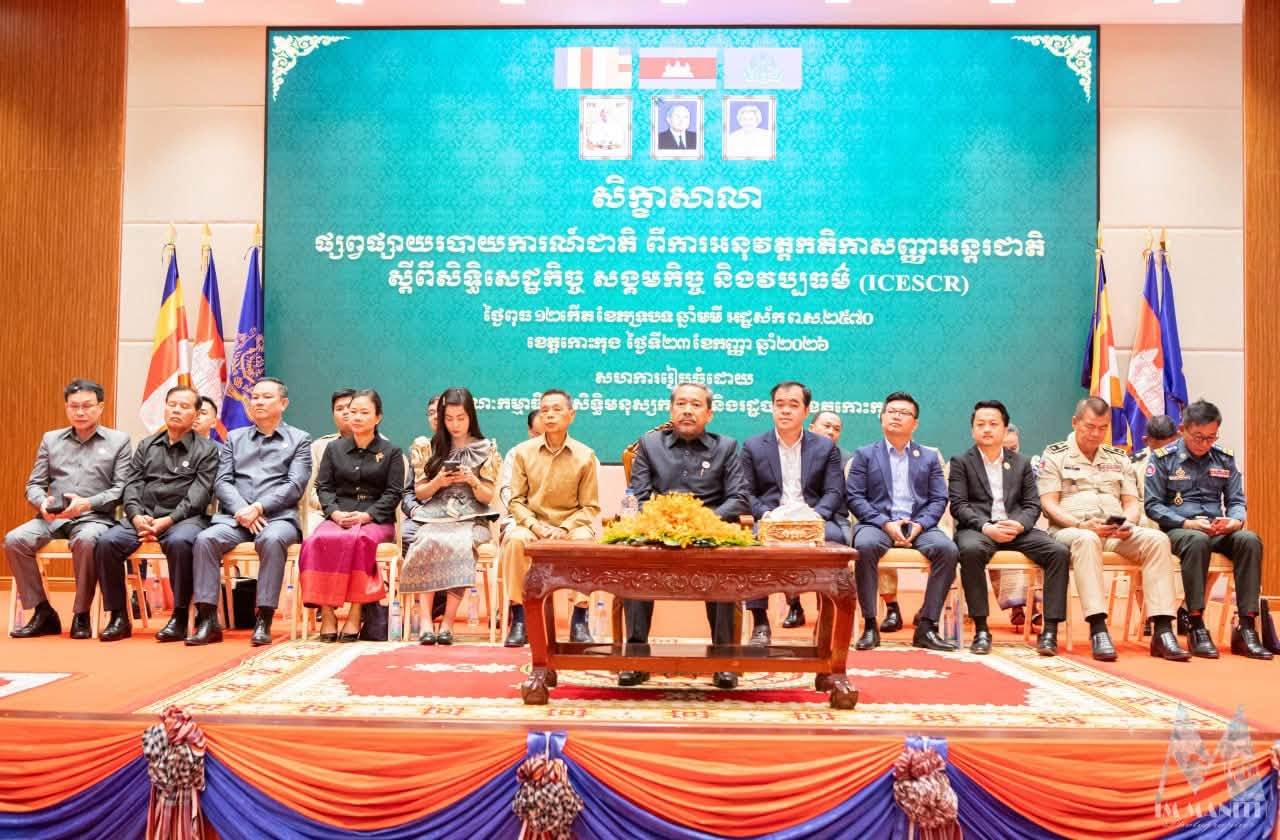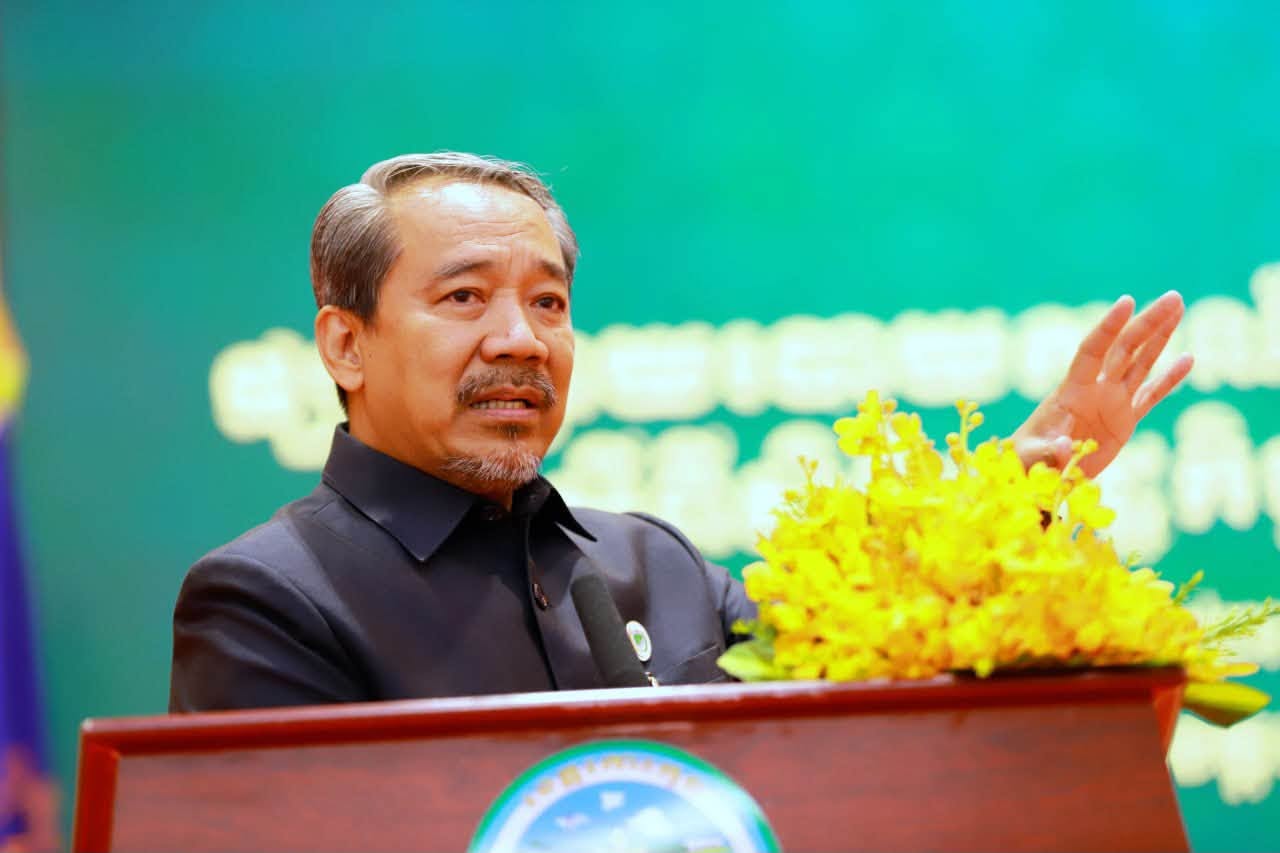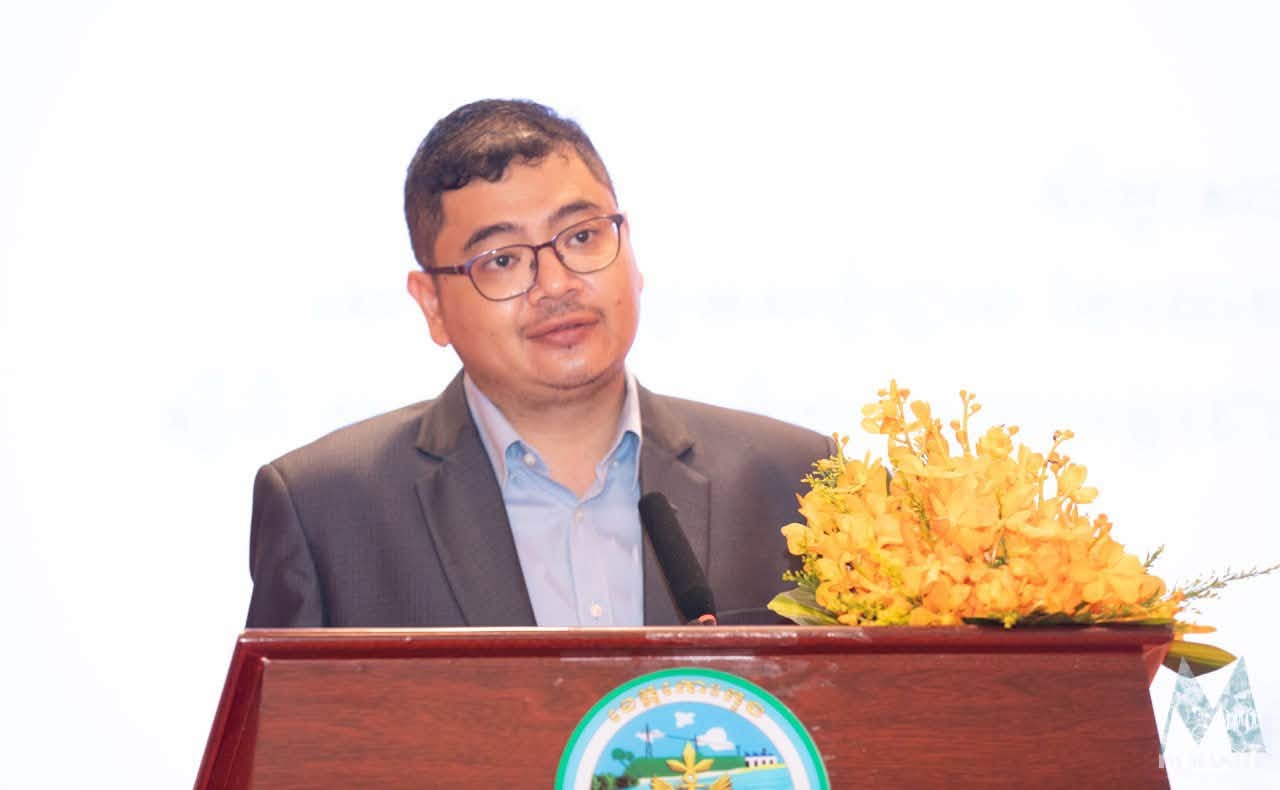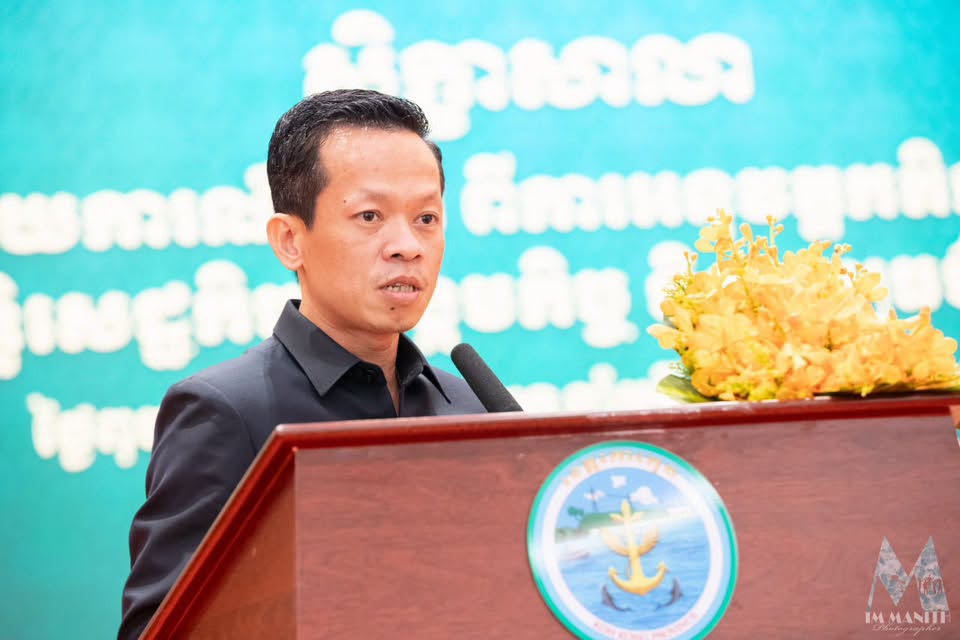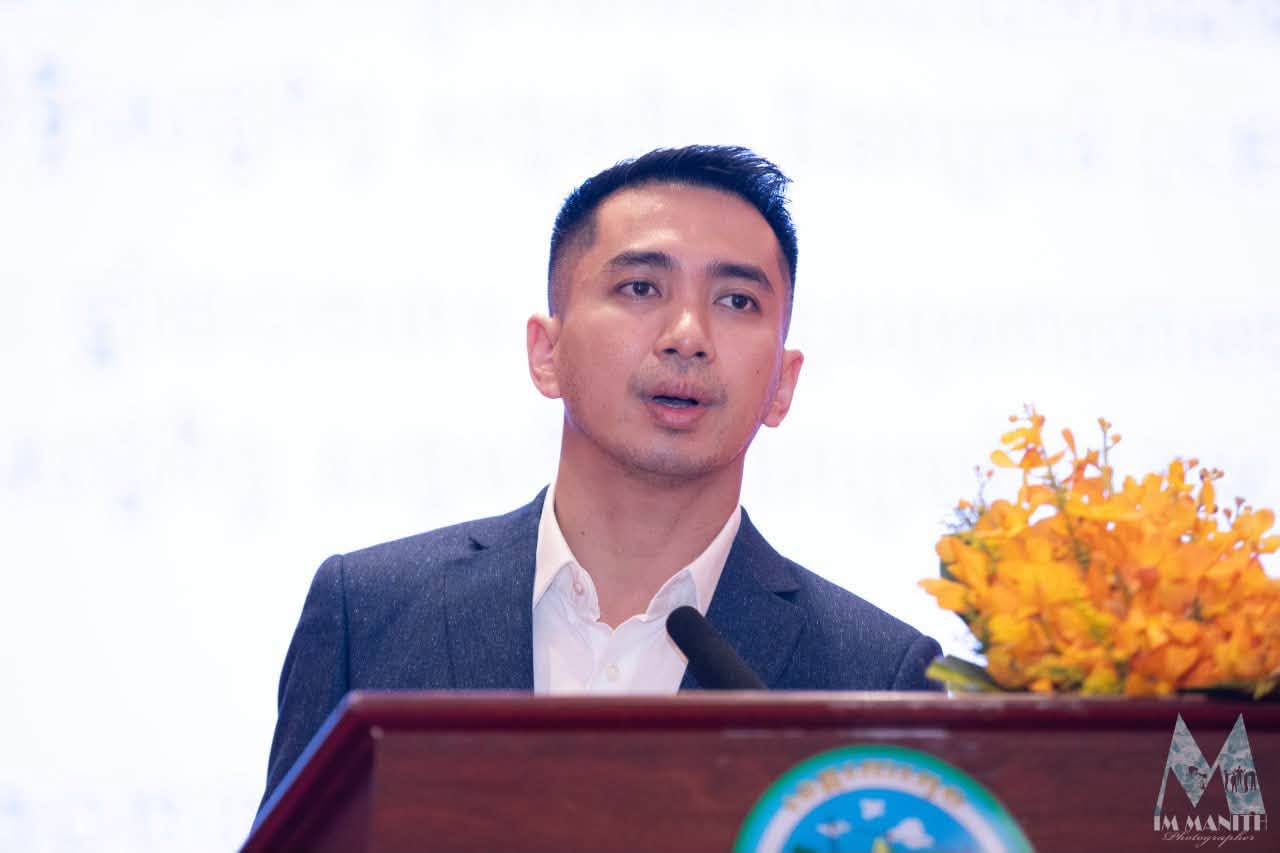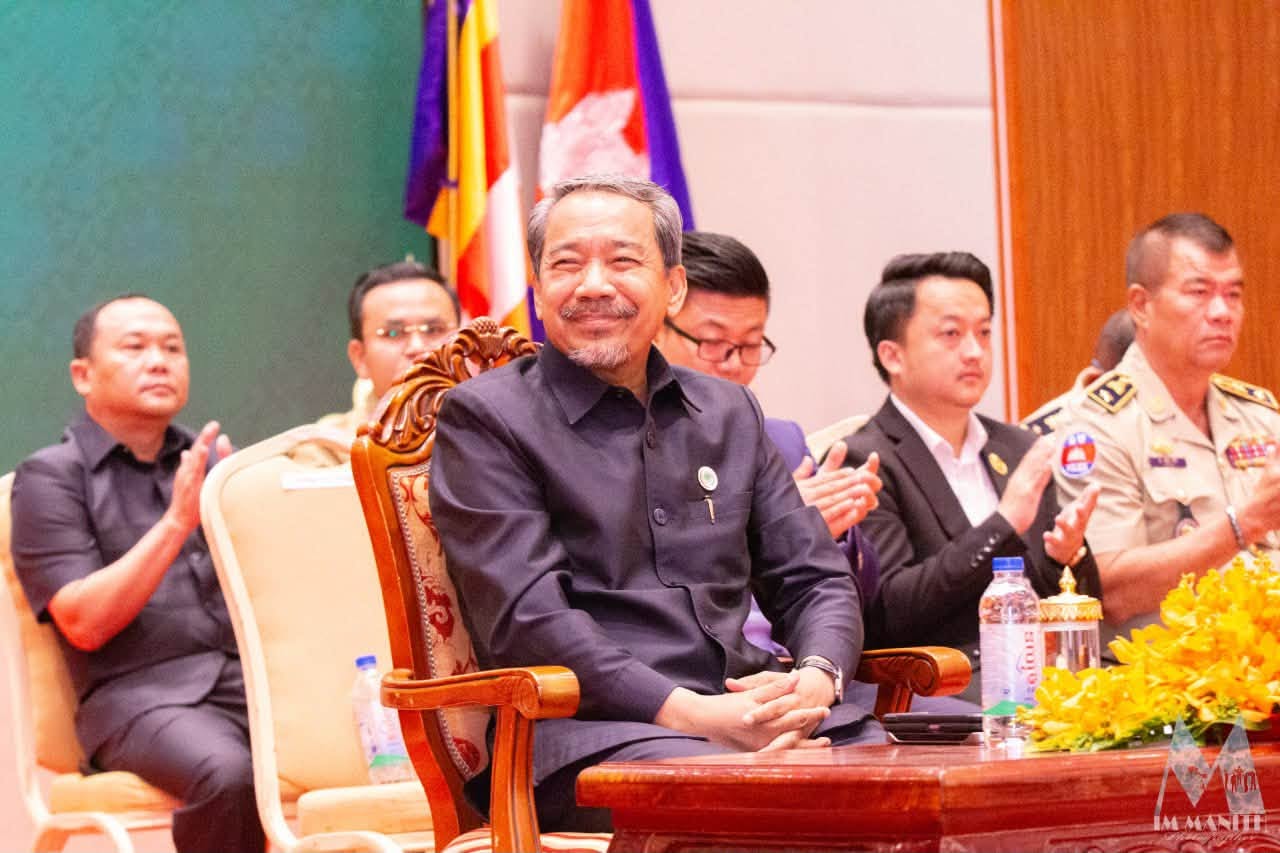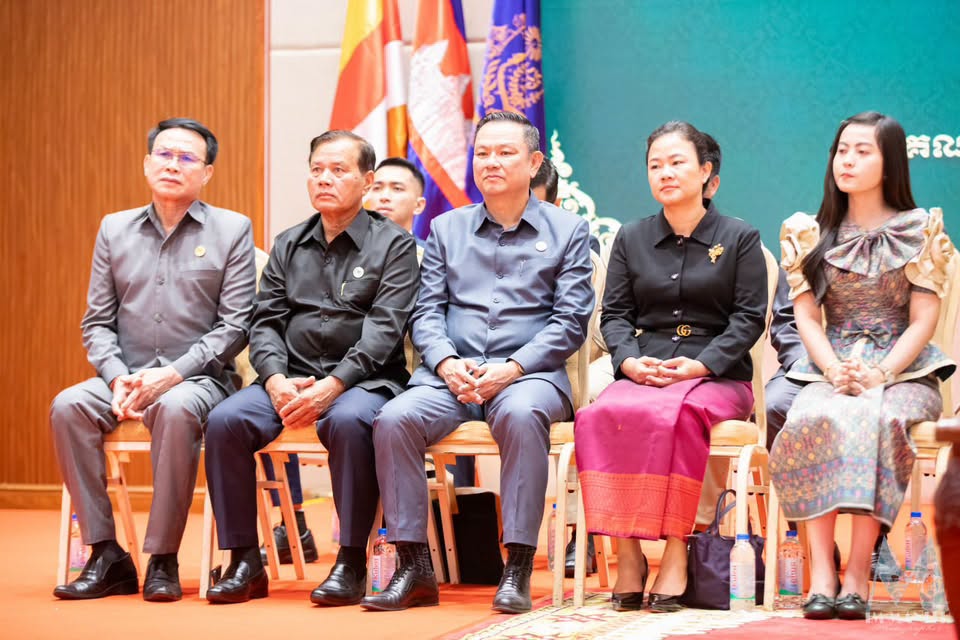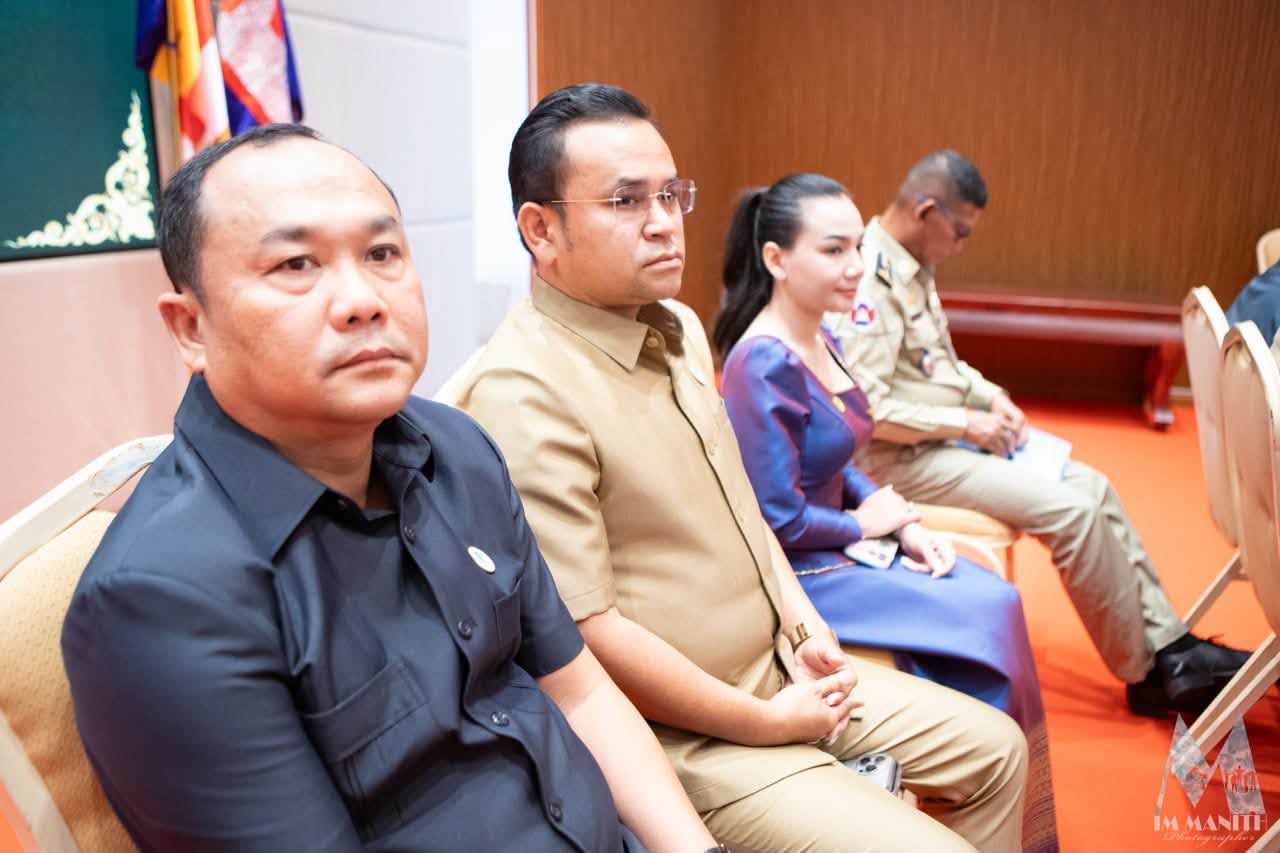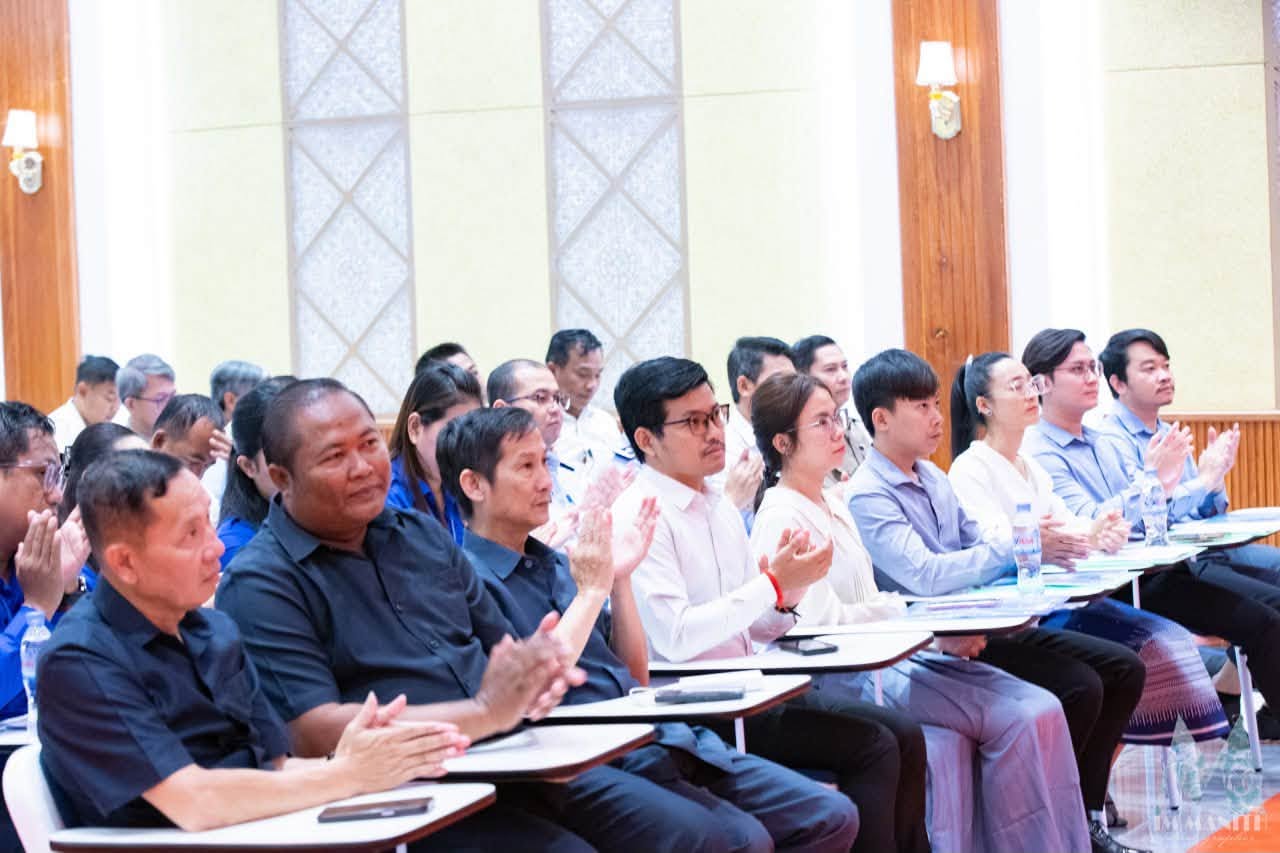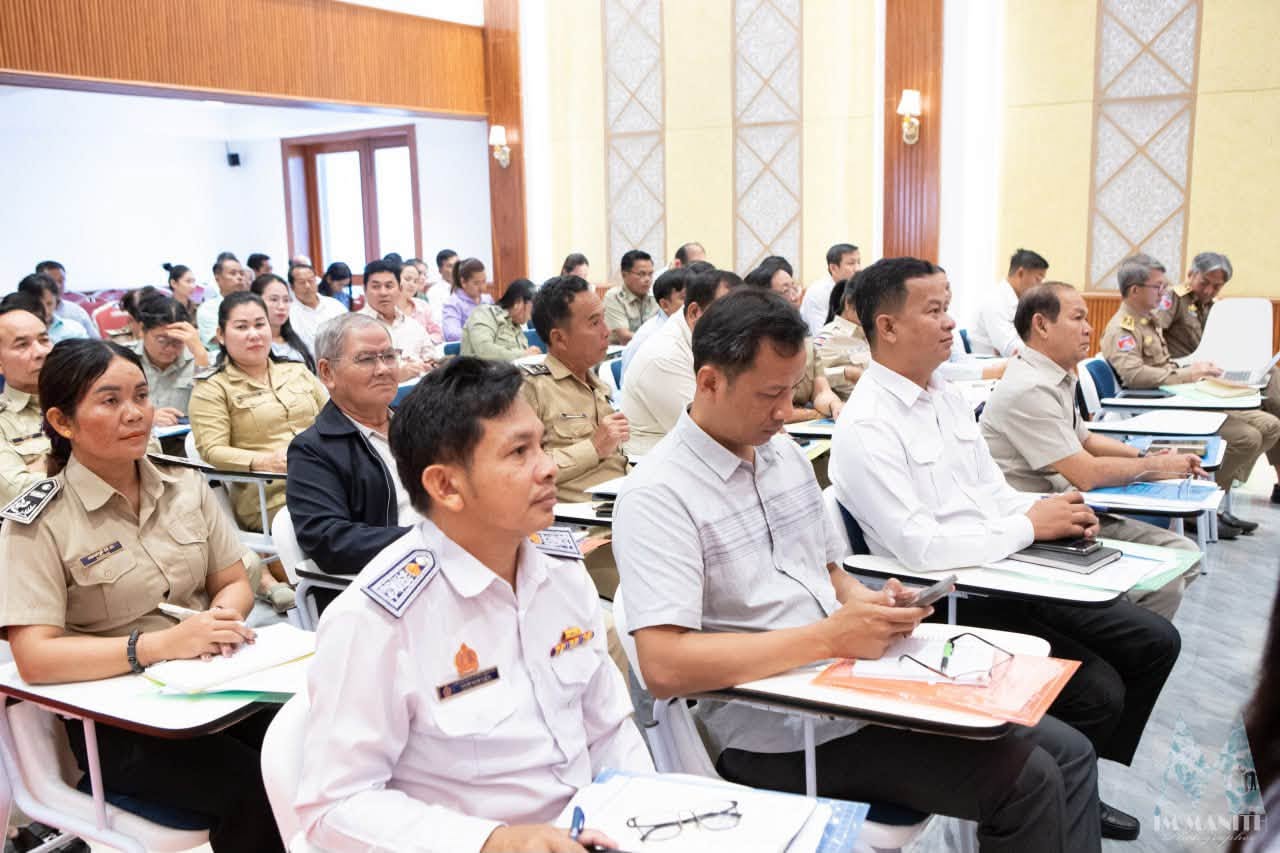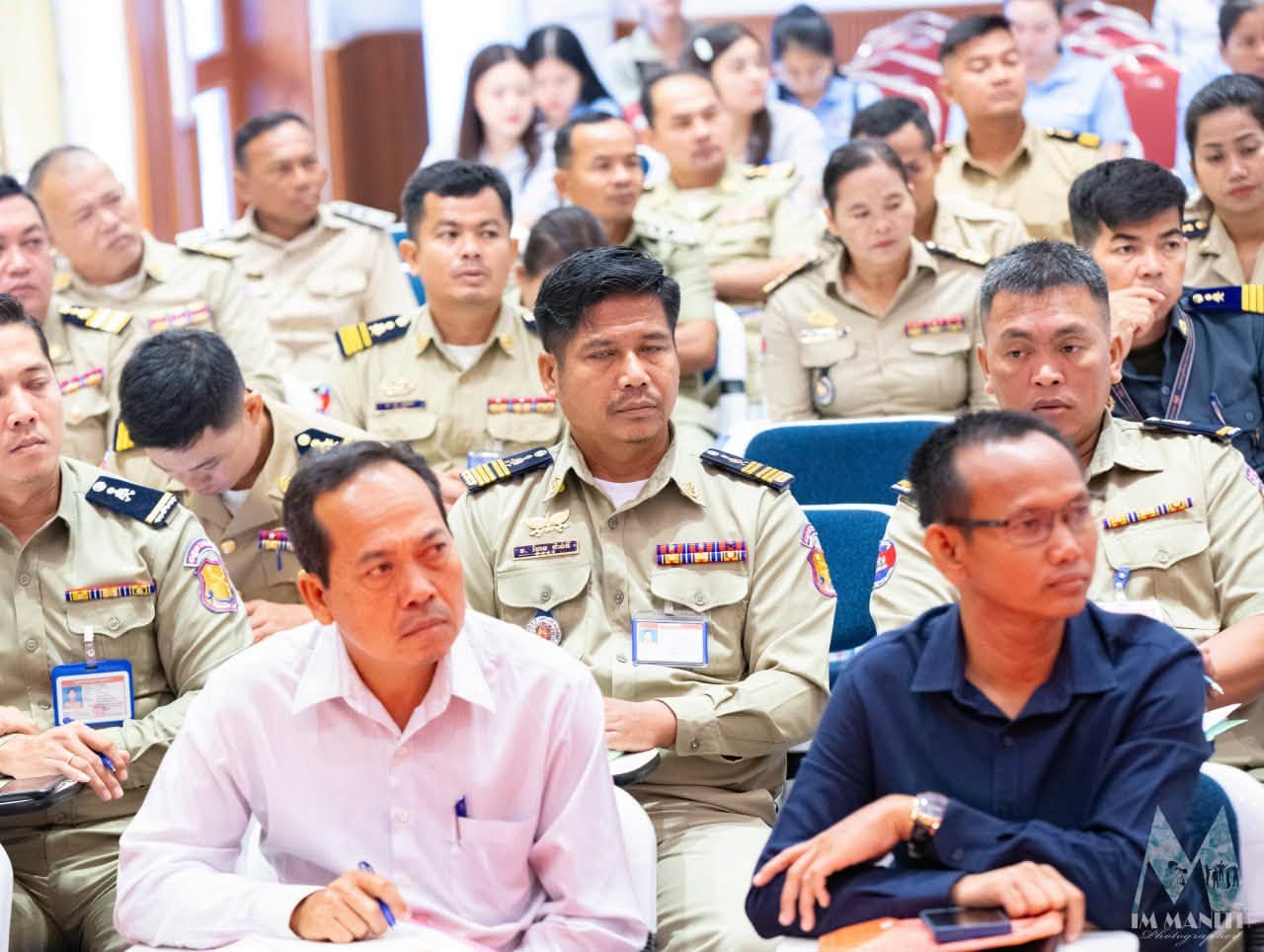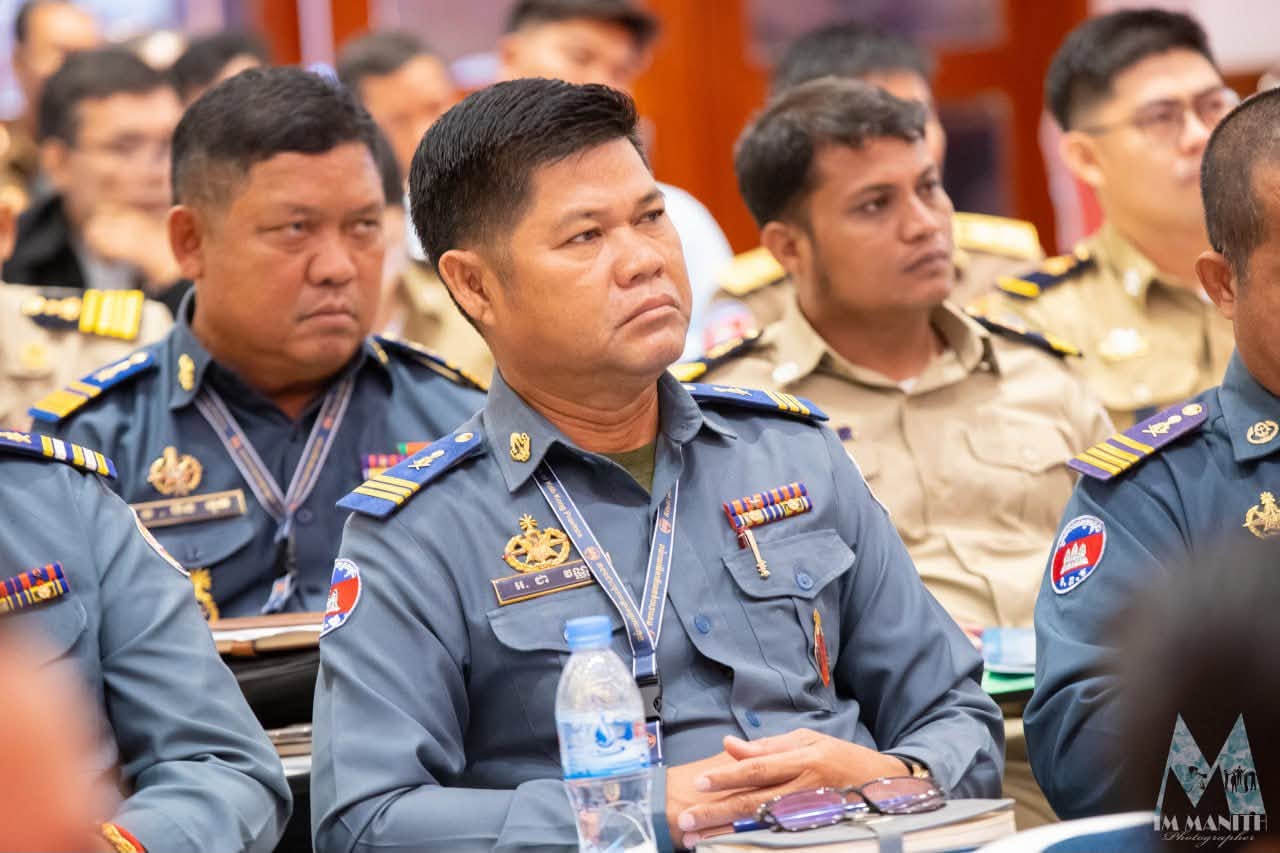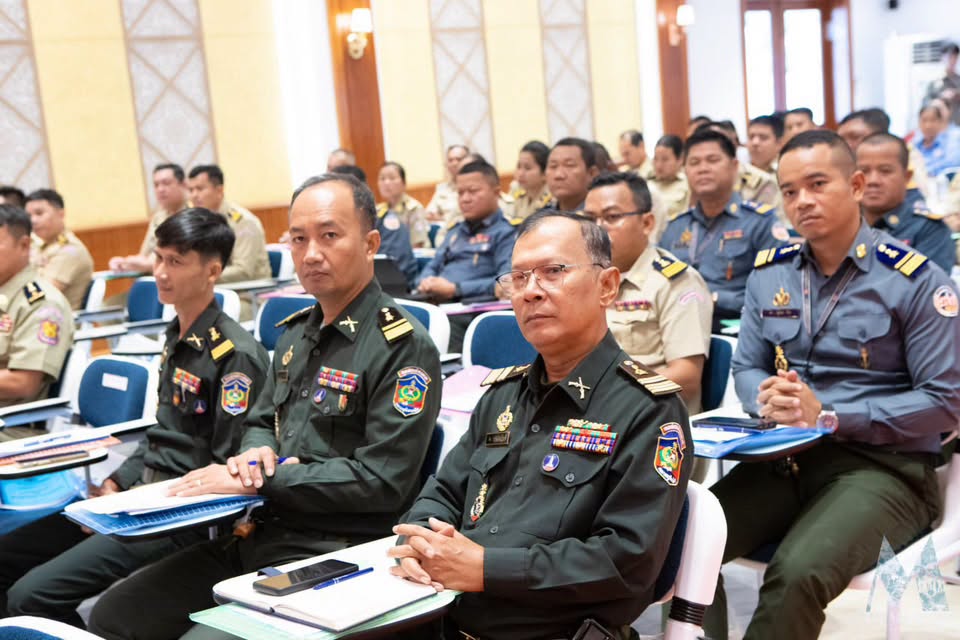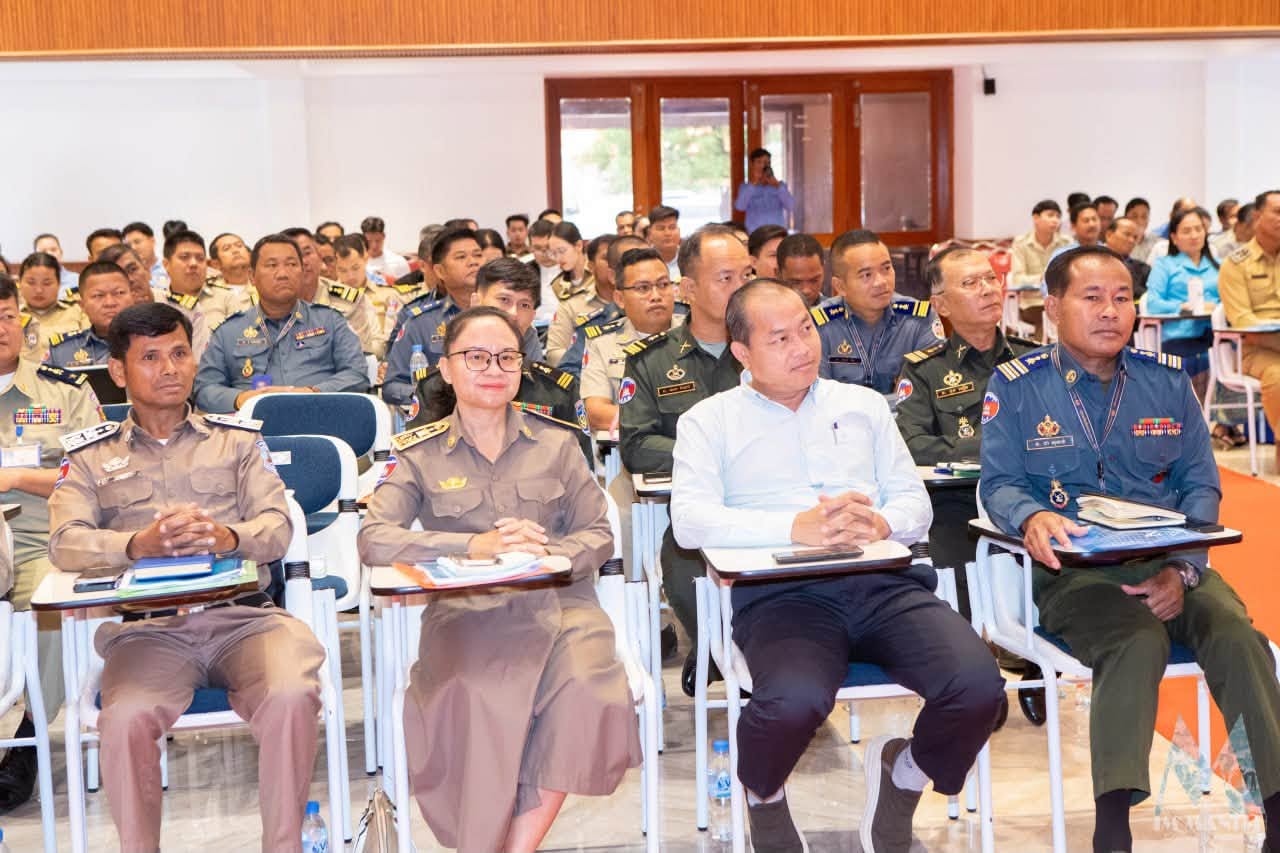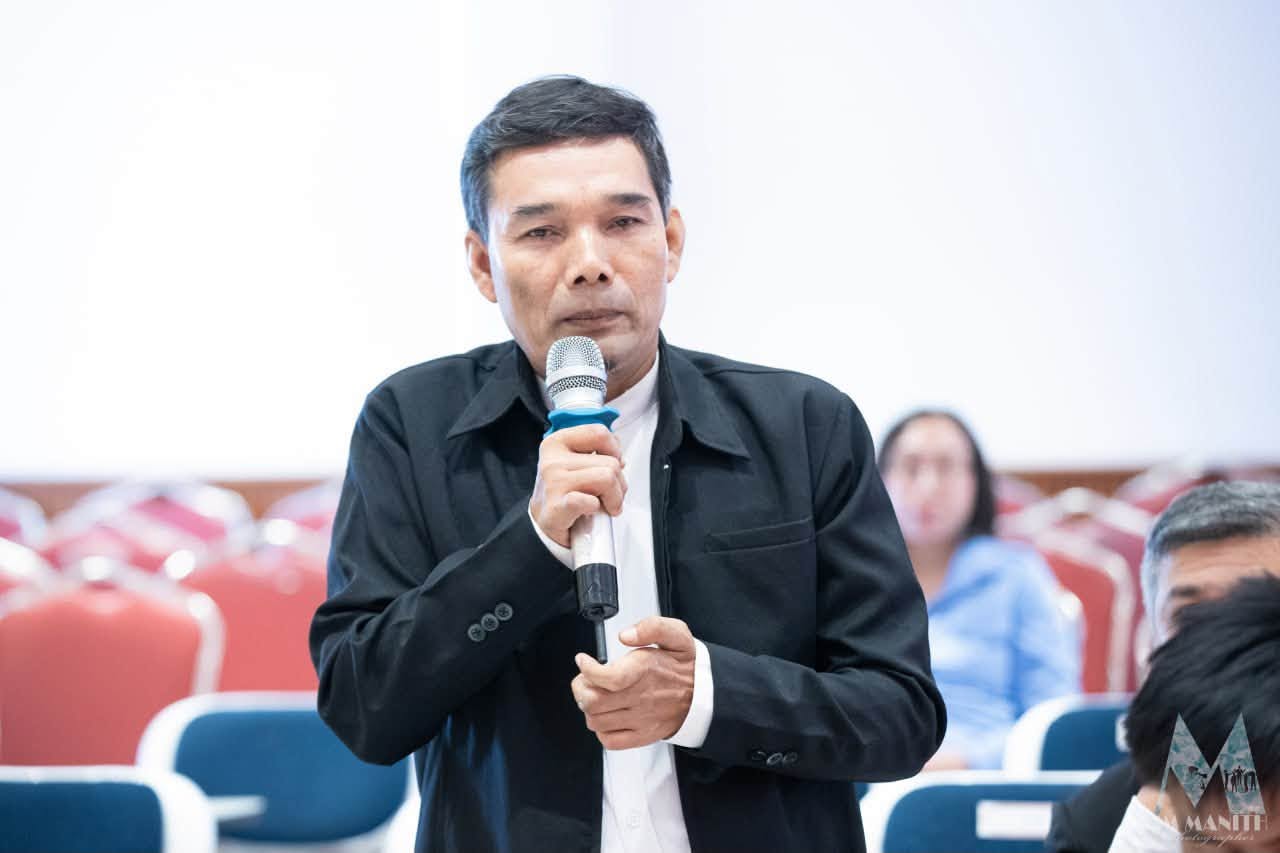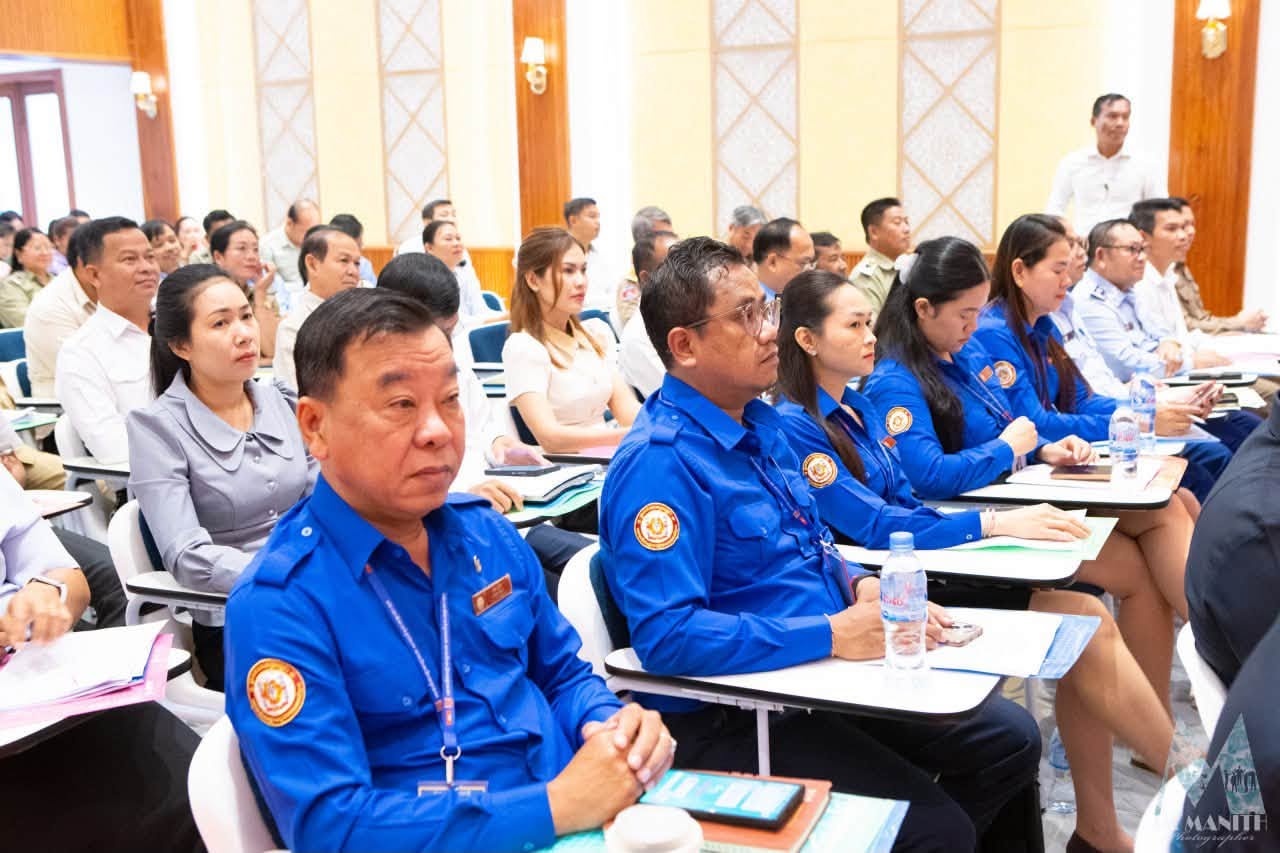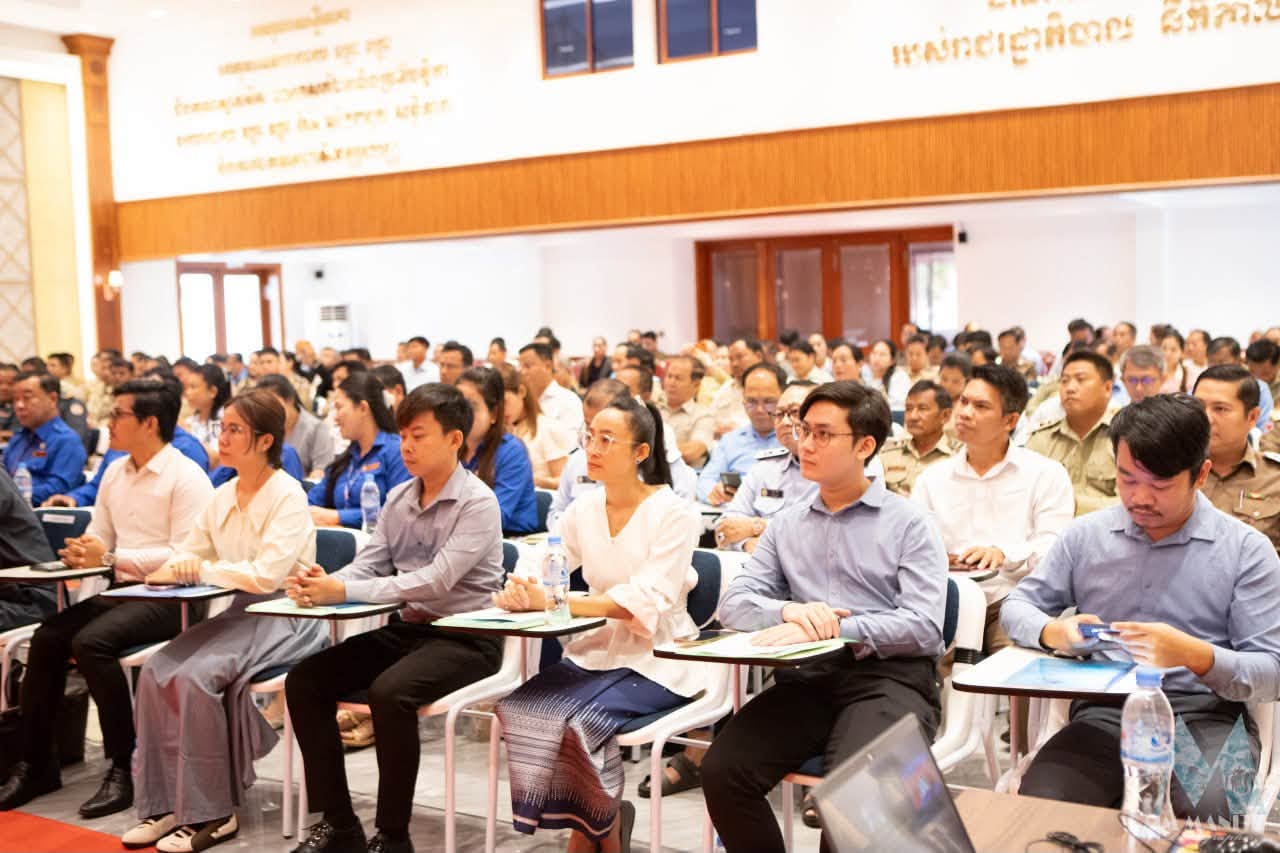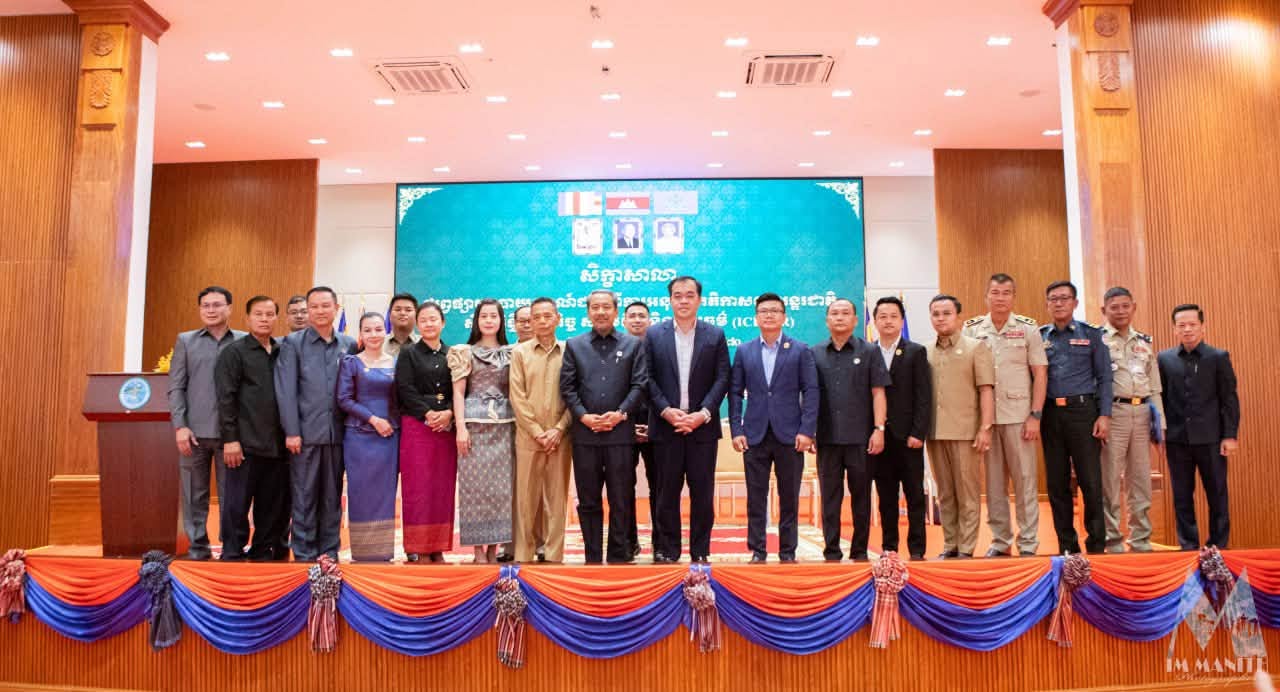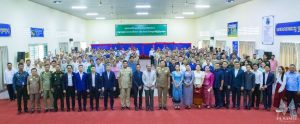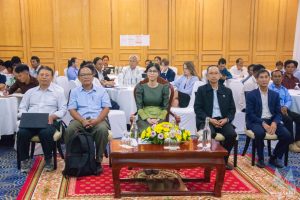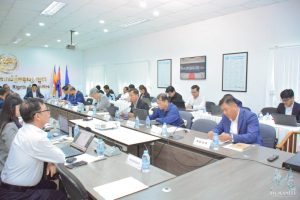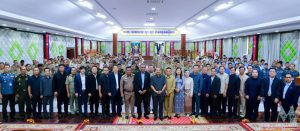
HE Keo Remy, Senior Minister, CHRC President, presided over the opening ceremony of a workshop in Koh Kong province to disseminate the national report on the implementation of the ICESCR.
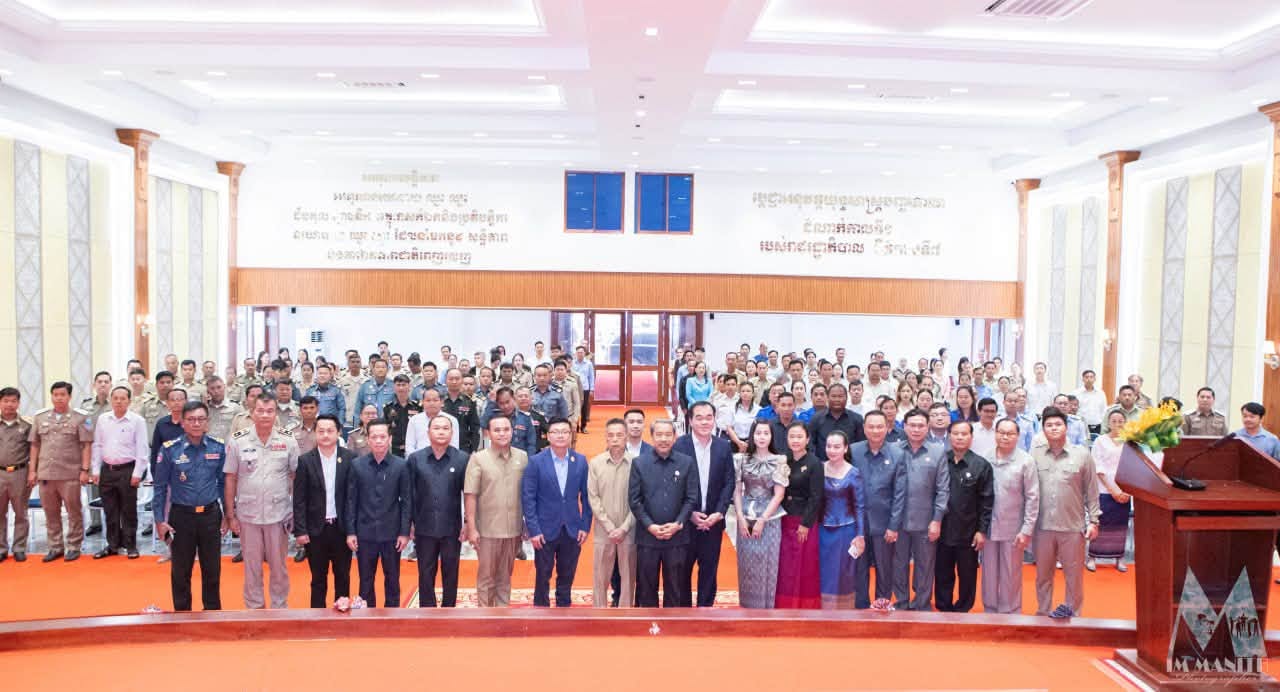 HE Keo Remy, Senior Minister, CHRC President, presided over the opening ceremony of a workshop in Koh Kong province to disseminate the national report on the implementation of the ICESCR.
HE Keo Remy, Senior Minister, CHRC President, presided over the opening ceremony of a workshop in Koh Kong province to disseminate the national report on the implementation of the ICESCR.
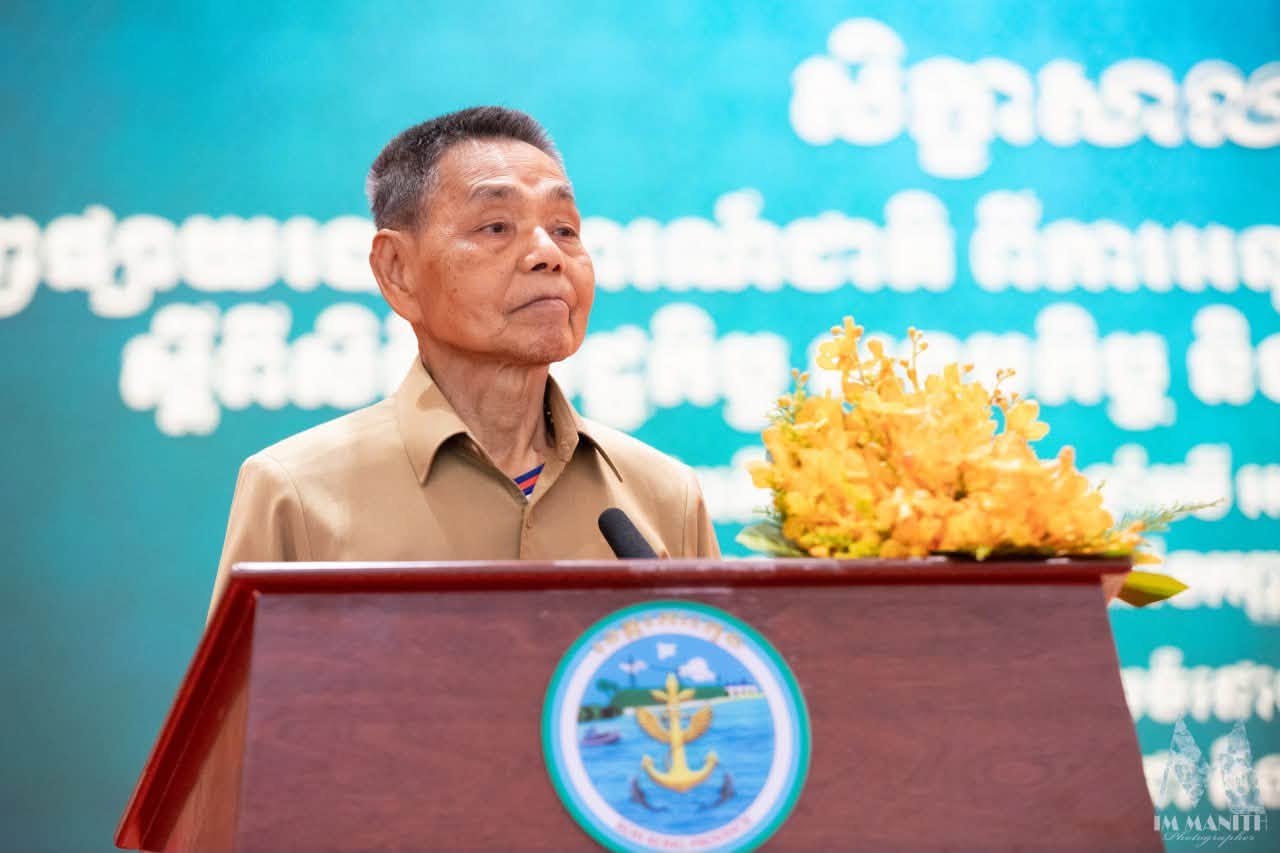
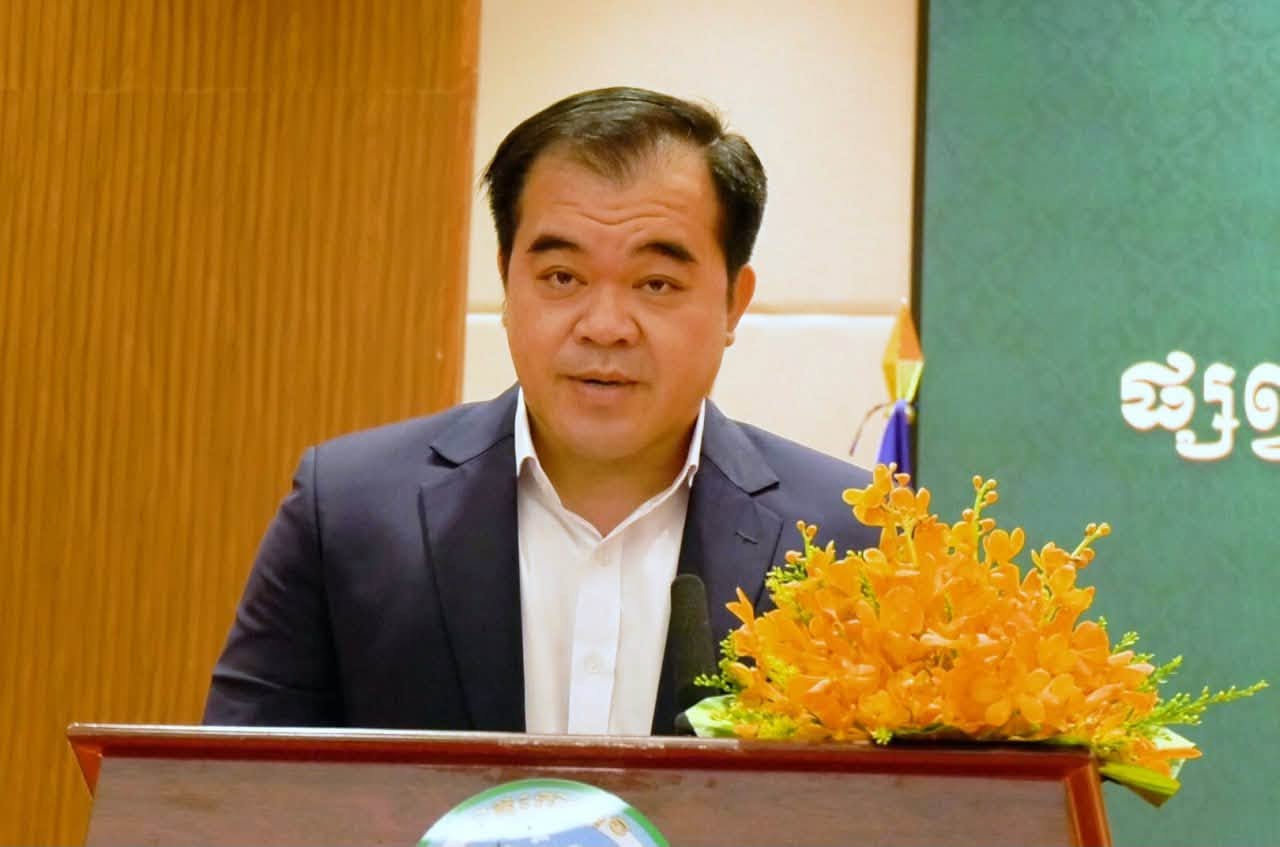
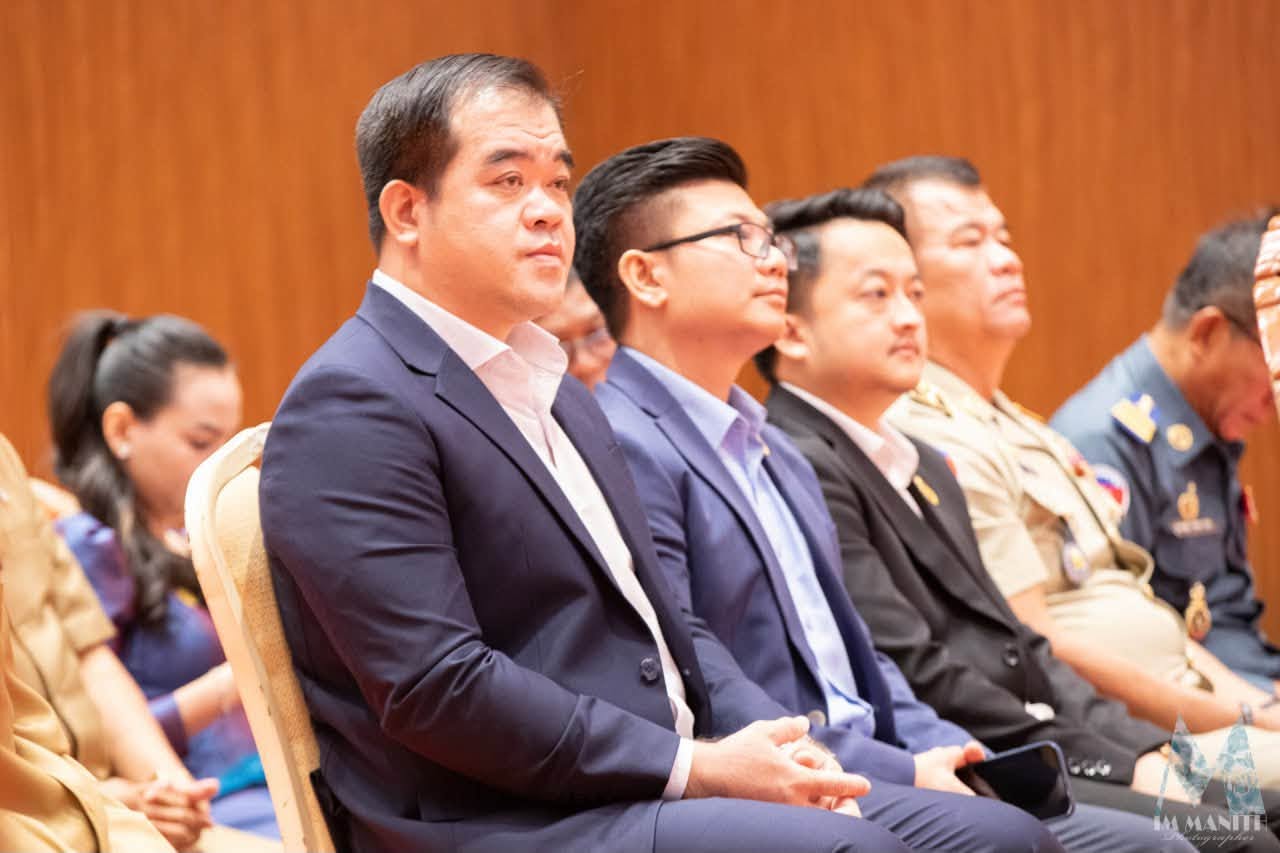
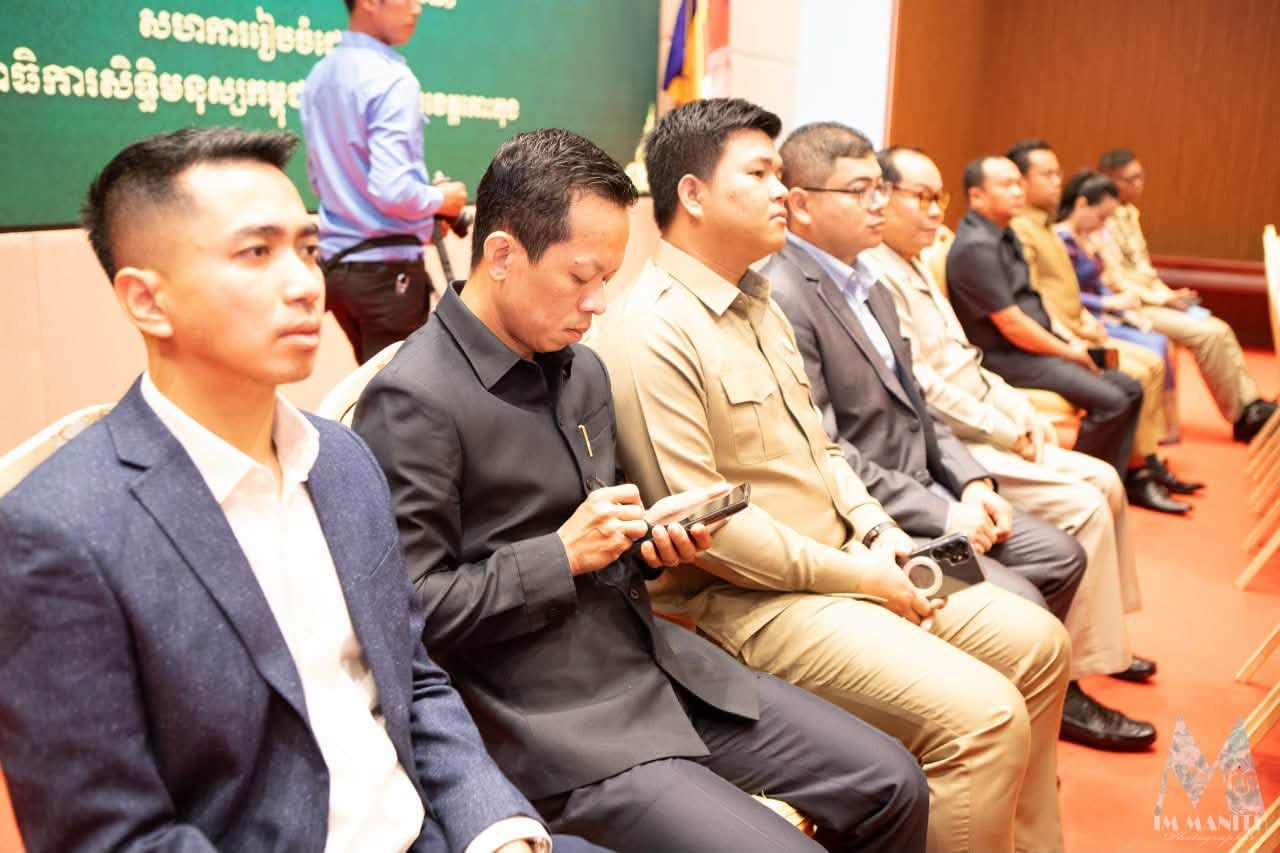
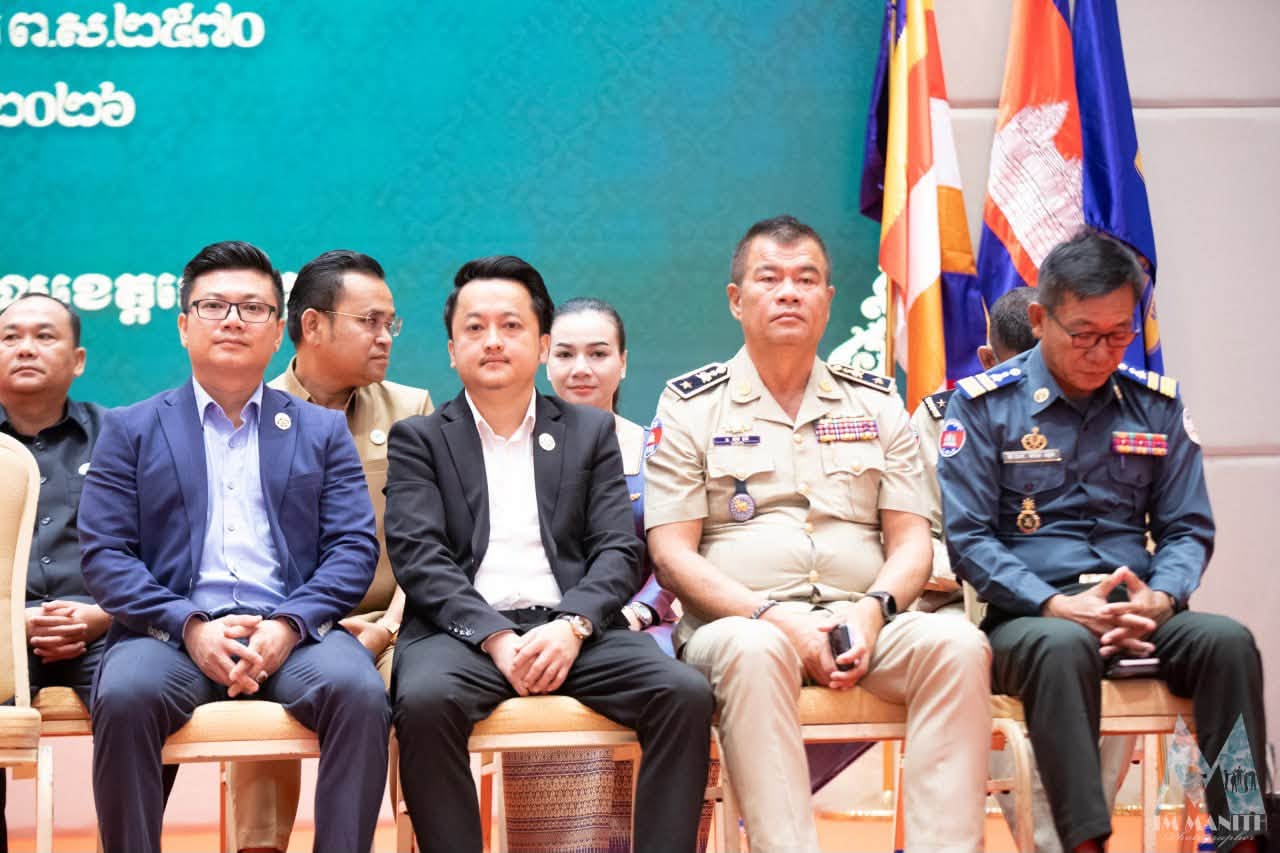
Koh Kong province: On Wednesday morning, 23 September 2026, HE Keo Remy, Senior Minister, President of the Cambodian Human Rights Committee (CHRC), presided over the opening ceremony of a workshop in Koh Kong province to disseminate the national report on the implementation of the International Covenant on Economic, Social and Cultural Rights (ICESCR). This workshop was jointly organised by the CHRC and the Koh Kong Provincial Administration. It was attended by HE Chheng Sovanda, Acting Governor of Koh Kong province, as well as representatives from the Provincial Court of First Instance, the Provincial Prosecutor’s Office, the Gendarmerie, the Provincial Administration, the provincial prison, various departments, district administrations, and other relevant institutions. More than 200 participants took part in the workshop, which aimed to increase understanding of the ICESCR, the contents of the national report, and the concluding observations (recommendations) for implementation.
In his remarks, he emphasised that the workshop seeks to raise awareness of the Royal Government’s efforts to promote and protect human rights in Cambodia and to demonstrate the country’s compliance with its international obligations. He clarified that presenting and defending national reports before international treaty committees should not be interpreted as Cambodia being summoned, questioned, or pressured over human rights issues. Instead, it is a responsibility of every state that has ratified an international treaty to prepare and present its reports and follow the reporting cycle established under each treaty.
He further emphasised Cambodia’s active contribution to the promotion of human rights and highlighted the country’s progress and significant achievements in this area. These include the abolition of the death penalty, ratification of eight of the nine core international human rights treaties, and regular submission of national reports to the relevant treaty bodies. He also pointed to Cambodia’s religious harmony as a model for other countries, along with continued progress in women’s rights, education, healthcare, social affairs, and politics.
Furthermore, the rights and freedoms of LGBTQIA+ people are promoted and protected, without discriminatory restrictions or penalties. He called on everyone to reject discrimination and mistreatment against the LGBTQ+ community, consistent with the Royal Government’s commitment to ensuring that no one is left behind or excluded from society. In addition, the Royal Government has decided to join France in supporting the draft resolution entitled “Towards Universal Decriminalization of Homosexuality.”
At the same time, he stressed that the Win-Win Policy of Samdech Akka Moha Sena Padei Techo Hun Sen, together with the continued leadership of Samdech Moha Borvor Thipadei Hun Manet, Prime Minister of the Kingdom of Cambodia, has contributed to progress in all areas. [These advances can be seen] in the economic, social, and cultural sectors, including increased life expectancy and the growing competitiveness of Cambodian youth, who continue to achieve success nationally and internationally. He also highlighted developments in sports, where Cambodian athletes have earned victories and medals in competitions at various levels.
On the same occasion, he pointed out the Cambodia–Thailand border dispute and highlighted the active role of the CHRC. Its efforts included submitting 60 petitions, statements, and protest letters; making 10 visits to military personnel and displaced communities; and conducting human rights missions in Geneva, Switzerland. He also emphasised the conflict’s serious effects on the rights and livelihoods of Cambodian civilians, especially displaced persons, noting that the Royal Government of Cambodia is actively striving to provide suitable shelter, social assistance, and legal protection in accordance with international human rights covenants and international humanitarian law.
He also praised Koh Kong province for its achievements in promoting development, improving residents’ living standards, strengthening physical infrastructure, and advancing various other sectors.
In closing, he called on all citizens to continue placing their trust in the Royal Government and to remain united in protecting and promoting human rights while addressing national challenges. He also expressed his sincere appreciation to the provincial leadership, civil servants, and all relevant institutions for their cooperation in ensuring the successful organisation of the workshop.